
TL;DR:
- Custom jewellery design creates unique pieces tailored to personal visions, guiding clients from concept to completion. The process includes consultation, sketching, CAD modelling, material selection, casting, polishing, and final approval, typically taking four to six weeks. Material choices and design complexity influence cost, durability, and timelines, while trends like sustainability and mixed metals shape popular styles in 2026.
Custom jewellery design is the process of creating a unique, personalised piece from initial concept through to final polish, built entirely around your vision. Known formally as bespoke jewellery design, it covers everything from engagement rings and wedding bands to one-off pendants and heirloom pieces. If you are in Bexleyheath and thinking about commissioning something special, the process is more accessible than you might expect. Blackwelljewellers has been helping customers across Kent do exactly this for over 20 years, and this guide walks you through every stage, from the first consultation to the moment you hold the finished piece.
What are the typical steps in the custom jewellery design process?
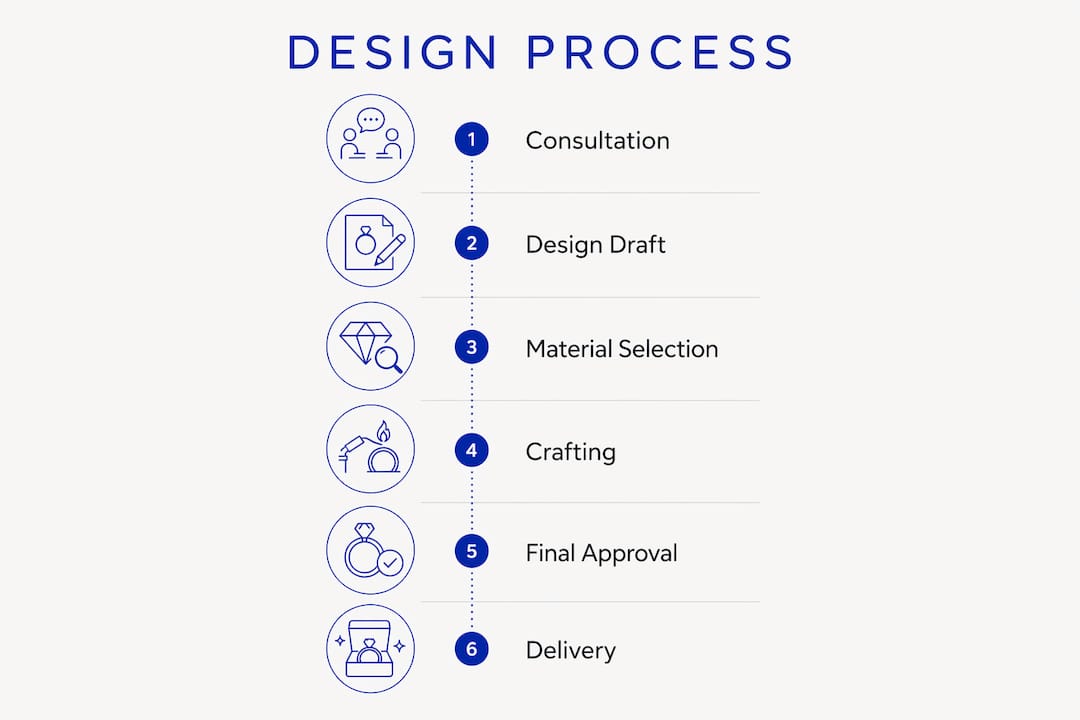
The bespoke jewellery design process follows a clear sequence. Understanding each stage helps you prepare properly and avoid nasty surprises along the way.
-
Initial consultation. This is where everything begins. Bespoke consultations typically last around 45 minutes and focus entirely on understanding what you want. You will discuss style preferences, budget, intended use, and any sentimental details you want incorporated. Come prepared with reference images, sketches, or even a rough description. The more specific you are, the better.
-
Sketching and concept development. Your jeweller translates your ideas into initial sketches. These are rough at first, then refined through feedback. This stage is collaborative. Do not be shy about saying something is not quite right.
-
CAD modelling. Once the sketch is approved, the design moves into 3D computer-aided design. CAD modelling allows fraction-of-a-millimetre accuracy, which means the prototype will match the approved design precisely. You will typically receive a rendered image or a printed wax model to review before anything is cast in metal.
-
Materials selection and gemstone sourcing. This stage often runs alongside CAD. You choose your metal, confirm your gemstones, and finalise any settings. For unique engagement rings in Bexleyheath, this is often the most exciting part of the whole process.
-
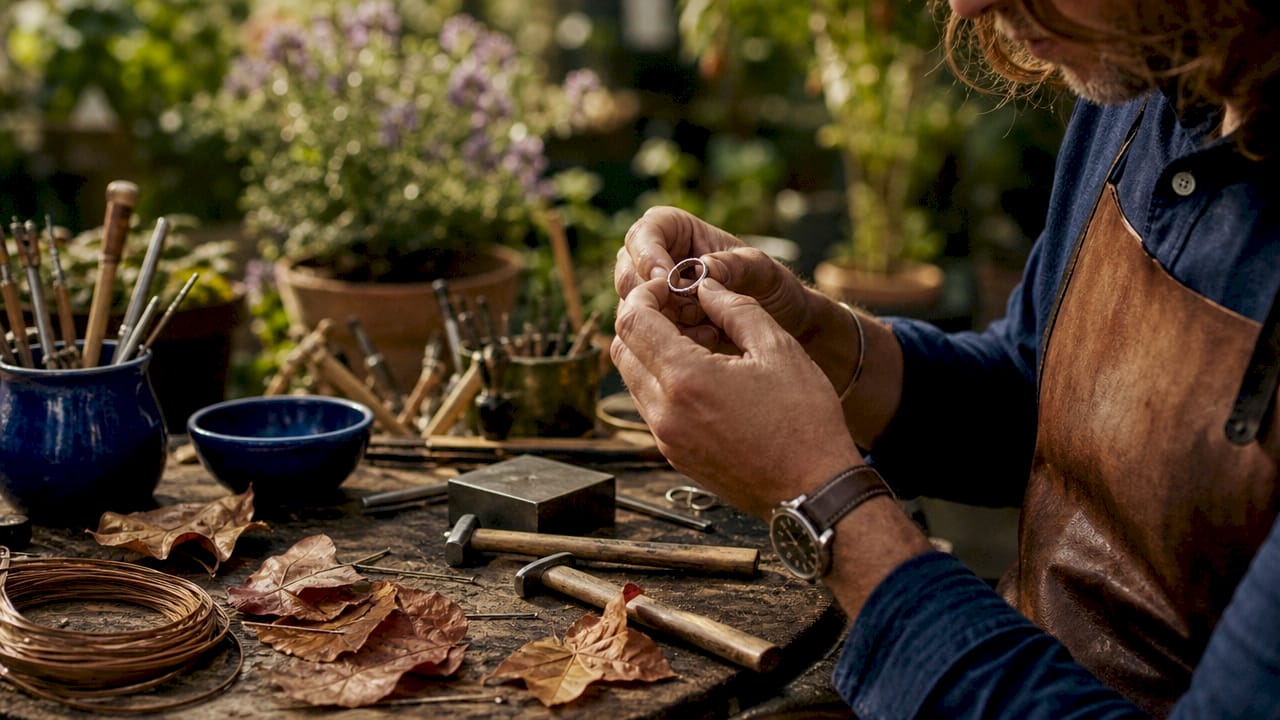
Casting and production. Lost-wax casting remains the industry standard for translating wax models into precious metal. The wax prototype is encased in plaster, the wax is burned out, and molten metal is poured in. It sounds dramatic. It is a bit.
-
Polishing and finishing. Final polishing uses multiple compounds, including Tripoli and Rouge, and sometimes rhodium plating for added scratch resistance and brightness. This stage transforms a raw casting into something genuinely beautiful.
-
Client approval and collection. You inspect the finished piece before it leaves the workshop. Any minor adjustments are made at this point.
Pro Tip: Bring a photo of your hand or wrist to your consultation if you are designing a ring or bracelet. Proportions that look great on paper can feel different in real life, and your jeweller will thank you for the reference.
For a deeper look at the bespoke design journey, Blackwelljewellers has a full walkthrough on their blog.
What factors should you consider when choosing materials and styles?
Material choice directly affects cost, durability, and maintenance requirements. Getting this decision right at the start saves a lot of regret later.
Here is what to weigh up:
-
Metal type. Gold comes in 9ct, 14ct, and 18ct options. Higher carat means more pure gold, a richer colour, and a higher price. 9ct gold is harder and more affordable. 18ct gold is softer but more vibrant. Platinum is the most durable and the most expensive. Sterling silver suits everyday wear but scratches more easily than gold or platinum.
-
Gemstone type. Natural gemstones carry rarity value and a unique character. Lab-grown stones are chemically identical to natural ones but cost significantly less. For ethical diamond options, Blackwelljewellers stocks both. The choice is personal, but knowing the difference matters before you commit.
-
Style direction. Minimalist designs age well and suit everyday wear. Vintage revival styles, with milgrain edges and filigree detail, suit people who want something with character. Statement pieces work brilliantly for special occasions but may feel impractical daily.
-
Durability and lifestyle. A nurse who washes her hands constantly needs a different ring setting to a graphic designer who sits at a desk. Prong settings catch on things. Bezel settings protect stones better. Think about your actual life, not just the occasion.
-
Budget realism. Complexity adds cost. A simple solitaire ring costs far less than a pavé-set halo design with a rare coloured stone. Be honest with your jeweller about your budget from the start. They will find the best solution within it.
Pro Tip: If you love the look of platinum but not the price, ask about palladium or white gold with rhodium plating. The visual result is nearly identical, and the saving can be substantial.
For a clear comparison of your options before you commit, the custom vs ready-made guide on the Blackwelljewellers blog is worth reading.
How long does the custom jewellery design process take in Bexleyheath?
Timelines are one of the most common sources of stress in bespoke commissions. The good news is that they are largely predictable.
Standard custom jewellery commissions take 4–6 weeks from confirmed design to finished piece. Complex designs or pieces requiring rare gemstones extend that to 6–8 weeks. If you are commissioning a piece for a specific date, such as an anniversary or proposal, build in extra time as a buffer.
Several factors affect how quickly your piece moves through production:
- Design complexity. More intricate settings and unusual shapes take longer to model, cast, and finish.
- Gemstone availability. Common stones like round brilliant diamonds are easy to source. Rare cuts or coloured stones may need to be ordered from specialist suppliers.
- Client response times. Clear, early communication with your jeweller prevents delays at every stage. If your jeweller sends you a CAD render for approval and you take two weeks to respond, that is two weeks added to your timeline.
- Workshop capacity. Local jewellers in Bexleyheath handle multiple commissions simultaneously. Booking your consultation early, especially before peak periods like december and february, gives your piece priority in the queue.
The most avoidable delays come from indecision. Clients who arrive with a clear brief and respond promptly to approval requests consistently receive their pieces on time.
What are the current custom jewellery trends in Bexleyheath for 2026?
Bespoke design is personal by definition, but trends still shape what people ask for. Knowing what is popular helps you decide whether to follow the current wave or deliberately go against it.
Local trends for 2026 include sustainability, mixed metals, and personal symbolic designs. Here is how those play out in practice:
- Minimalist designs. Clean lines, simple settings, and understated elegance are consistently popular. A thin band with a single ethically sourced stone is the most requested style at Bexleyheath jewellers right now.
- Vintage revival. Art Deco geometry and Edwardian floral motifs are back in a big way. Customers are bringing in family heirlooms and asking for modern interpretations of the original style.
- Sustainable and ethical materials. Lab-grown diamonds and recycled gold are no longer niche requests. Customers actively ask about provenance, and jewellers who can answer that question clearly win the commission.
- Mixed metals. Yellow gold paired with white gold or platinum in the same piece creates contrast and visual interest. It also solves the “I wear both” problem that many customers face.
- Meaningful symbols. Birthstones, coordinates, initials, and family crests are all appearing in custom briefs. People want their jewellery to tell a story, not just look good.
Trends are useful as a starting point. The best bespoke pieces, though, ignore trends entirely and focus on what genuinely suits the person wearing them. That is the whole point of going bespoke in the first place. For more on what is shaping design choices this year, the jewellery trends guide from Blackwelljewellers covers it well.
Key takeaways
Custom jewellery design in Bexleyheath follows a structured process, and knowing the stages, materials, and timelines before your first consultation puts you firmly in control of the outcome.
| Point | Details |
|---|---|
| Consultation is the foundation | A 45-minute brief sets the entire direction; arrive with clear ideas and reference images. |
| CAD and lost-wax casting are standard | These two techniques deliver precision and quality across all bespoke commissions. |
| Standard timelines run 4–6 weeks | Complex designs or rare stones extend this to 6–8 weeks; book early for key dates. |
| Material choice drives cost and durability | Metal type, gemstone origin, and setting style all affect price and long-term wearability. |
| Trends inform but should not dictate | 2026 favourites include minimalism, mixed metals, and ethical sourcing, but personal meaning wins every time. |
What I have learned from watching people commission bespoke jewellery
Here is something most articles will not tell you. The clients who end up happiest with their custom piece are almost never the ones who walked in with the most elaborate vision. They are the ones who walked in with the most honest one.
I have seen people spend weeks obsessing over a design they found on social media, only to realise halfway through the CAD stage that it does not suit their hand, their lifestyle, or their actual taste. The reference image was aspirational. The reality was something else entirely.
The clients who get it right are the ones who tell their jeweller the truth. “I want something I can wear every day without worrying about it.” “I want it to look expensive but not flashy.” “My grandmother’s ring had a detail I loved and I want to carry that forward.” Those briefs produce brilliant results because they are grounded in real life.
The other thing people consistently underestimate is the value of patience. Bespoke jewellery is handcrafted. It takes time. Rushing the process, skipping the CAD approval stage, or pushing for a faster turnaround rarely ends well. The piece you are commissioning will likely outlast most things you own. Give it the time it deserves.
If you are unsure what questions to ask your jeweller before you start, the questions to ask your designer guide is genuinely useful preparation.
— James
Blackwelljewellers and bespoke design in Bexleyheath
Blackwelljewellers has been crafting and commissioning bespoke pieces for customers across Kent for over 20 years. The Bexleyheath store offers in-person consultations where you can discuss your brief, handle metal samples, and see finished examples of previous commissions.

Whether you are after a unique engagement ring, a personalised gift, or a piece that carries real sentimental meaning, the team at Blackwelljewellers guides you through every stage. Their bespoke jewellery service page outlines the full process and gives you a clear starting point for your commission. You can also browse their local jewellers guide to understand what to look for when choosing who to trust with your brief.
FAQ
How long does a bespoke jewellery commission take?
Standard commissions take 4–6 weeks. Complex designs or pieces requiring rare gemstones typically take 6–8 weeks from confirmed brief to finished piece.
What happens at the first consultation?
The initial consultation lasts around 45 minutes and covers your style preferences, budget, and any specific details you want included. Bringing reference images or sketches helps your jeweller understand your vision quickly.
Is lab-grown the same as natural diamond?
Lab-grown diamonds are chemically and physically identical to natural diamonds. The difference is origin and price. Lab-grown stones cost significantly less and are a popular ethical choice for bespoke commissions in 2026.
What metal is best for everyday wear?
Platinum is the most durable option for daily wear. 18ct gold is a strong second choice. Sterling silver scratches more easily and suits occasional wear better than daily use.
Can I incorporate an existing stone or heirloom into a new design?
Yes. Many bespoke commissions in Bexleyheath involve resetting existing stones or incorporating elements from heirloom pieces. Discuss this at your initial consultation so your jeweller can assess the stone’s condition and suitability for the new setting.