

TL;DR:
- Handmade jewellery is crafted through a structured, artisan-led process that transforms personal ideas into one-of-a-kind objects. The design involves multiple stages, including consultation, sketching, material selection, prototyping, and handcrafting, often taking six to eight weeks. Collaborating with a Maidstone artisan ensures a personalized piece with high craftsmanship, lasting value, and meaningful connection.
Handmade jewellery is defined as a piece crafted by hand through a structured, artisan-led process that transforms a personal idea into a wearable, one-of-a-kind object. The industry term for commissioning such a piece is bespoke jewellery design, and it covers everything from the first sketch to the final polish. A striking 89% of consumers prioritise craftsmanship quality when buying handmade jewellery. That figure tells you something important: people are not just buying a pretty object, they are buying the skill and care behind it. Maidstone has a genuine local tradition of artisan jewellery making, with established makers offering custom commissions, remodelling, and repairs. Blackwelljewellers is one such name, with over 20 years of experience bringing bespoke jewellery ideas to life right here in Kent.
What tools, materials, and skills go into handmade jewellery?
The materials you choose define the character of your finished piece. Precious metals are the backbone of most bespoke work. Gold (yellow, white, and rose), sterling silver, and platinum are the most common choices, each with distinct properties.
| Material | Key property | Typical use |
|---|---|---|
| Sterling silver | Affordable, workable | Everyday rings, pendants |
| 9ct gold | Durable, cost-effective | Engagement rings, earrings |
| 18ct gold | Rich colour, prestige | Wedding bands, statement pieces |
| Platinum | Extremely durable | High-end settings, diamond rings |
| Recycled metals | Ethical, lower footprint | Eco-conscious commissions |
Recycled metals are worth a mention here. Using reclaimed gold or silver reduces the environmental cost of mining and is increasingly popular with clients who care about where their materials come from.
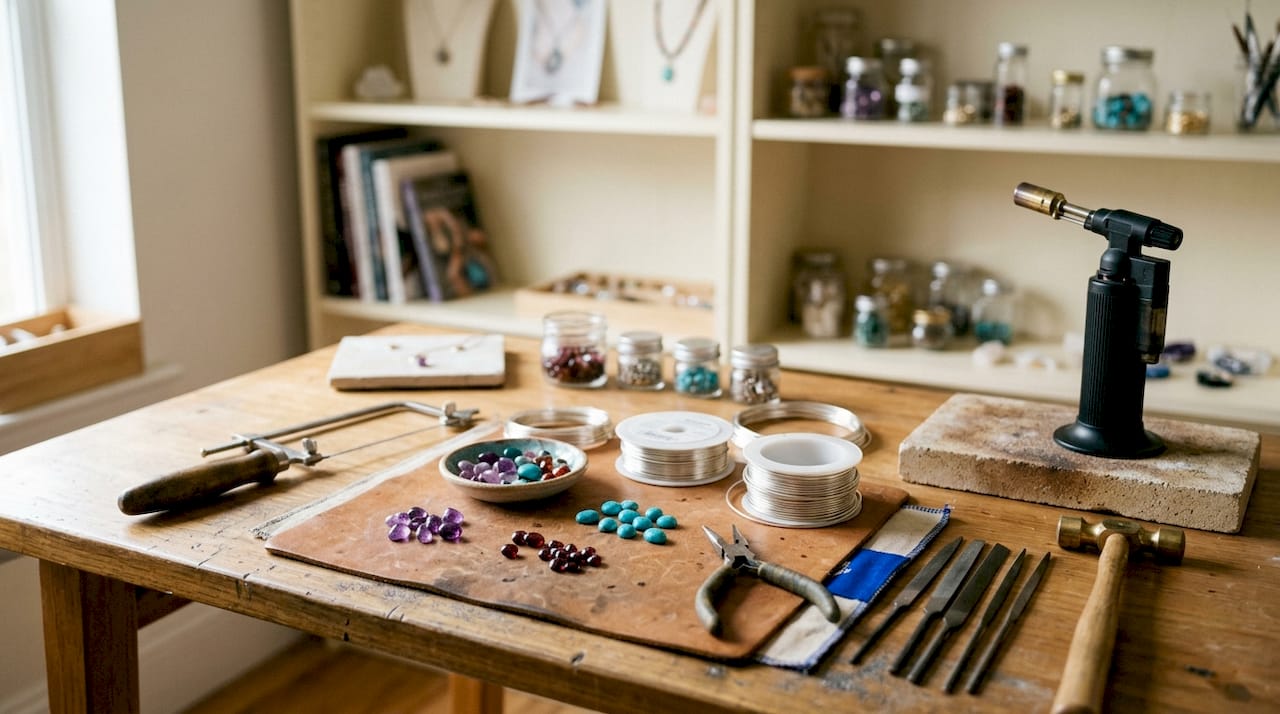
Beyond metals, you need gemstones, solder, and finishing compounds. Tools range from basic jeweller’s files and pliers to more technical kit like a flex shaft drill, rolling mill, and pickle pot (that last one cleans oxidisation off metal, not cucumbers). For design work, artisans now use 3D CAD software to produce digital renderings before a single gram of metal is touched.
The skills required are genuinely varied. A good jeweller needs design creativity, an understanding of structural integrity, and the patience to execute finishing techniques like polishing and stone setting by hand. Wearability matters too. A ring with a very high stone setting might look spectacular in a sketch but catch on everything in daily life.
Pro Tip: Ask your artisan to show you a 3D rendering or wax prototype before any metal is cast. Seeing the piece in three dimensions catches problems that a flat sketch simply cannot reveal.
How does the handmade jewellery design process work in Maidstone?
The bespoke design process is an iterative dialogue, not a single transaction. Here is how it typically unfolds when you work with a Maidstone jeweller.
-
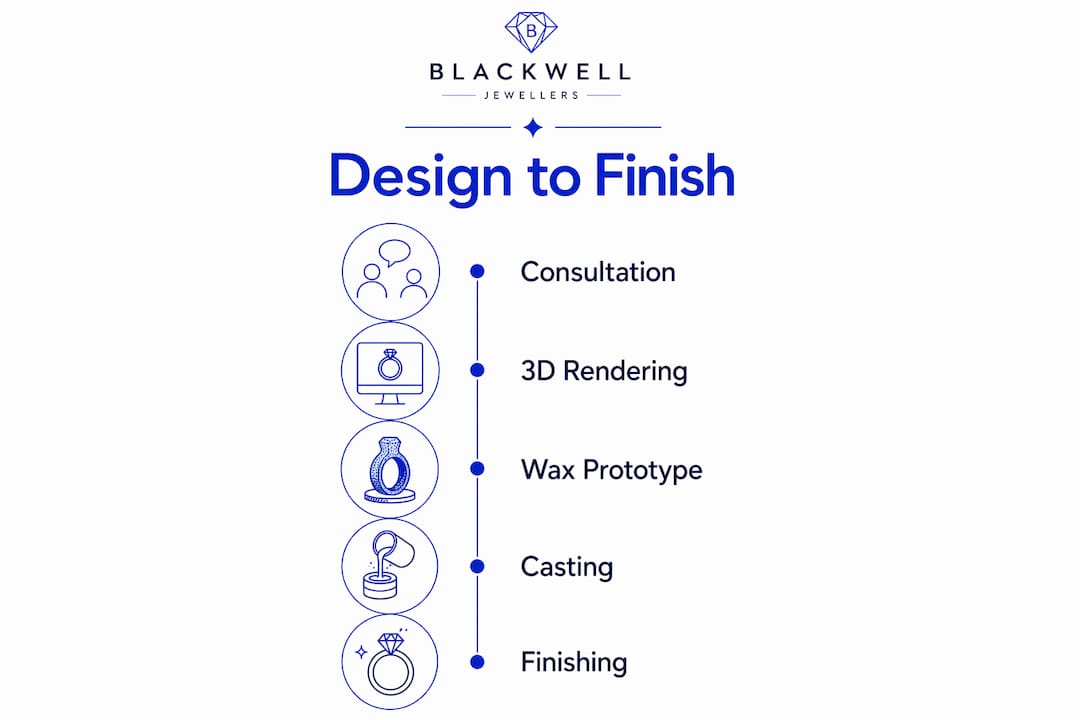
Initial consultation. You share your inspiration, whether that is a photograph, a family heirloom, a rough sketch on a napkin, or just a feeling you want to capture. The artisan listens and asks questions about your lifestyle, budget, and how you plan to wear the piece.
-
Collaborative design phase. The jeweller produces hand sketches and, increasingly, 3D CAD renderings. You review these and give feedback. This stage can involve two or three rounds of revisions. Do not rush it.
-
Material selection and budgeting. Once the design is agreed, you choose your metal and stones. Direct communication with your craftsman at this stage means you can make real-time decisions about substitutions that keep the piece within budget without compromising the design.
-
Deposit and commitment. Bespoke projects require a deposit before work begins. This is standard practice across the industry and covers the cost of materials and design time. It is not a red flag; it is how professional artisans protect their work.
-
Wax modelling and prototyping. A wax model is carved or 3D printed to the exact dimensions of your design. You can hold it, try it on, and request final tweaks before anything is cast in metal.
-
Casting and handcrafting. The wax model is used in a lost-wax casting process. Molten metal fills the mould, and once cooled, the piece is removed and refined by hand. Soldering, filing, and stone setting all happen at this stage.
-
Finishing and quality checks. The piece is polished, inspected, and hallmarked. Prototyping and quality control at this stage are what separate handmade jewellery from mass-produced alternatives. They are the reason a bespoke piece can become a family heirloom.
-
Delivery. A typical end-to-end bespoke project takes 6–8 weeks from first consultation to collection. Plan around that timeline, especially if the piece is for a specific occasion.
Pro Tip: Book your consultation at least ten weeks before you need the finished piece. That buffer gives you room for revisions without stress.
How to collaborate effectively with Maidstone jewellery artisans
The biggest mistake clients make is treating the artisan like an order-taker rather than a creative partner. Collaborative iterative design conversations are what produce pieces with both personal meaning and technical viability. The artisan brings craft knowledge; you bring the vision. Neither works well without the other.
Here is what good collaboration looks like in practice.
Do:
- Bring reference images, even if they are not jewellery. A colour palette, a texture, a piece of architecture. Anything that communicates the feeling you want.
- Ask questions about wearability. If your artisan suggests a lower stone setting or a thicker band, there is usually a structural reason behind it.
- Be honest about your budget from the start. Bespoke jewellery is often competitively priced because there are no intermediary markups between maker and buyer. Knowing your budget lets the artisan design to it rather than design past it.
- Give specific feedback during revisions. “I love the shape but want the band narrower” is useful. “I am not sure about it” is not.
Do not:
- Ignore wearability advice. Clear communication about wearability adjustments directly impacts how long the finished piece lasts and how satisfied you feel wearing it.
- Assume bespoke means unaffordable. Working directly with a local artisan in Maidstone cuts out the retail chain entirely.
- Change the brief significantly after the wax model stage. Major design changes at that point cost time and money.
One persistent myth worth busting: bespoke jewellery is not exclusively for luxury budgets. Clients interacting directly with artisans gain flexible material and budget choices that mass-market retail simply cannot offer.
Pro Tip: Take notes during your consultation. Artisans cover a lot of ground quickly, and having a written record of agreed details protects both parties.
Common mistakes when creating handmade jewellery and how to avoid them
Underestimating the timeline is the most common error. People hear “six to eight weeks” and think that is a worst case. It is not. It is the standard. Factor in your own decision-making time on top of that.
Ignoring structural advice is the second big one. You might fall in love with a design that has a very delicate setting or an unusually thin shank. Your artisan will flag this. Listen to them. A piece that breaks within a year is nobody’s idea of a good investment.
Choosing materials based purely on aesthetics without considering your lifestyle is another trap. Platinum is beautiful and incredibly durable, but it does develop a patina over time. Rose gold is warm and fashionable, but it contains copper alloys that some people find irritating against skin. These are things worth discussing before you commit.
Skipping the prototype stage to save time is a false economy. The wax model exists precisely to catch problems before they become expensive metal problems.
“Handmade standards entail exhaustive craftsmanship stages, ensuring pieces can become family heirlooms, not just fleeting trends.” The quality checks built into the bespoke process are not bureaucratic box-ticking. They are the reason a handmade piece outlasts anything you will find in a high-street chain.
Maidstone jewellery makers with established track records, including those who have been operating since 2004, build these checks into every commission as standard. That experience matters enormously when you are trusting someone with a significant personal and financial investment.
Key takeaways
Handmade jewellery in Maidstone succeeds when you combine clear personal vision with an artisan’s technical expertise across a structured 6–8 week process.
| Point | Details |
|---|---|
| Craftsmanship drives value | 89% of consumers prioritise craftsmanship, so choosing a skilled local artisan is the single most important decision. |
| Process takes 6–8 weeks | Plan your timeline early and book consultations at least ten weeks before any deadline. |
| Prototyping prevents costly errors | A wax model lets you approve the design in three dimensions before metal is cast. |
| Bespoke is not always expensive | No intermediary markups mean direct artisan pricing is often competitive with mass-produced retail. |
| Communication determines quality | Clear, specific feedback at every stage directly affects the durability and satisfaction of the finished piece. |
Why handmade jewellery is worth every conversation
I have spoken with a lot of people who came to bespoke jewellery nervous. They worried it would be too expensive, too complicated, or that they would not know what to say in a consultation. Almost every single one of them came away from the process saying it was one of the most satisfying things they had done.
Here is what I think most articles get wrong about this topic. They focus heavily on the technical process and not enough on the relationship. The process is important, yes. But the reason a handmade piece feels different from anything you buy off a shelf is because it carries a conversation inside it. Every decision about the metal, the setting, the finish, was made by you and the person who made it, together.
Maidstone has a real local culture of craft. That is not marketing language. It is the reason artisans here have been running commissions and repairs for decades, building relationships with clients who come back for anniversaries, christenings, and milestones. The piece you commission today could be the one your grandchildren argue over one day. That is not something a factory in a warehouse can give you.
My honest advice: do not overthink the first consultation. Go in with a feeling, a photograph, a rough idea. The artisan’s job is to turn that into something real. Your job is just to show up and be honest about what you want.
— James
Bespoke jewellery in Maidstone with Blackwelljewellers
Blackwelljewellers has been helping Maidstone customers bring their jewellery ideas to life for over 20 years. The team offers bespoke commissions in Maidstone that cover every stage, from initial consultation and 3D design through to handcrafting and final quality checks. You can walk into the Maidstone store, share your idea, and leave with a clear plan and timeline.

If you are not ready to commission something new, Blackwelljewellers also carries a carefully authenticated range of second-hand jewellery in Maidstone, each piece inspected, hallmarked, and restored before sale. Whether you want something made from scratch or a pre-owned piece with its own history, the expertise is there in one place.
FAQ
How long does a bespoke jewellery commission take?
A typical bespoke jewellery project takes 6–8 weeks from first consultation to finished piece. Allow extra time if you anticipate multiple design revisions.
Is handmade jewellery more expensive than shop-bought?
Not necessarily. Bespoke jewellery is often competitively priced because there are no intermediary markups between the artisan and the buyer. Your budget shapes the materials and complexity of the design.
What should I bring to a first jewellery consultation?
Bring reference images, a rough budget figure, and any existing pieces you want the new design to complement. Even a vague idea gives the artisan something to work with.
Do I need to pay a deposit for a bespoke commission?
Yes. Deposits are standard practice in bespoke jewellery and cover materials and design time. They are a sign of a professional operation, not a cause for concern.
Can Maidstone jewellers work with my own gold or stones?
Many established Maidstone jewellery makers will incorporate client-supplied metals or gemstones into a new commission. Discuss this at your initial consultation so the artisan can assess the material’s suitability.