
When you picture a sapphire ring, you likely imagine a deep blue gemstone. But sapphires come in pink, yellow, green, violet and even rare pinkish-orange shades. Understanding sapphire authenticity, durability and provenance empowers you to choose confidently, whether you’re drawn to new or pre-owned options. This guide walks you through sapphire composition, identifying genuine stones, UK hallmarking standards, and practical buying tips tailored for engaged couples navigating the UK market.
Table of Contents
- Understanding Sapphire Rings: Composition And Durability
- Authenticating Sapphire Rings: Natural Vs Synthetic Vs Imitation
- Understanding Sapphire Rings: Origins And Rarity
- Ensuring Authenticity And Craftsmanship In Pre-Owned Sapphire Rings
- Pre-Owned Sapphire Rings: Quality Assurance And Sustainable Choices
- Common Misconceptions About Sapphire Rings
- Practical Tips For UK Couples Buying Sapphire Rings
- Explore Authentic Pre-Owned Sapphire Rings At Blackwell Jewellers
- Frequently Asked Questions
Key takeaways
| Point | Details |
|---|---|
| Exceptional durability | Sapphires rank 9 on the Mohs hardness scale, making them highly resistant to scratching and ideal for everyday engagement ring wear. |
| Natural inclusions confirm authenticity | Genuine sapphires typically contain visible inclusions under magnification, while synthetic stones are usually flawless. |
| UK hallmarking ensures metal purity | Hallmarks certify precious metal authenticity and quality, providing legal assurance for ring buyers. |
| Pre-owned options offer verified value | Authenticated pre-owned sapphire rings combine sustainability with affordability when inspected and restored by experts. |
| Multiple colours beyond blue | Sapphires exist in numerous natural colours, and common myths often mislead buyers about treatments and authenticity. |
Understanding sapphire rings: composition and durability
Sapphires are the precious gemstone variety of corundum, composed primarily of aluminium oxide. They rank 9 on the Mohs hardness scale, second only to diamond, which makes them exceptionally durable for daily wear. This toughness resists scratching and chipping during everyday activities like washing hands, cooking or exercising.
Their durability makes sapphires an excellent choice for engagement rings that couples wear continuously. Unlike softer gemstones that can degrade quickly, sapphires maintain their lustre and structural integrity over decades. This longevity translates to lasting value and fewer maintenance concerns.
Sapphires come in numerous natural colours:
- Classic blue in various shades from light cornflower to deep royal
- Pink ranging from pastel to vivid hot pink
- Yellow from pale lemon to rich golden tones
- Green in subtle olive to vibrant forest hues
- Violet and purple shades
- Colourless sapphires resembling diamonds
- Rare pinkish-orange padparadscha, highly prized and valuable
This colour diversity allows couples to personalise their engagement ring beyond traditional blue, reflecting individual style whilst benefiting from sapphire’s renowned strength.
Authenticating sapphire rings: natural vs synthetic vs imitation
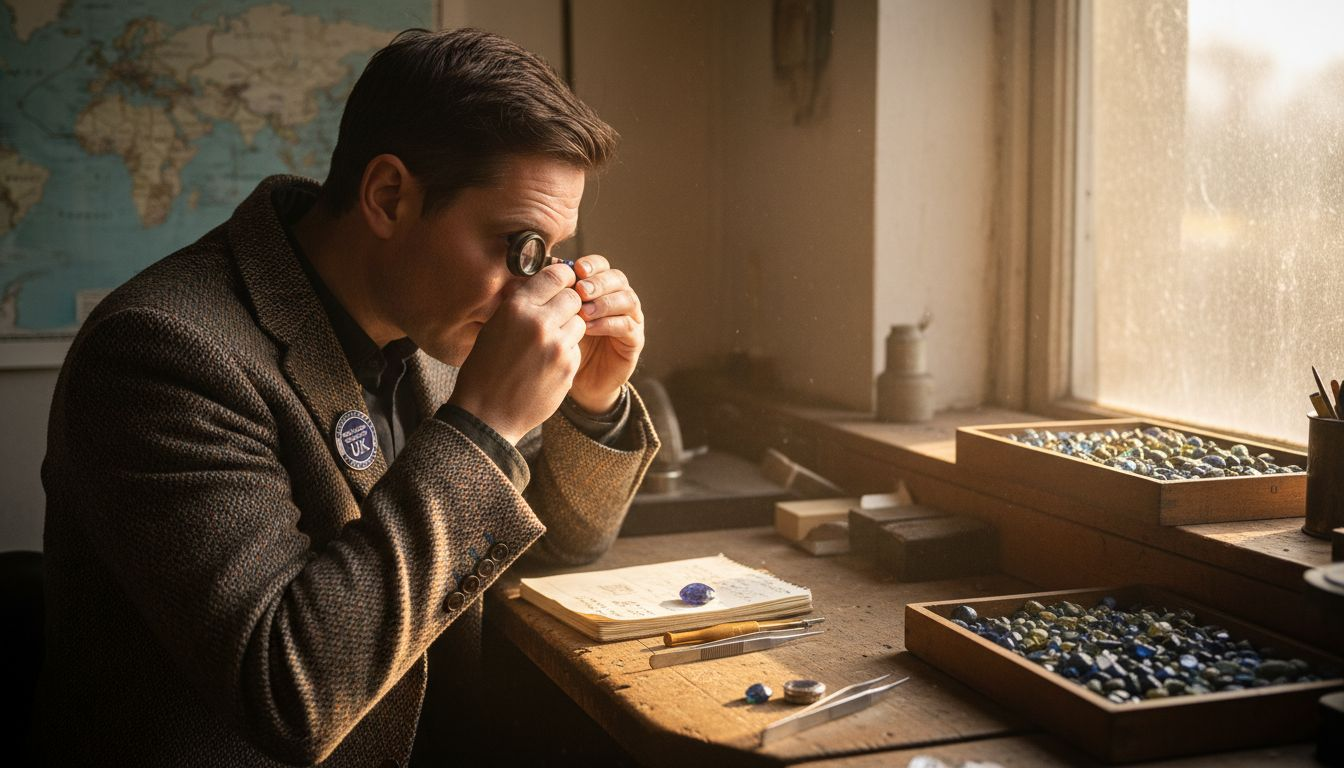
Understanding the differences between natural, synthetic and imitation sapphires helps you make informed purchasing decisions. Natural sapphires typically contain inclusions or natural imperfections visible with a jeweller’s loupe, distinguishing them from synthetic stones. These inclusions are tiny flaws formed during the gemstone’s natural growth over millions of years.
Synthetic sapphires are lab-created stones with identical chemical and physical properties to natural sapphires. They tend to be flawless or nearly flawless under magnification, making them visually perfect. Synthetic sapphires are more affordable than natural ones but remain genuine sapphires, not imitations.
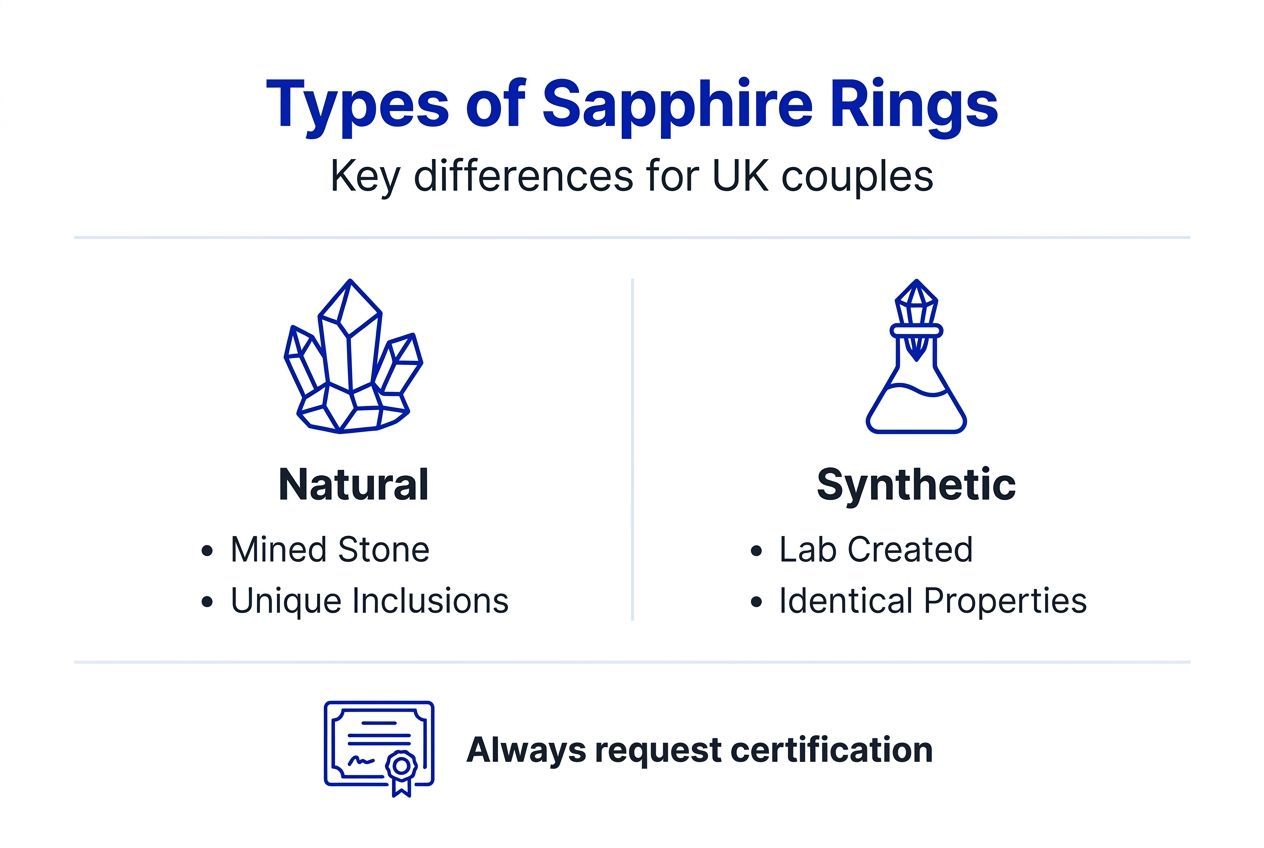
Imitation sapphires are made from glass or other materials that lack the hardness and durability of true corundum. They show distinct defects like bubbles, swirl marks or uneven colour distribution. Imitations scratch easily and chip under normal wear, making them unsuitable for long-term engagement rings.
Key authentication factors:
- Inclusions: Natural sapphires usually have visible internal characteristics; synthetic stones are typically flawless
- Hardness: True sapphires resist scratching from most materials; imitations scratch easily
- Colour distribution: Natural stones may show colour banding; glass imitations often have swirls or bubbles
- Weight: Sapphires feel heavier than glass due to higher density
Most natural sapphires on the market undergo heat treatment to enhance colour and clarity. This process is widely accepted in the jewellery industry and does not diminish a sapphire’s status as natural. Certification from a gemological laboratory confirms authenticity and discloses any treatments applied.
| Type | Composition | Inclusions | Durability | Price Range |
|---|---|---|---|---|
| Natural | Corundum (aluminium oxide) | Usually present | Hardness 9 | High |
| Synthetic | Lab-grown corundum | Typically flawless | Hardness 9 | Moderate |
| Imitation | Glass or other materials | Bubbles, swirls | Low hardness | Low |
Visual inspection and magnification are practical initial steps before purchase. You can learn techniques to identify fake jewellery and apply similar principles to gemstone authentication.
Pro Tip: Always request certification and magnified images showing any inclusions before purchasing to verify authenticity and treatment disclosure.
Understanding sapphire rings: origins and rarity
The geographic origin of sapphires significantly influences their colour characteristics, rarity and market value. Major sapphire sources include Sri Lanka, Myanmar, Thailand and Australia, each producing stones with distinct qualities. Understanding origin helps you assess authenticity, rarity and ethical sourcing when selecting your ring.
Sri Lankan sapphires are renowned for their bright cornflower blue shades and excellent clarity. The island’s gem deposits have supplied the market for centuries, producing stones with exceptional transparency. Sri Lanka also yields the rare padparadscha sapphire, a pinkish-orange variety highly valued by collectors and couples seeking unique engagement rings.
Myanmar sapphires often display a deeper, velvety blue with higher saturation. These stones command premium prices due to their rich colour and historical rarity. Myanmar’s gem-producing regions have been sources of royal jewels throughout history.
Key origin considerations:
- Sri Lanka: Bright blue, excellent clarity, padparadscha variety
- Myanmar: Deep velvety blue, high saturation, rare
- Thailand: Heat treatment common, darker tones
- Australia: Darker blue to greenish tones, affordable
- Madagascar: Emerging source, wide colour range
Origin affects market price and desirability, with certain sources commanding premiums for specific colour profiles. Knowing a sapphire’s origin provides context for its characteristics and helps verify authenticity through documentation and certification. Ethical sourcing has become increasingly important, with buyers seeking transparency about mining conditions and environmental impact.
Ensuring authenticity and craftsmanship in pre-owned sapphire rings
UK hallmarking and gemological certification provide essential guarantees for pre-owned sapphire ring purchases. Hallmarks certify the purity of precious metals like gold, silver and platinum, offering legal assurance that the ring meets UK standards. Gemological tests including refractive index measurements and spectroscopy confirm sapphire identity and any treatments applied.
Pre-owned sapphire rings should undergo expert inspection for condition, authenticity and wear before you purchase. Professional jewellers examine the stone’s mounting security, prong integrity and overall structural soundness. Certification from recognised laboratories like GIA or IGI adds confidence by documenting the sapphire’s characteristics and treatment history.
Refurbishment and professional cleaning restore both structural and aesthetic quality to pre-owned rings. Expert jewellers repair worn settings, re-tip prongs, polish metal surfaces and clean gemstones to restore brilliance. This restoration ensures the ring is both beautiful and safe for daily wear.
Step-by-step verification process:
- Check for UK hallmarks stamped inside the band, confirming metal purity and assay office registration
- Request gemological certification documenting sapphire authenticity, origin and any treatments
- Obtain a professional appraisal from an independent expert assessing current condition and value
- Inspect magnified images showing the sapphire’s inclusions and colour characteristics
- Review refurbishment records detailing any repairs, cleaning or setting improvements
- Verify the seller’s reputation and authentication guarantees before finalising purchase
You can learn more about UK jewellery hallmarking standards to understand what markings to look for. Specific guidance on gold hallmarking helps verify metal purity. General authentication and hallmarking knowledge protects you from counterfeit pieces.
Pre-owned sapphire rings: quality assurance and sustainable choices
Pre-owned sapphire rings often come with detailed provenance that adds historical and emotional value. Knowing a ring’s history, previous ownership and journey through time creates a unique narrative that new rings cannot offer. This documented background provides reassurance about authenticity and quality.
Expert authentication ensures both the ring’s metal authenticity and gemstone quality meet your standards. Professional jewellers verify hallmarks, test gemstones and assess craftsmanship before offering pre-owned pieces for sale. This rigorous inspection protects you from purchasing inferior or misrepresented items.
Professional restoration improves worn settings through prong repair, sizing adjustments and metal polishing. Expert cleaning removes years of accumulated dirt and oils, restoring the sapphire’s natural brilliance. These services transform pre-owned rings into pieces that look and feel like new.
Benefits of choosing pre-owned:
- Reduces environmental impact by supporting sustainable luxury and reducing mining demand
- Offers more affordable access to high-quality sapphires and expert craftsmanship
- Provides unique vintage and antique designs unavailable in new collections
- Comes with verified provenance and documented history
- Supports circular economy principles in the jewellery industry
Buying pre-owned represents an intelligent financial decision without compromising quality or beauty. You access superior craftsmanship from earlier eras when handwork was standard, often at significantly lower prices than comparable new rings. The advantages of pre-owned rings extend beyond cost to encompass sustainability and individuality.
Pro Tip: Choose reputable UK jewellers offering full certification and refurbishment services for complete peace of mind when purchasing pre-owned sapphire rings.
Common misconceptions about sapphire rings
Several persistent myths create confusion and hesitation among engaged couples considering sapphire rings. Clarifying these misconceptions helps you make confident, informed decisions without unnecessary worry.
Myth: All sapphires are blue. Reality: Sapphires come in pink, yellow, green, violet, colourless and rare pinkish-orange padparadscha varieties. Only red corundum is classified as ruby; all other colours are sapphires. This diversity allows personalisation beyond traditional blue engagement rings.
Myth: Synthetic sapphires are fake. Reality: Lab-grown sapphires have identical chemical composition and physical properties to natural stones. They are genuine sapphires, distinct from glass or crystal imitations. Synthetic sapphires offer an ethical and affordable alternative whilst maintaining true sapphire durability.
Myth: Natural sapphires are always flawless. Reality: Inclusions are common and natural in genuine sapphires, formed during their geological creation. These internal characteristics actually confirm authenticity and natural origin. Only synthetic or heavily treated stones typically appear flawless under magnification.
Myth: Heat treatment significantly reduces value. Reality: Heat treatment is industry standard to enhance colour and stability, accepted by experts worldwide. Untreated sapphires are rarer and command premium prices, but treated stones remain valuable, genuine and beautiful. Disclosure of treatment is expected, not a defect.
Additional clarifications:
- Sapphires do not need constant re-polishing; their hardness maintains lustre for decades
- Pre-owned sapphire rings are not inferior; many feature superior vintage craftsmanship
- Certification cost is worthwhile for authentication, not a seller’s tactic to increase price
- Colour preference is personal; lighter sapphires are not lower quality than darker ones
Correcting these myths helps you trust the legitimacy of your purchase and understand what genuinely drives sapphire value and desirability.
Practical tips for UK couples buying sapphire rings
Navigating sapphire ring purchases requires attention to specific verification points and seller communication. These practical steps help you purchase confidently, whether selecting new or pre-owned options.
Essential verification checklist:
- Confirm UK hallmarking on the metal band, indicating assay office approval and metal purity standards
- Request valid gem certification from recognised laboratories documenting sapphire authenticity and characteristics
- Obtain magnified images or professional inspection reports highlighting any inclusions, treatments or imperfections
- Ask detailed questions about origin, heat treatment history and any provenance documentation available
- Purchase from reputable UK jewellers offering expert authentication services and transparent return policies
- Verify restoration quality if buying pre-owned, ensuring the ring is structurally sound and wearable
- Consider synthetic sapphire options if budget constraints or ethical sourcing are priorities
- Compare pricing across multiple sellers to understand market rates and avoid overpaying
When communicating with sellers, prepare specific questions about the sapphire’s characteristics, treatment history and certification. Reputable jewellers welcome detailed inquiries and provide comprehensive documentation. Hesitation or vague responses should raise concerns about authenticity or quality.
Keep written records of all communications, certification numbers and purchase agreements. This documentation protects you and provides reference for future appraisals, insurance or resale. Photograph the ring upon receipt to document its condition.
Resources for making informed decisions include guides on choosing a good engagement ring and choosing the perfect engagement ring. Specific tips for buying second-hand rings address pre-owned considerations in detail.
Budget realistically for both purchase and potential future maintenance. Whilst sapphires are durable, periodic professional cleaning and prong inspection extend the ring’s lifespan. Factor these costs into your long-term ownership planning.
Explore authentic pre-owned sapphire rings at Blackwell Jewellers
Now that you understand sapphire authentication, quality factors and UK buying standards, you’re ready to explore verified options. Blackwell Jewellers offers a curated collection of authenticated pre-owned sapphire rings with verified provenance and expert refurbishment. Each piece undergoes rigorous inspection by experienced jewellers to ensure authenticity, structural integrity and aesthetic quality before reaching you.

Expert certification provides reassurance about both gemstone quality and metal purity, backed by UK hallmarking standards. Professional restoration services repair worn settings, re-tip prongs and polish surfaces to restore original beauty. Buying pre-owned supports sustainability whilst accessing valuable sapphire rings at accessible prices.
Additional resources on the benefits of pre-owned engagement rings and comprehensive UK jewellery guide 2026 help you navigate your options confidently. Browse authenticated collections and consult with jewellery experts to find your perfect sapphire ring at Blackwell Jewellers.
Frequently asked questions
What is the difference between natural and synthetic sapphires?
Natural sapphires form over millions of years with natural inclusions and colour variations from geological processes. Synthetic sapphires are lab-grown replicas with identical chemical properties but usually fewer imperfections and more uniform colour. Both have their uses and value, with synthetic sapphires often being more affordable and ethically produced without mining impact.
How can I verify the authenticity of a pre-owned sapphire ring in the UK?
Check for UK metal hallmarks stamped inside the band, request gemological certification from recognised laboratories, and purchase from reputable jewellers offering expert authentication services. Professional inspections and detailed documentation provide strong assurance of authenticity and quality. Refer to this UK hallmarking guide for specific marking standards.
Are heat-treated sapphires less valuable?
Heat treatment is industry standard and widely accepted to enhance sapphire colour and structural stability. Untreated sapphires are rarer and command premium prices due to their scarcity, but treated stones remain valuable, genuine and beautiful. The key is proper disclosure of treatment, which reputable sellers provide through certification.
What questions should I ask when buying a sapphire engagement ring?
Ask about gemstone origin, any treatments applied, available certifications, and return policies or guarantees. Request detailed magnified images or loupe inspection reports showing the stone’s inclusions, colour characteristics and setting condition. Inquire about restoration work performed on pre-owned rings and whether sizing adjustments are included. Find more detailed engagement ring buying questions in this comprehensive guide.
Recommended
- How to Choose a Wedding Band: The Ultimate UK Guide for 2025 – blackwellonline
- What Trendy Engagement Rings Cost in the UK (and Why) – blackwellonline
- What Makes a Good Engagement Ring? 40% More Value in UK – blackwellonline
- The 4 Cs of Diamonds: The Complete 2025 Guide for UK Buyers – blackwellonline
- Vintage Punk Goth Men’s Ring with Gemstone – GothMarket