

Purchasing pre-owned and bespoke jewellery in the UK comes with significant challenges around authentication, ethical sourcing, and craftsmanship verification. Many buyers struggle to identify genuine hallmarks, confirm responsible material origins, and assess true value. This comprehensive guide equips you with expert knowledge to navigate UK hallmarking standards, ethical certifications, bespoke commissioning processes, and smart shopping strategies, ensuring you make confident, valuable purchases that align with your ethical standards and investment goals.
Table of Contents
- Prerequisites: What You Need Before You Start
- Step 1: Verify Authenticity And Hallmarking Standards
- Step 2: Assess Ethical Sourcing And Certification
- Step 3: Understand Materials, Craftsmanship, And Bespoke Processes
- Step 4: Shop Smartly For Pre-Owned And Bespoke Jewellery
- Step 5: Common Mistakes And How To Avoid Them
- Step 6: Expected Results, Outcomes, And Success Metrics
Key Takeaways
| Point | Details |
|---|---|
| Authentication is critical | UK hallmarking legally certifies metal purity and protects against counterfeit pieces. |
| Ethical sourcing matters | Kimberley Process and Fairtrade certifications verify responsible diamond and gold origins. |
| Bespoke requires time | Expect 4-12 weeks for custom jewellery creation with expert craftsmanship evaluation. |
| Pre-owned saves money | Authenticated second-hand pieces offer 20-30% cost savings with potential value retention. |
| Verification protects buyers | Request independent appraisals and certification documentation before purchasing. |
Prerequisites: What You Need Before You Start
Before purchasing pre-owned or bespoke jewellery in the UK, you need foundational knowledge and preparation to ensure informed decisions. Understanding basic authentication systems protects you from costly mistakes.
First, familiarize yourself with UK hallmarking standards and metal purity markings. These symbols legally certify precious metal content and provide essential authenticity verification. Knowing common hallmark symbols helps you quickly assess piece legitimacy.
Second, grasp ethical sourcing principles and key certifications. Responsible jewellery purchasing requires understanding where materials originate and how they’re extracted. Familiarize yourself with Kimberley Process for diamonds, Fairtrade gold standards, and responsible mining practices.
Third, arrange access to professional jewellery inspection or independent appraisal services. Expert evaluation identifies structural issues, verifies authenticity, and confirms fair pricing. This step proves crucial for significant purchases.
Finally, set realistic expectations for budget and timeline:
- Pre-owned pieces: immediate availability with 20-30% savings potential
- Bespoke commissions: 4-12 weeks production time with higher initial investment
- Authentication costs: budget £50-200 for professional appraisals
- Insurance valuation: factor in certification documentation expenses
Understanding the bespoke jewellery commissioning process helps you plan timeline expectations and communicate design requirements effectively. Preparation ensures you approach purchases with confidence and clarity.
Step 1: Verify Authenticity and Hallmarking Standards
Authentication forms the foundation of confident jewellery purchasing in the UK. UK hallmarking legally certifies precious metal purity and protects buyers from dilution fraud. Every legitimate precious metal item over specified weight thresholds must carry official hallmarks.
Understanding hallmark components helps you verify authenticity quickly. Each hallmark includes:
- Sponsor’s mark: identifies the manufacturer or dealer
- Metal fineness mark: indicates purity level (375 for 9-carat gold, 750 for 18-carat)
- Assay office mark: confirms which UK office tested the metal
- Date letter: shows when the piece was hallmarked
The gold hallmark standards define specific purity levels you encounter. Common UK gold purities include 375 (9-carat), 585 (14-carat), and 750 (18-carat). Silver typically carries 925 for sterling silver.
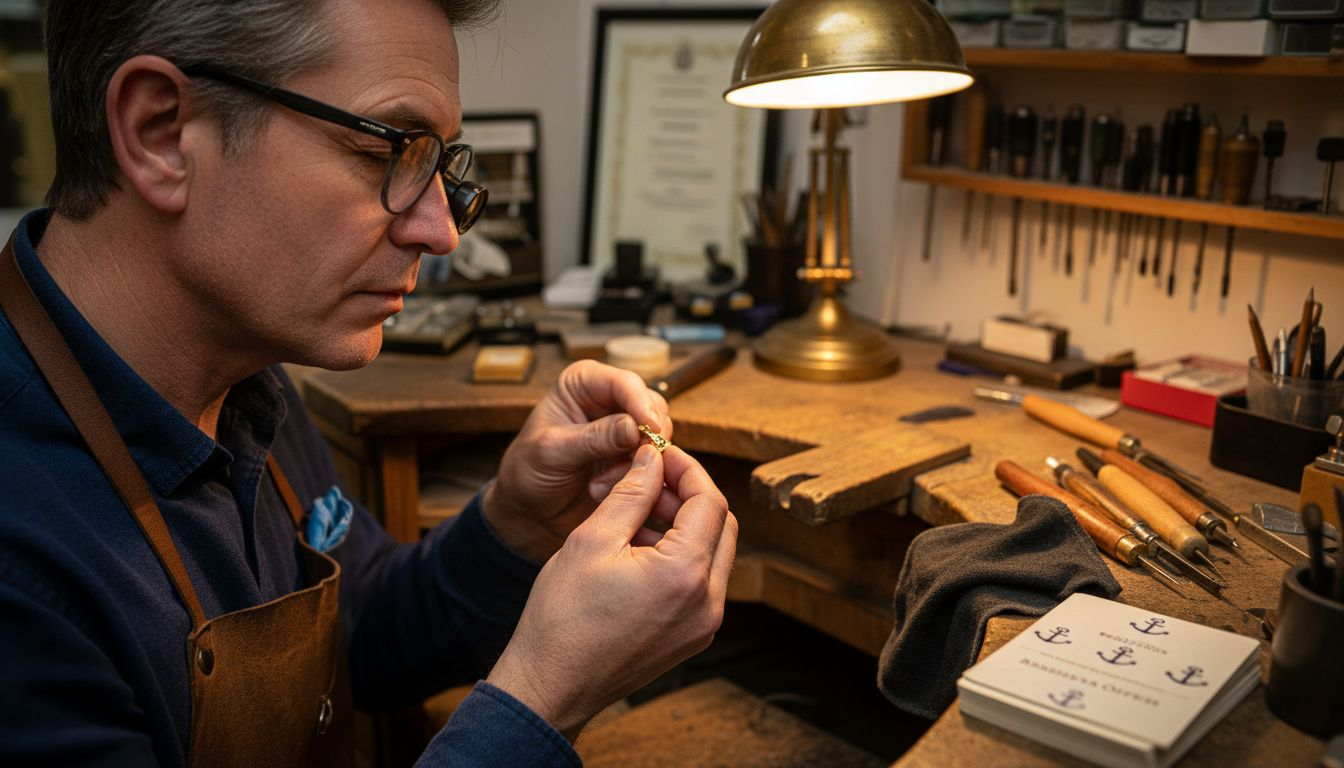
Recognize the four official UK assay offices: London (leopard’s head), Birmingham (anchor), Sheffield (rose), and Edinburgh (castle). These symbols guarantee independent testing and certification. Items bearing these marks underwent rigorous purity verification.
When purchasing pre-owned jewellery, request a hallmark check certificate documenting authentication. Sellers should provide this willingly. Examine marks under magnification to confirm clarity and depth. Poorly struck or suspicious hallmarks warrant professional inspection.
Authentication extends beyond hallmarks. Trace provenance through purchase receipts, prior ownership documentation, and certification papers. Reputable sellers maintain detailed records demonstrating piece history and authenticity journey.
Pro Tip: Always photograph hallmarks with your phone during inspection. Compare these images against official assay office databases online to confirm symbol accuracy and legitimacy before committing to purchase.
Step 2: Assess Ethical Sourcing and Certification
Ethical sourcing verification ensures your jewellery purchase aligns with responsible environmental and labour practices. Understanding key certifications helps you identify truly ethical pieces in the UK market.
Traceability forms the foundation of ethical sourcing. Gold and diamonds require documented origin chains showing extraction locations, refining processes, and trade routes. Legitimate ethical sellers provide this transparency willingly.
Key certifications to recognize include:
- Kimberley Process Certification Scheme: prevents conflict diamond trade
- Fairtrade Gold: guarantees fair wages and safe working conditions for miners
- Responsible Jewellery Council: certifies ethical business practices across supply chains
- B-Corp status: indicates comprehensive ethical business assessment
Remarkably, 99.8% of diamonds sold in the UK are certified conflict-free under the Kimberley Process as of 2023. This high certification rate demonstrates industry commitment to responsible sourcing. However, verification remains essential as some sellers make unsubstantiated claims.
“The Kimberley Process has successfully reduced conflict diamond circulation to less than 0.2% of global trade, making ethical diamond purchases more accessible than ever for UK consumers.”
B-Corp certified UK jewellers undergo rigorous ethical business assessments covering environmental impact, worker treatment, community engagement, and governance transparency. This certification provides comprehensive ethical assurance beyond material sourcing alone.
Alternative ethical options include lab grown diamonds and recycled precious metals. Lab diamonds eliminate mining impacts entirely while offering identical physical properties to natural stones. Recycled gold and silver reduce extraction demand significantly.
When assessing ethical credentials, request specific certification documentation. Ask sellers where materials originated, which certifications they hold, and how they verify supplier practices. Vague claims without supporting evidence indicate potential greenwashing.
Verify certifications independently through issuing organization websites. Most legitimate certifications provide online verification tools using certificate numbers or seller registration details.
Step 3: Understand Materials, Craftsmanship, and Bespoke Processes
Quality materials and expert craftsmanship determine jewellery durability, aesthetics, and long-term value. Understanding these elements helps you assess pieces accurately and set appropriate bespoke expectations.
Material quality varies significantly across jewellery grades. Common UK precious metals include:
- 9-carat gold (375): affordable, durable, suitable for everyday wear
- 14-carat gold (585): balanced purity and strength
- 18-carat gold (750): luxurious appearance, softer than lower carats
- 925 sterling silver: classic, requires regular maintenance to prevent tarnish
Lab-grown stones offer durability matching natural gems at reduced environmental impact and cost. These stones possess identical chemical composition and optical properties to mined equivalents.
Craftsmanship indicators reveal piece quality and longevity. Examine:
- Setting security: stones should sit firmly without movement
- Finish consistency: smooth surfaces without file marks or rough edges
- Joint integrity: clasps and hinges operate smoothly
- Symmetry: balanced proportions and aligned elements
Expert jewellers demonstrate skill through clean solder joints, invisible repairs, and structural reinforcement. Poor craftsmanship shows rough finishes, loose settings, and visible construction flaws.
Bespoke jewellery creation follows distinct stages requiring patience and collaboration. Understanding the value of bespoke craftsmanship helps justify timeline and cost investments. Typical bespoke processes include:
- Initial consultation: discuss design vision, budget, and timeline expectations
- Design development: jeweller creates sketches or CAD renderings for approval
- Material selection: choose metals, stones, and finishes matching specifications
- Prototype creation: review wax model or 3D print before final production
- Crafting: expert jeweller hand-fabricates piece using traditional techniques
- Stone setting: gemstones carefully secured in chosen settings
- Finishing: polishing, engraving, and final quality inspection
- Delivery: presentation with certification and care instructions
Most bespoke commissions require 4-12 weeks from initial consultation to completion. Complex designs, rare materials, or busy production schedules extend timelines. The bespoke creation timeline varies based on design complexity and jeweller workload.
Pro Tip: Build 2-4 week timeline buffers beyond quoted completion dates when commissioning bespoke pieces for specific occasions. Unexpected design revisions or material sourcing delays occur frequently, and buffers prevent disappointment.
Step 4: Shop Smartly for Pre-Owned and Bespoke Jewellery
Strategic shopping approaches maximize value and minimize risk when purchasing jewellery in the UK. Knowing where to buy, what to verify, and how to evaluate pricing ensures smart investments.
Choose certified sellers with established reputations and transparent business practices. Reputable jewellers provide:
- Clear return policies: typically 14-30 days for unworn items
- Detailed provenance documentation: purchase history and authentication records
- Professional appraisals: independent valuation certificates
- Warranties or guarantees: structural integrity coverage
Pre-owned jewellery offers significant financial advantages. Pre-owned luxury jewellery can cost up to 30% less than new equivalent items. This saving applies particularly to designer pieces and classic styles retaining value well.
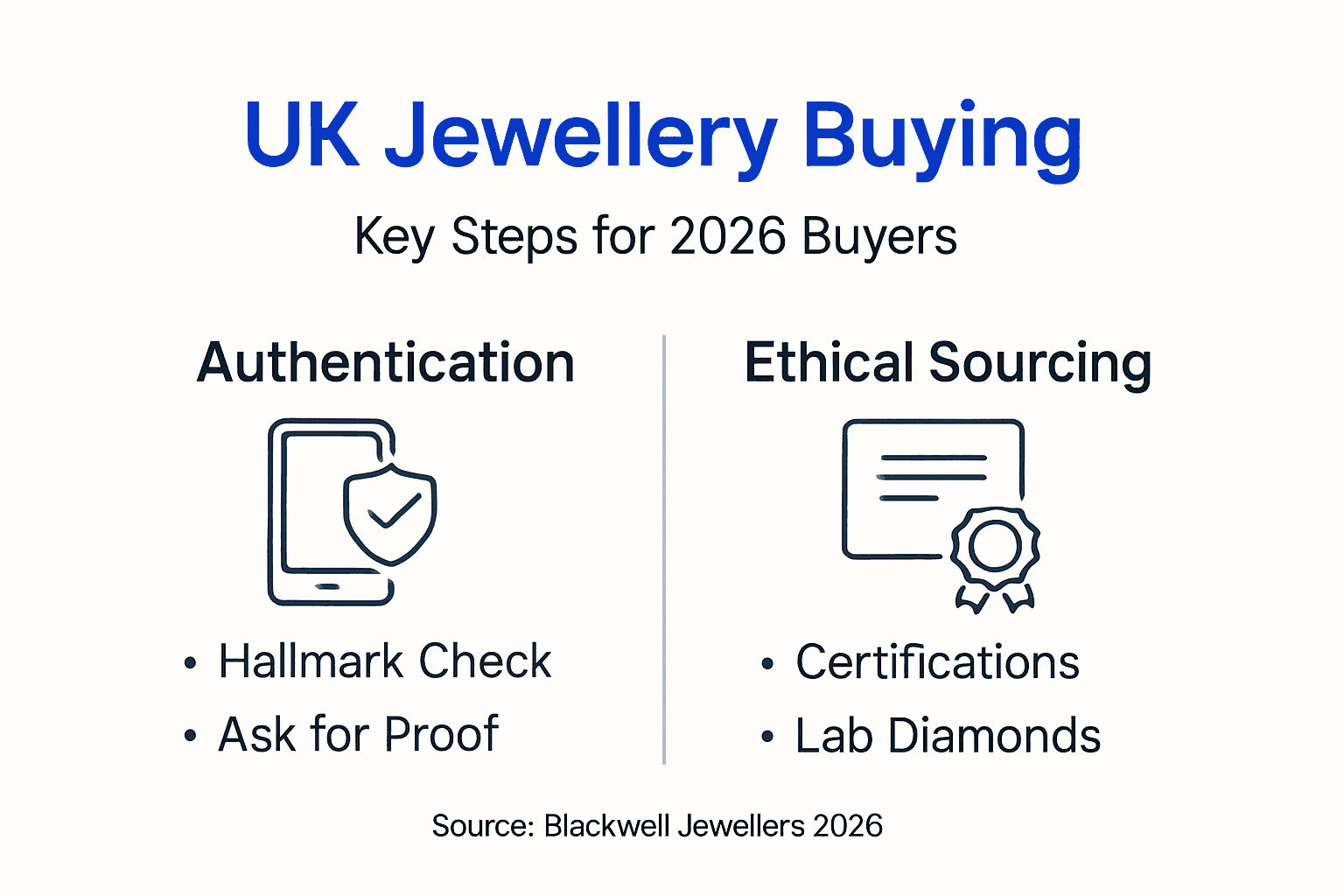
The benefits of second-hand jewellery extend beyond cost savings to include unique vintage designs, sustainability advantages, and immediate availability without production wait times.
Compare pre-owned and bespoke options using this framework:
| Factor | Pre-Owned Jewellery | Bespoke Jewellery |
|---|---|---|
| Cost | 20-30% below new retail | Premium pricing for customization |
| Timeline | Immediate purchase | 4-12 weeks production |
| Uniqueness | Limited to available inventory | Fully personalized design |
| Value retention | Often appreciates if rare | Depends on materials and craftsmanship |
| Authentication | Requires verification | Created with certified materials |
Evaluate seller credibility through:
- Physical store presence: established locations demonstrate commitment
- Online reviews: consistent positive feedback across platforms
- Industry memberships: affiliations with professional jewellery organizations
- Transparent pricing: detailed breakdowns of materials and labour costs
Negotiation opportunities exist particularly for pre-owned pieces. Research comparable items to establish fair market value. Request condition reports documenting any wear, repairs, or modifications. Use identified flaws as negotiation leverage while maintaining respectful dialogue.
Verify all certifications independently before finalizing purchases. Contact assay offices to confirm hallmark authenticity. Check ethical certification databases for seller registrations. Request additional documentation if claims seem unsubstantiated.
Step 5: Common Mistakes and How to Avoid Them
UK jewellery buyers frequently encounter preventable pitfalls that compromise purchase quality and value. Recognizing these mistakes helps you navigate transactions safely.
Uncertified sellers pose significant risks. An estimated 35% of online second-hand jewellery sales lack proper certification or hallmarks, increasing buyer risk substantially. Unverifiable online marketplaces and social media sellers often provide minimal authentication or recourse.
Common mistakes include:
- Skipping independent appraisals: relying solely on seller valuations risks overpaying
- Ignoring return policies: purchasing without clear return terms eliminates protection
- Neglecting authenticity verification: accepting claims without documentation invites fraud
- Overlooking condition reports: hidden damage or repairs reduce value significantly
- Rushing bespoke decisions: inadequate design consultation leads to disappointing results
Independent appraisals provide objective valuations protecting your investment. Professional appraisers assess authenticity, condition, craftsmanship quality, and fair market value. Budget £75-200 for thorough appraisals on significant purchases.
Warranty coverage varies dramatically between sellers. Pre-owned items often carry limited or no warranties compared to new jewellery. Clarify what structural issues, if any, receive coverage and for how long. Extended warranties may justify slightly higher purchase prices.
Avoiding common jewellery buying mistakes requires diligent verification and professional consultation. Never purchase significant pieces based solely on photographs or seller descriptions without in-person inspection opportunities.
Authenticity verification extends beyond hallmark examination. Request detailed documentation including:
- Original purchase receipts or invoices
- Previous appraisal certificates
- Repair or modification records
- Gemstone grading reports for diamond pieces
Red flags indicating potential problems include:
- Vague or evasive answers about provenance
- Refusal to provide certification documentation
- Pressure tactics demanding immediate purchase decisions
- Prices significantly below market value without clear explanation
- Missing or poorly struck hallmarks
Pro Tip: Always request a detailed condition report documenting any wear, repairs, or alterations before purchasing pre-owned jewellery. Reputable sellers provide this willingly, and refusal signals potential hidden issues worth investigating.
Step 6: Expected Results, Outcomes, and Success Metrics
Successful jewellery purchases deliver specific, measurable outcomes confirming value, authenticity, and satisfaction. Understanding these benchmarks helps you recognize and verify transaction success.
Authenticated purchases come with comprehensive documentation:
- Official hallmark certificates from recognized UK assay offices
- Independent appraisal reports confirming stated value
- Ethical sourcing certification from legitimate issuing bodies
- Detailed provenance records tracing ownership history
- Warranty or guarantee terms in writing
Ethical sourcing transparency appears through documented supply chains showing material origins, refining locations, and certification verification. Sellers should provide certification numbers you can independently verify through issuing organization databases.
Bespoke commissions meeting success criteria deliver:
- Completed pieces within agreed 4-12 week timelines (or with communicated delays)
- Designs matching approved prototypes or renderings
- Quality craftsmanship meeting professional standards
- Proper hallmarking and certification for all materials used
- Care instructions and maintenance recommendations
Investment potential for pre-owned jewellery includes value retention or appreciation over time. Rare vintage pieces, designer items, and classic styles often maintain or increase value. Success means purchasing at fair market rates allowing future resale at comparable or higher prices.
Compare success metrics across purchase types:
| Metric | Pre-Owned Success | Bespoke Success |
|---|---|---|
| Documentation | Full provenance and certification | Material certificates and design records |
| Timeline | Immediate possession | Delivery within quoted timeframe |
| Authenticity | Verified hallmarks and appraisal | Proper hallmarking at completion |
| Value | Purchase below retail comparables | Fair pricing for materials and labour |
| Satisfaction | Piece matches description exactly | Design fulfills original vision |
Successful purchases leave you confident in authenticity, satisfied with aesthetic results, and comfortable with value received. You possess complete documentation supporting insurance claims, future resale, or estate planning.
Long-term success indicators include:
- Piece maintains structural integrity through regular wear
- Materials retain appearance with appropriate maintenance
- Appraisals confirm value retention or appreciation
- Emotional satisfaction remains high over years
- Ethical sourcing claims withstand scrutiny
If purchases fail to meet these benchmarks, leverage return policies, warranty coverage, or professional mediation services. Reputable sellers stand behind products and resolve legitimate concerns.
Explore Authentic Pre-Owned & Bespoke Jewellery at Blackwell Jewellers
Applying this knowledge becomes effortless when partnering with established, ethical jewellers committed to transparency and craftsmanship. Blackwell Jewellers combines over 20 years of family-run expertise with rigorous authentication processes and bespoke design services.
Every pre-owned piece undergoes professional inspection, hallmark verification, and restoration by expert jewellers before reaching you. This meticulous process ensures you receive authenticated, wearable jewellery with documented provenance and structural integrity. The benefits of second-hand jewellery shine through competitive pricing, unique vintage selections, and sustainability advantages.
Bespoke commissions receive the same careful attention, combining ethical material sourcing with traditional craftsmanship techniques. Understanding the investment value of bespoke jewellery helps you appreciate custom design benefits beyond aesthetics alone.
Blackwell provides:
- Comprehensive hallmark certification on all precious metal items
- Transparent provenance documentation for pre-owned collections
- Expert bespoke design consultation and timeline management
- Flexible return policies supporting confident purchasing
- In-house repairs and maintenance services
Whether you’re ready to start bespoke jewellery design or explore authenticated pre-owned treasures, Blackwell’s Kent locations and national online platform provide accessible expertise. Real-world accountability, transparent practices, and generational craftsmanship knowledge ensure your jewellery investments deliver lasting value and satisfaction.
“At Blackwell Jewellers, we believe every piece tells a story worth preserving. Our commitment to authentication, ethical practices, and expert craftsmanship means you purchase with confidence, knowing your jewellery meets the highest UK standards.”
Frequently Asked Questions
What are the key UK hallmarks to look for on jewellery?
Look for four essential components: the sponsor’s mark identifying the maker, the fineness mark showing metal purity (like 375 for 9-carat gold or 925 for sterling silver), the assay office symbol (leopard for London, anchor for Birmingham), and the date letter indicating when hallmarking occurred. These marks legally certify precious metal content and protect against fraud.
How can I verify ethical sourcing certificates?
Request certification numbers or documents from the seller, then verify them independently through issuing organization websites. Kimberley Process certificates include unique tracking numbers, Fairtrade Gold certifications list registered refiners, and B-Corp status appears in public databases. Legitimate sellers provide documentation willingly and encourage independent verification.
What is the usual timeline for bespoke jewellery creation?
Typical bespoke commissions require 4-12 weeks from initial consultation to delivery. Simple designs with readily available materials complete faster, while complex pieces requiring rare stones or intricate techniques extend timelines. Always discuss specific timeframes during consultation and build buffer periods for important occasions.
Are pre-owned jewellery pieces a good investment in 2026?
Authenticated pre-owned jewellery offers strong investment potential, particularly designer pieces and classic styles that retain value well. You save 20-30% compared to new equivalents while acquiring pieces with proven durability and timeless appeal. Success depends on purchasing authenticated items at fair market rates from reputable sellers with transparent provenance.
How do I avoid common mistakes when buying pre-owned jewellery?
Always request independent appraisals before significant purchases, verify hallmarks through official databases, obtain detailed condition reports documenting any repairs or wear, and only purchase from sellers offering clear return policies and authentication documentation. Avoid uncertified online marketplaces and any seller refusing to provide comprehensive verification materials.
Recommended
- Why Jewellery Is More Than Decoration: A Cultural & Investment Guide – blackwellonline
- The Top Jewellery Trends for 2025 – blackwellonline
- Cracking the Code: How Do I Know I’m Getting the Most Money for My Jew – blackwellonline
- The Cost of Jewellery Repairs in the UK: What You Really Need to Know – blackwellonline