

Selling jewellery can feel overwhelming when you’re unsure where to start or who to trust. Many UK sellers struggle to find reliable buyers who offer fair valuations without hidden fees or lengthy delays. This guide walks you through preparing your pieces, comparing selling venues, executing safe transactions, and understanding what happens after the sale. Whether you’re parting with gold, silver, or antique heirlooms, you’ll learn how to maximise value whilst protecting yourself from common pitfalls. By the end, you’ll know exactly which platform suits your needs and how to navigate the process confidently.
Table of Contents
- Key takeaways
- How to prepare your jewellery for sale
- Choosing the best place to sell your jewellery in the UK
- Step-by-step guide to selling your jewellery safely and profitably
- What to expect after selling your jewellery
- Discover trusted jewellery selling services at Blackwell Jewellers
- FAQ
Key Takeaways
| Point | Details |
|---|---|
| Professional appraisal | Having an accurate appraisal clarifies the true value and supports negotiation when assessing offers. |
| Supporting documentation | Collect hallmarks, receipts, certificates and repair records to verify provenance and credibility for buyers. |
| High quality photography | Capture clear images from multiple angles in natural light to build buyer trust and reduce disputes after sale. |
| Selling platform choice | Your platform choice affects speed and price; compare high street specialised buyers and online marketplaces to match your needs. |
| Secure transactions | Prefer insured delivery and secure, traceable payments to minimise risk. |
How to prepare your jewellery for sale
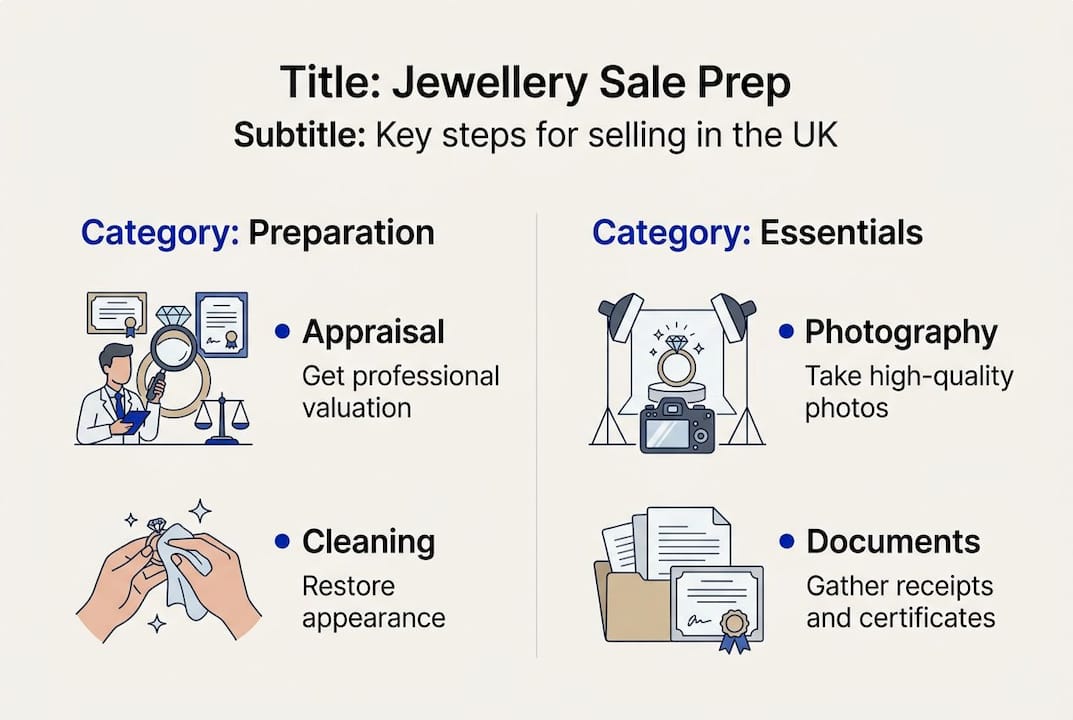
Preparation determines whether you receive top value or settle for less than your pieces deserve. Start by securing a professional appraisal from a qualified jeweller or gemologist. An accurate appraisal ensures you understand the true value of your jewellery, including metal purity, gemstone grades, and any structural issues that might affect price. This documentation becomes your negotiation leverage when comparing offers.
Cleaning your jewellery enhances its visual appeal without risking damage. Use a soft cloth and mild soap solution for gold and silver, avoiding harsh chemicals that might strip protective coatings or loosen stones. For delicate antique pieces or those with intricate settings, consider professional cleaning to maintain integrity. Buyers respond more favourably to well-presented items, often translating to higher initial offers.
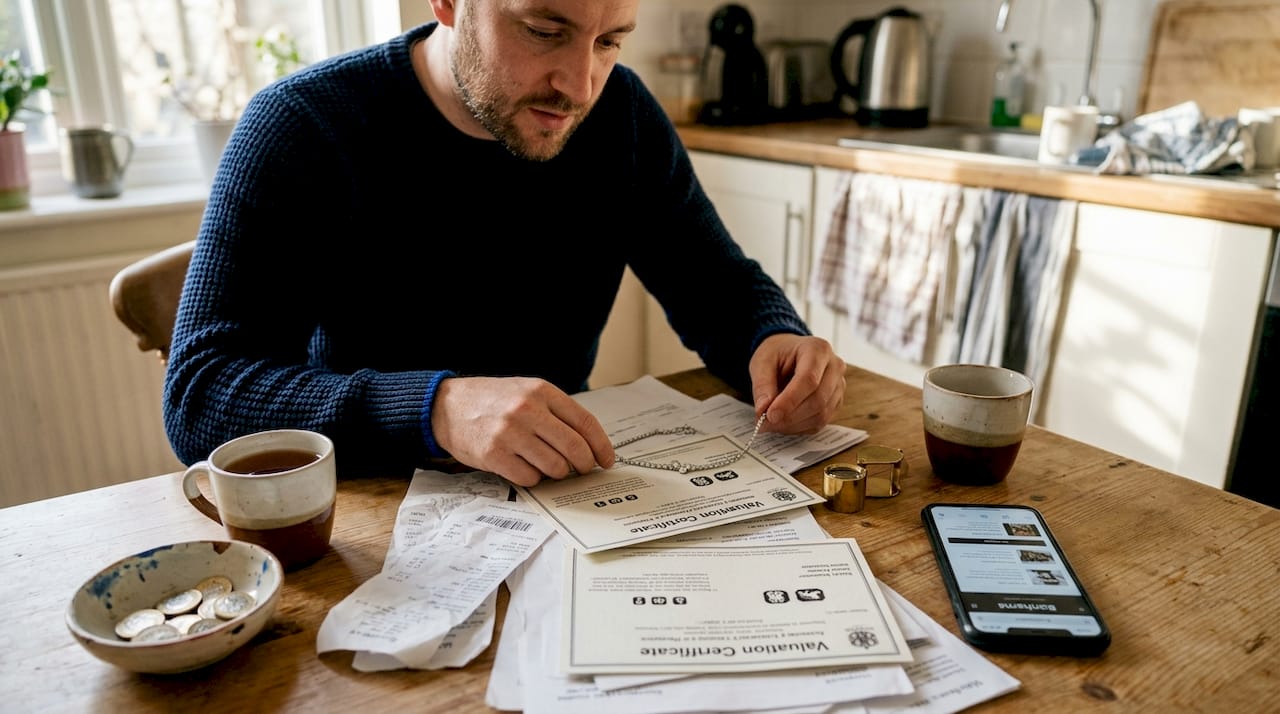
Gather all supporting documentation before approaching buyers. Hallmarks confirm metal authenticity and origin, whilst original receipts or certificates verify provenance and previous valuations. Repair records demonstrate care and maintenance history, adding credibility to your asking price. If you’ve inherited pieces without paperwork, note any family history or known details that might interest specialist buyers.
Photography matters more than most sellers realise. Capture clear images from multiple angles in natural light, showing hallmarks, clasps, and any distinguishing features. Include close-ups of gemstones and detailed shots of any wear or damage. Honest visual documentation builds buyer trust and reduces post-sale disputes, particularly when selling online.
Pro tip: Store jewellery in individual soft pouches or lined boxes until sale completion. This prevents scratches, tarnishing, or accidental damage that could reduce offers at the final moment.
Choosing the best place to sell your jewellery in the UK
Your selling venue shapes every aspect of the transaction, from speed to final price. High street jewellers offer immediate payment and face-to-face valuations, making them ideal for straightforward gold or silver pieces. Selling directly to high street retailers offers security and fair valuations, though prices may reflect their need to resell at profit. These buyers typically pay based on metal weight and current market rates, which works well for broken or outdated designs but may undervalue unique or designer pieces.
Specialised gold buyers and pawnbrokers provide quick cash but often focus solely on metal content. They’re convenient when you need immediate funds or have damaged items with little aesthetic value. However, commission rates and buyback terms vary widely, so compare several offers before committing. Some operate postal services where you send items for valuation, introducing risk unless you choose established, insured companies.
Online marketplaces expand your potential buyer pool significantly. Online second-hand jewellery platforms provide wide reach but require seller vigilance regarding fees, listing requirements, and payment protection. Platforms like eBay or specialist jewellery sites attract collectors willing to pay premium prices for rare or vintage items. You control pricing and presentation but handle shipping, authentication queries, and potential returns yourself.
Auction houses suit high-value antiques, signed designer pieces, or items with historical significance. They employ expert valuers and attract serious collectors, potentially yielding exceptional returns. Expect commission fees between 10% and 25%, plus waiting periods of several weeks or months between consignment and payment. Reserve prices protect you from underselling, though unsold lots may incur additional charges.
| Selling venue | Best for | Speed | Typical return |
|---|---|---|---|
| High street jewellers | Standard gold/silver pieces | Immediate | Metal value plus modest premium |
| Specialist buyers | Broken items, urgent sales | Same day | Metal weight at current rates |
| Online marketplaces | Unique or vintage pieces | 1-4 weeks | Higher potential, variable fees |
| Auction houses | Rare antiques, designer items | 2-3 months | Highest potential minus commission |
Pro tip: For antique or unusual pieces, consult multiple specialists before choosing a venue. What one buyer dismisses as outdated might be exactly what another collector seeks, dramatically affecting your final return.
Step-by-step guide to selling your jewellery safely and profitably
Executing a successful sale requires methodical attention to verification, negotiation, and transaction security. Follow these steps to protect yourself whilst maximising returns.
-
Confirm authenticity before any listing or appointment. Check hallmarks against official registers, verify gemstone certificates, and ensure your appraisal is current. Understanding your jewellery’s worth and market options protects you from undervaluation and fraud. Buyers trust sellers who demonstrate knowledge and preparation.
-
Request detailed written valuations from at least three buyers. Each should itemise metal content, gemstone grades, condition assessment, and how they calculated their offer. Compare these breakdowns rather than just final figures. Some buyers inflate initial quotes then reduce them after inspection, so written commitments matter.
-
Negotiate confidently using your appraisal as baseline evidence. If a buyer’s offer falls significantly below your documented value, ask them to explain the discrepancy. Legitimate buyers will justify their pricing based on market conditions, resale margins, or specific condition issues. Vague explanations or pressure tactics signal unreliable buyers.
-
Insist on secure payment methods that provide transaction records and buyer protection. Bank transfers, PayPal goods and services, or cheques from established businesses offer recourse if disputes arise. Avoid cash-only deals with unknown buyers or requests to use untraceable payment apps. For high-value items, meet at the buyer’s registered business premises rather than public locations.
-
Obtain detailed receipts documenting exactly what you sold, the agreed price, buyer contact details, and transaction date. Photograph your items immediately before handing them over. This evidence proves invaluable if authenticity disputes or payment issues emerge later.
-
Understand platform terms before committing to online sales. Read cancellation policies, fee structures, shipping insurance requirements, and dispute resolution processes. Some platforms charge listing fees regardless of sale success, whilst others take percentage commissions only on completed transactions.
“The difference between a satisfactory sale and an excellent one often comes down to patience and preparation. Sellers who invest time comparing offers and understanding buyer motivations consistently achieve returns 15% to 30% higher than those accepting first offers.”
Pro tip: If selling online, require signature confirmation on delivery and purchase additional insurance covering the full appraised value. Standard postal insurance rarely covers jewellery adequately, leaving you vulnerable to loss claims.
What to expect after selling your jewellery
Post-sale processes vary significantly depending on your chosen platform. Physical store transactions typically conclude immediately with payment and receipt exchange. You walk away with funds and closure. Online or auction sales involve verification periods where buyers confirm authenticity and condition match your description. This can take 3 to 14 days, during which payment remains held in escrow or pending release.
Some buyers conduct additional testing after purchase, particularly for gold purity or gemstone authenticity. Reputable buyers inform you of this upfront and honour their initial offer unless they discover misrepresentation. If they claim discrepancies, request detailed evidence including testing methodology and results. You have the right to independent verification before accepting reduced payment.
Certain platforms and buyers offer additional services that extend beyond simple purchase. Some buyers provide additional services like refurbishment or resale guarantees, meaning your pieces may undergo restoration before reaching their next owner. This doesn’t affect your payment but explains why some buyers pay more upfront, knowing they’ll add value through expert workmanship.
Payment timing deserves careful attention. Understand exactly when funds will reach your account and in what form. Immediate bank transfers from high street buyers provide instant access. Auction house payments typically arrive 7 to 21 days after the hammer falls, minus commission and any applicable taxes. Online marketplace payments release once buyers confirm satisfaction, introducing potential delay if they’re slow to respond.
Disputes occasionally arise despite careful preparation. Common issues include buyers claiming condition mismatches, authenticity questions, or payment processing errors. Keep comprehensive records including all correspondence, photographs, receipts, and independent appraisals. Most platforms offer mediation services, though resolution can take weeks. Know your legal rights as a seller, particularly regarding misrepresentation claims and refund obligations.
| Payment timeline | Typical platform | Funds availability |
|---|---|---|
| Immediate | High street jewellers, specialist buyers | Same day |
| 3-7 days | Online marketplaces with buyer confirmation | After verification period |
| 7-21 days | Auction houses | After sale completion minus commission |
| 14-30 days | Postal buyers with testing periods | After authentication and processing |
Pro tip: Maintain copies of all sale documentation for at least 12 months. This protects you if tax questions arise or if buyers return with delayed disputes. HMRC may require proof of sale value for capital gains purposes on high-value items.
Discover trusted jewellery selling services at Blackwell Jewellers
Navigating the jewellery selling process becomes significantly easier when you work with established, transparent buyers. Blackwell Jewellers operates multiple physical stores across Kent alongside a comprehensive online platform, offering professional appraisals and fair valuations for gold, silver, diamond, and antique pieces. Their expert team understands the UK market thoroughly and guides sellers through every step, from initial assessment to final payment.

With over 20 years of established trading, Blackwell combines family-run accountability with professional expertise. Each piece undergoes rigorous inspection and authentication by qualified jewellers who explain their valuation methodology clearly. Whether you’re selling a single item or an entire collection, their straightforward process ensures you understand exactly what you’re receiving and why. Visit Blackwell Jewellers to explore your selling options or book an appraisal appointment at your nearest Kent location today.
FAQ
Can I sell jewellery without an official appraisal?
Yes, but you risk accepting below-market offers without independent verification of value. Buyers will conduct their own assessments, and without your own appraisal as leverage, you have no baseline for negotiation. Professional appraisals typically cost £30 to £100 but often pay for themselves through improved sale prices.
How do I know if I’m getting a fair price?
Compare offers from at least three different buyers and request itemised breakdowns showing metal content, gemstone grades, and condition factors. Check current gold and silver spot prices online, then calculate what your piece should yield based on weight and purity. Fair offers typically range from 70% to 85% of melt value for standard pieces, with premiums for designer or antique items.
Is it safe to sell jewellery online?
Online selling is safe when you use established platforms with buyer protection programmes and escrow payment systems. Always require signature confirmation, purchase full-value insurance, and photograph items before shipping. Avoid platforms lacking dispute resolution processes or buyers requesting direct payment outside official channels.
What fees should I expect when selling jewellery?
Fees vary by platform. High street buyers typically charge nothing, building their profit into the offer price. Online marketplaces charge 5% to 15% commission plus listing fees. Auction houses take 10% to 25% commission plus catalogue fees and insurance. Postal buyers may deduct testing or processing charges, so confirm all costs upfront before committing.
How long does the selling process usually take?
Timelines range from immediate for high street transactions to three months for auction sales. Online marketplace sales typically complete within 7 to 21 days including listing, buyer selection, shipping, and payment release. Postal buyers process items within 5 to 10 working days. Choose your platform based on how quickly you need funds versus desired return.
Recommended
- Best Way To Sell Gold Jewellery in the UK (2025 Guide) – blackwellonline
- Top 8 Best Second-Hand Jewellery Online 2026 – blackwellonline
- How jewellery is refurbished: a quality guide for UK buyers – blackwellonline
- The Complete Guide to Jewellery Hallmarks in the UK: How to Know What – blackwellonline