

Buying second hand jewellery often feels risky when you cannot verify its authenticity or trust the seller. Many UK shoppers worry about receiving fake pieces, poor quality items, or jewellery with unclear origins. This guide will show you exactly how to authenticate second hand jewellery, choose trustworthy sellers with proper hallmarks, and select timeless vintage styles that make excellent gifts or personal investments. You will learn practical steps to buy with confidence, backed by UK market insights and expert authentication methods.
Table of Contents
- Key takeaways
- Understanding the second hand jewellery market in the UK
- How to authenticate second hand jewellery
- Choosing the right second hand jewellery: styles and sellers
- Safely purchasing and maintaining second hand jewellery
- Explore quality second hand jewellery at Blackwell Jewellers
- Frequently asked questions about second hand jewellery
Key Takeaways
| Point | Details |
|---|---|
| Authentication methods | Authentication relies on provenance documents, lab reports, independent appraisals and professional refurbishment records to verify a piece before purchasing. |
| Trusted UK sellers | Buy from trusted UK sellers who provide clear provenance and hallmarked pieces to ensure authenticity and quality. |
| Hallmarks and provenance | Check hallmarks against the claimed era and origin and request authenticity certificates where possible. |
| Timeless vintage styles | Choose timeless vintage designs such as Art Deco or Victorian pieces for distinctive style and potential long term value. |
Understanding the second hand jewellery market in the UK
The UK jewellery market represents approximately £6 billion in 2025 with projected growth between 3.6% and 5.7% annually. This substantial market reflects increasing consumer interest in authenticated second hand pieces, driven partly by sustainability concerns and the appeal of vintage craftsmanship. Women now account for 42% of self-purchasing jewellery buyers, creating strong demand for quality pre-owned items that offer both style and value.
Several factors shape the current UK second hand jewellery landscape:
- Growing environmental awareness encourages buyers to choose sustainable vintage pieces over newly mined materials
- Increased self-purchasing among women drives demand for authenticated, personally meaningful jewellery
- Consumer concerns about hygiene and authenticity remain primary barriers to purchasing second hand items
- Rising appreciation for vintage craftsmanship and unique historical designs attracts collectors and gift buyers
Pro Tip: The benefits of buying second hand jewellery extend beyond cost savings to include access to discontinued designs, superior vintage craftsmanship, and reduced environmental impact compared to newly mined pieces.
Despite market growth, trust remains the biggest challenge. Many potential buyers hesitate because they cannot easily verify authenticity or assess whether a piece has been properly cleaned and restored. Reputable UK sellers address these concerns through rigorous inspection processes, transparent provenance documentation, and professional refurbishment services. Understanding how to identify trustworthy sellers and authenticate pieces yourself empowers you to navigate this market confidently.
The vintage jewellery segment particularly attracts buyers seeking unique gifts or investment pieces. Art Deco rings, Victorian brooches, and mid-century modern designs offer distinctive styles unavailable in contemporary collections. These pieces often feature superior metalwork and gemstone quality compared to mass-produced modern jewellery, making them valuable additions to any collection.
How to authenticate second hand jewellery
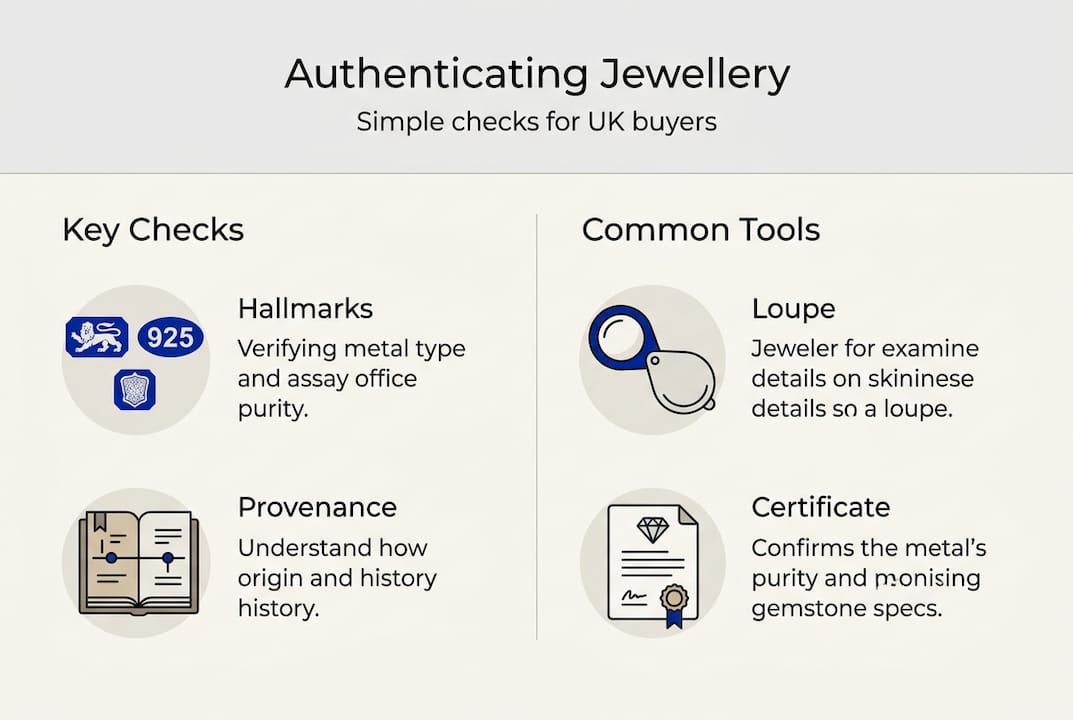
Authentication protects you from purchasing fake or misrepresented pieces. Natural wear patterns, provenance documentation, independent appraisals, verified lab reports, and professional services like LegitGrails provide reliable verification methods. Each approach offers different levels of certainty depending on the jewellery’s value and complexity.
Start by examining physical indicators of authenticity. Genuine vintage pieces show consistent wear patterns that fakes cannot easily replicate. Clasps, hinges, and high-contact areas develop natural patina over decades. Examine these areas closely for smooth, even wear rather than artificially aged surfaces. Check for appropriate hallmarks matching the claimed era and origin, as counterfeiters often use incorrect or anachronistic stamps.
Request comprehensive documentation from sellers:
- Original receipts or purchase records establishing ownership history
- Previous appraisal certificates from recognised gemological laboratories
- Provenance letters detailing the piece’s origin and any notable previous owners
- Refurbishment records showing professional cleaning, repairs, or restoration work
- Certificates of authenticity from the original manufacturer when available
For high-value pieces, obtain an independent appraisal from a qualified gemologist unaffiliated with the seller. This professional assessment verifies metal purity, gemstone authenticity, and overall condition. Gemological laboratories like GIA or IGI provide detailed reports including gemstone characteristics, treatments, and authenticity confirmation. Always verify lab report numbers directly with the issuing laboratory, as counterfeit certificates exist.
| Authentication method | Best for | Typical cost | Reliability |
|---|---|---|---|
| Visual inspection | Initial screening | Free | Low to medium |
| Hallmark verification | UK pieces | Free | Medium to high |
| Independent appraisal | All purchases over £500 | £50-£200 | High |
| Lab gemstone report | Diamond and precious gems | £100-£500 | Very high |
| Professional authentication service | Designer pieces | £30-£150 | High |
Pro Tip: Learn to spot fake gold jewellery and spot fake silver jewellery using simple home tests before investing in professional authentication. These quick checks eliminate obvious fakes and save appraisal costs.
Verify serial numbers and laser inscriptions when present. Many modern diamonds feature microscopic laser inscriptions matching their certificates. Jewellers can check these inscriptions under magnification to confirm authenticity. Designer pieces often include serial numbers engraved in specific locations. Cross-reference these numbers with manufacturer databases when possible.
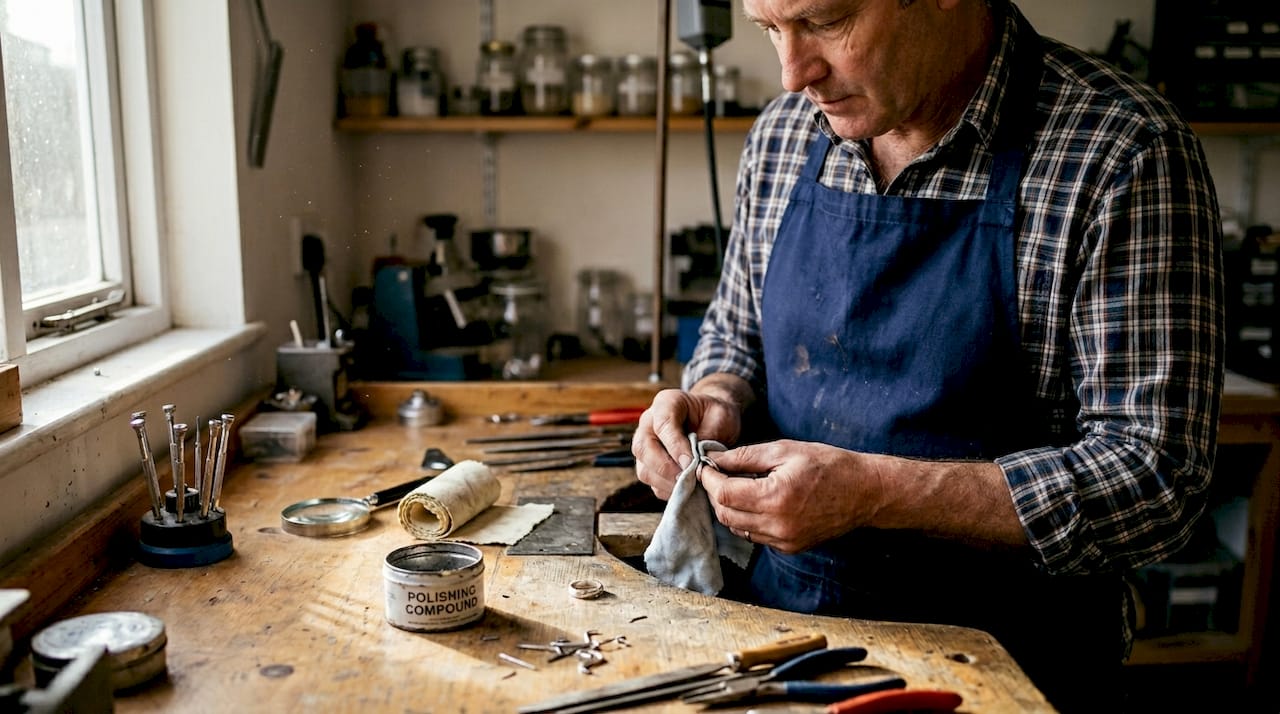
Understand the jewellery refurbishment process to assess whether restoration work was performed properly. Quality refurbishment preserves original character whilst ensuring structural integrity and wearability. Poorly executed repairs or aggressive polishing can diminish both value and authenticity.
Choosing the right second hand jewellery: styles and sellers
Selecting appropriate styles and trustworthy sellers ensures satisfaction whether buying for yourself or as a gift. Trusted UK sellers with hallmarked jewellery, clear provenance, and secure payment methods provide the foundation for confident purchases. Classic styles like Cartier and Art Deco designs remain popular gift choices due to their timeless appeal and strong resale value.
Prioritise sellers demonstrating these characteristics:
- Established UK presence with physical locations or verified online credentials
- Clear hallmarking on all precious metal pieces confirming metal purity and origin
- Transparent provenance documentation showing ownership history
- Professional photography showing pieces from multiple angles with accurate colour representation
- Detailed condition reports noting any repairs, replacements, or restoration work
- Secure payment processing with buyer protection through credit card companies
Timeless styles offer the best investment and gift value. Art Deco pieces from the 1920s and 1930s feature geometric designs and bold contrasts that remain fashionable today. Cartier’s iconic Love bracelets and Trinity rings transcend trends, maintaining strong demand in the second hand market. Victorian and Edwardian jewellery appeals to buyers seeking romantic, intricate designs with historical significance.
Pro Tip: Explore current vintage jewellery styles making a comeback to identify pieces that align with contemporary fashion whilst offering vintage authenticity and craftsmanship.
| Aspect | Vintage jewellery | Modern pre-owned |
|---|---|---|
| Design uniqueness | High; one-of-a-kind or limited production | Medium; mass-produced designs |
| Craftsmanship | Superior hand-finishing and detail | Variable; often machine-made |
| Investment potential | Strong for iconic periods | Depends on brand and condition |
| Availability | Limited; requires searching | More readily available |
| Price point | Variable; rare pieces command premiums | Generally lower than new retail |
Address hygiene concerns directly when evaluating sellers. Reputable dealers thoroughly clean and sanitise all pieces before sale using professional ultrasonic cleaning and steam sterilisation. Ask sellers about their cleaning protocols and whether pieces undergo professional refurbishment. Well-maintained second hand jewellery poses no hygiene risks and often looks indistinguishable from new items.
Use payment methods offering robust consumer protection. Credit cards provide Section 75 protection for purchases between £100 and £30,000, making the card issuer jointly liable if problems arise. This protection proves invaluable when purchasing high-value jewellery. Avoid bank transfers or payment methods lacking buyer protection when dealing with unfamiliar sellers.
Consider hallmarked jewellery safety tips when upgrading existing pieces or purchasing items for modification. Proper hallmarks ensure you receive the metal quality you pay for and provide legal protection against misrepresentation. Stay informed about jewellery trends for 2025 to identify styles gaining popularity that may offer good investment potential in the second hand market.
Safely purchasing and maintaining second hand jewellery
Safe purchasing practices protect your investment from the moment you identify a piece through long-term ownership. Buying from trusted sellers with hallmarks and provenance whilst using secure payment methods forms the foundation of risk-free second hand jewellery acquisition. Proper maintenance preserves both beauty and value over time.
Follow these steps for secure purchases:
- Verify the seller’s credentials by checking business registration, physical address, and customer reviews from multiple independent sources.
- Request detailed photographs showing hallmarks, any damage, and overall condition from various angles under different lighting.
- Obtain written documentation of metal purity, gemstone characteristics, weight, measurements, and any restoration work performed.
- Confirm the return policy allows adequate time for independent authentication and appraisal if needed.
- Use secure payment methods providing buyer protection, particularly credit cards offering Section 75 coverage.
- Arrange for independent appraisal within the return window to verify authenticity and value match seller claims.
- Inspect the piece immediately upon receipt, checking for damage during shipping and confirming it matches the description.
Pro Tip: Review the comprehensive UK jewellery authentication guide to understand how professional dealers authenticate pieces and what documentation you should expect when making significant purchases.
Proper care maintains your second hand jewellery’s condition and value. Clean pieces regularly using appropriate methods for each metal and gemstone type. Soft cloths work well for routine cleaning, whilst professional ultrasonic cleaning suits most durable gemstones and metals. Avoid harsh chemicals that can damage delicate stones or antique finishes. Store jewellery in individual soft pouches or lined boxes to prevent scratching.
Schedule periodic professional inspections to identify loose stones, worn prongs, or other issues before they cause damage or loss. Jewellers can tighten settings, re-tip prongs, and perform preventive maintenance that extends your piece’s lifespan. Keep detailed records of all maintenance, repairs, and appraisals to document the piece’s history for insurance purposes or future resale.
When exploring options, consider the best second hand jewellery available online from established UK dealers offering authenticated pieces with proper documentation. Online purchases require extra diligence regarding photography quality, return policies, and seller reputation. Request additional images or videos if standard photographs do not clearly show important details.
Insure valuable pieces through specialist jewellery insurance or by adding them to your home contents policy. Provide insurers with professional appraisals, photographs, and detailed descriptions. Update valuations every few years as market values change. Keep copies of all documentation in a secure location separate from the jewellery itself.
Explore quality second hand jewellery at Blackwell Jewellers
Now that you understand how to authenticate and purchase second hand jewellery confidently, you can explore curated collections from trusted UK specialists. Blackwell Jewellers offers an extensive selection of authenticated second hand jewellery, each piece rigorously inspected, hallmarked, and restored by expert jewellers before sale.
Every item in the second hand collection undergoes professional authentication and refurbishment to ensure quality, wearability, and lasting value. Browse authenticated pieces including gold, silver, and diamond jewellery alongside vintage and antique styles perfect for gifting or personal collection. Discover ethical diamond rings and explore the best second hand jewellery online with transparent provenance and hallmarked certification. Learn more about upgrading hallmarked jewellery safely through expert guidance and in-house workmanship backed by over 20 years of family-run expertise across multiple Kent locations and nationwide online service.
Frequently asked questions about second hand jewellery
What does hallmarking mean and why is it important?
Hallmarking is the official mark stamped on precious metals by UK assay offices confirming metal purity and authenticity. It provides legal protection by guaranteeing you receive the gold, silver, or platinum content you pay for. Always verify hallmarks match the claimed metal type and check they appear genuine rather than superficially engraved.
How can I verify jewellery provenance?
Request original purchase receipts, previous appraisal certificates, or documentation showing ownership history from the seller. Contact the original manufacturer or retailer if serial numbers are present to confirm authenticity. Reputable sellers provide transparent provenance voluntarily, whilst reluctance to share documentation raises concerns about legitimacy.
Are there hygiene risks with second hand jewellery?
Properly cleaned and refurbished second hand jewellery poses no hygiene risks. Professional dealers use ultrasonic cleaning and steam sterilisation to thoroughly sanitise pieces before sale. Ask sellers about their cleaning protocols and whether items undergo professional refurbishment to ensure pieces are hygienically safe for immediate wear.
What styles are best for gifts in vintage jewellery?
Art Deco pieces from the 1920s and 1930s make excellent gifts due to their geometric elegance and timeless appeal. Cartier’s iconic designs including Love bracelets and Trinity rings remain highly desirable. Victorian and Edwardian jewellery suits romantic occasions with intricate detailing and historical significance that adds sentimental value.
How do I know if a lab report is authentic?
Verify lab report numbers directly with the issuing laboratory through their official website or customer service. Genuine reports include security features like holograms, watermarks, or QR codes linking to online verification systems. Cross-reference all gemstone characteristics listed on the report with the actual stone under professional examination to confirm they match exactly.