

TL;DR:
- Pawnbroking in Maidstone offers quick, no-credit-check loans using valuable items as collateral, with the option to reclaim them. The process involves presenting an item with proof of ownership, receiving an offer, signing a pawn ticket, and repaying within a set period to regain the item. It is a flexible short-term borrowing solution ideal for those needing fast cash without affecting credit scores.
Pawnbroking is a secured short-term loan where you hand over a valuable item as collateral, receive cash on the spot, and reclaim your item by repaying the loan plus fees within an agreed period. No credit checks. No income proof. No lengthy bank appointments. If you are new to this and searching for a clear pawnbroking in Maidstone guide, you are in the right place. Maidstone has several reputable pawnbrokers, including Blackwelljewellers, a family-run Kent jeweller with over 20 years of trading experience. This guide walks you through exactly what to expect, step by step.
What can you pawn in Maidstone?
Not everything qualifies as collateral, and knowing this before you walk through the door saves you a wasted trip. Maidstone pawnbrokers typically accept items with clear resale value and easy authentication.
Common accepted items include:
- Gold, silver, and diamond jewellery (rings, chains, bracelets, watches)
- Electronics (laptops, tablets, gaming consoles, cameras)
- Musical instruments (guitars, keyboards, brass instruments)
- Designer handbags, luxury watches, and branded accessories
- Antique or vintage items with provenance
Jewellery is by far the most commonly pawned category. Gold and silver pieces are straightforward to test for purity, which makes appraisal quick and reliable.
How is your item valued?
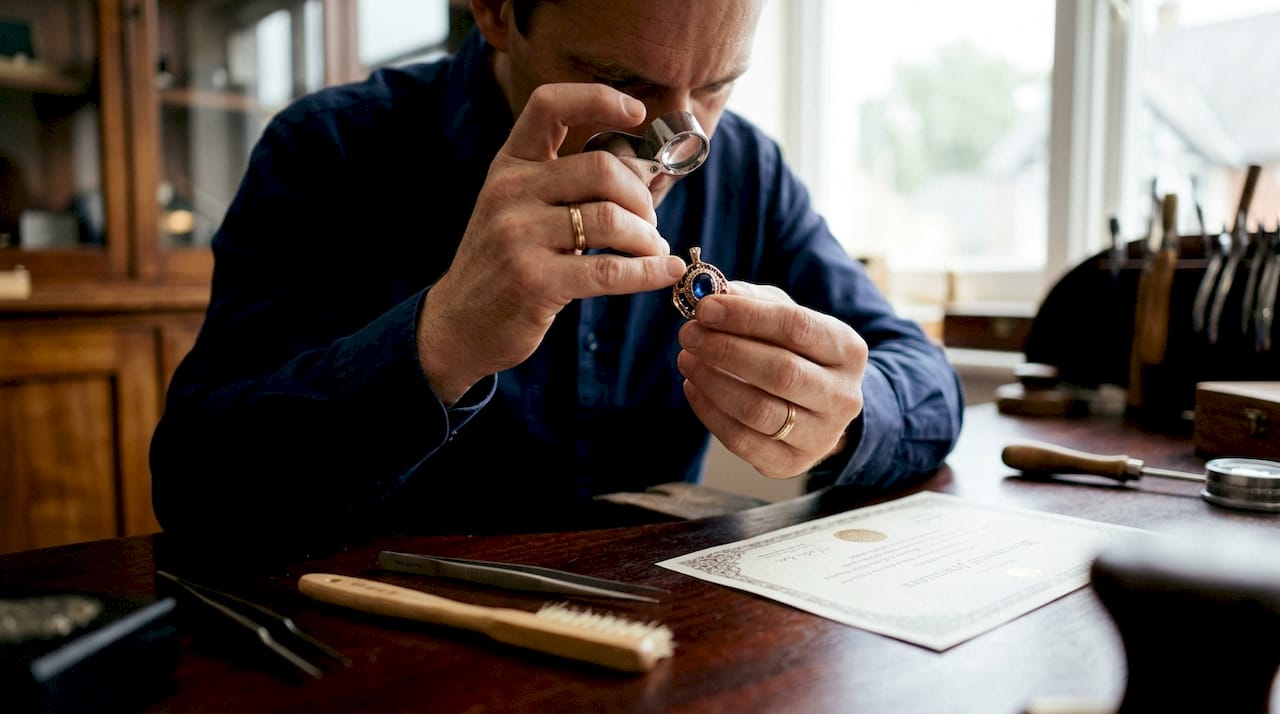
Item appraisals include technical tests for precious metals purity and gemstone quality. Reputable pawnbrokers conduct these assessments in minutes, not hours. The loan offer you receive is based on the item’s condition, authenticity, current market demand, and assessed resale value.
Pawn loans typically offer between 25% and 60% of an item’s assessed resale value. That range exists because pawnbrokers factor in the cost of storing, insuring, and potentially selling your item if you do not repay. A gold ring worth £500 at retail might fetch a loan of £125 to £300.
Different pawnbrokers have varied risk tolerances. Some may reject items that do not meet strict authenticity or condition criteria, even if the item looks valuable. This is why preparation matters.
Pro Tip: Bring any receipts, certificates of authenticity, or original packaging you have. A hallmark certificate for a gold piece or a box for a designer watch can meaningfully increase your loan offer.
How does the pawnbroking process in Maidstone work?
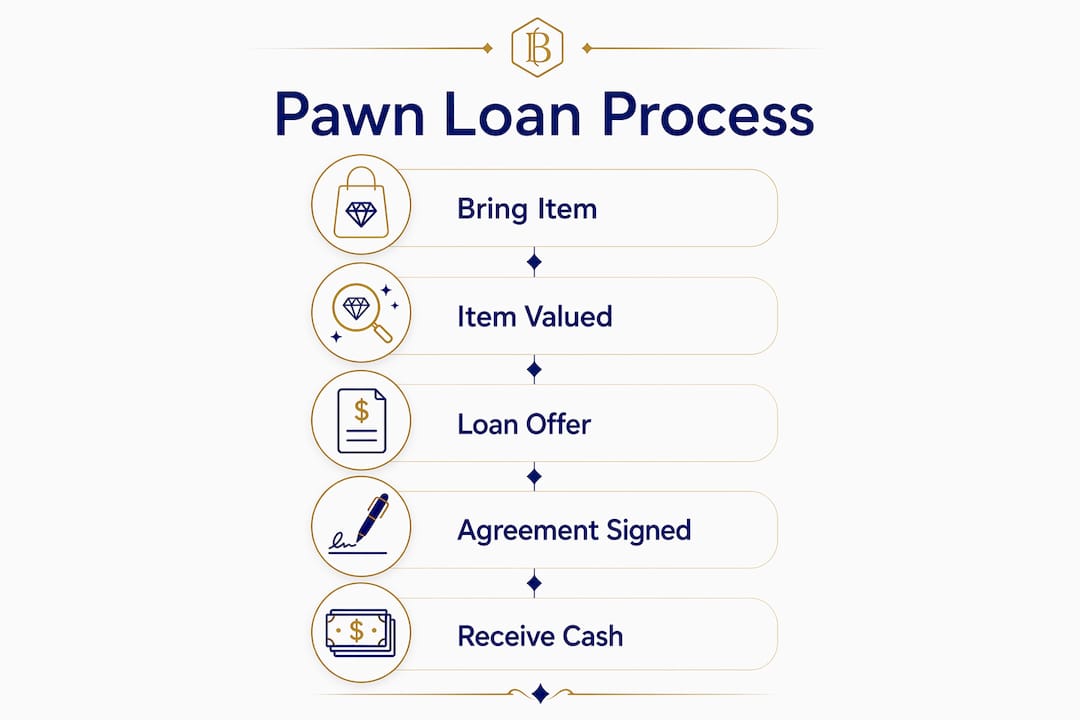
The pawnbroking process is simpler than most first-timers expect. Here is exactly what happens, in order.
-
Bring valid ID. Pawnbrokers require a valid government-issued photo ID before granting any loan. A passport or driving licence works. You must also meet the minimum age requirement, which is 18 in the UK.
-
Present your item. Hand over the item you want to pawn. The pawnbroker will inspect it on the spot. For jewellery, this includes testing metal purity and checking gemstone quality.
-
Receive a loan offer. The pawnbroker states the loan amount, the fees, and the repayment deadline. You are under no obligation to accept. If the offer does not suit you, you take your item back and walk away.
-
Sign the pawn ticket. If you accept the offer, you sign a pawn ticket. This is your loan agreement and your proof of ownership. It states the loan amount, the total repayable sum, and the deadline.
-
Receive your cash. You get the money immediately. No waiting. The appointment-free nature and immediate cash make pawnbroking particularly useful for urgent financial needs.
-
Repay and reclaim. Repayment terms typically run from 30 to 90 days. You repay the loan plus agreed fees, hand over your pawn ticket, and collect your item. There are no monthly instalments. It is one repayment at the end of the term.
-
If you cannot repay. If the loan is not repaid, there are no credit consequences. You lose the collateral, but no further penalties apply. The pawnbroker sells the item to recover the loan. That is the full extent of the risk.
Pro Tip: Keep your pawn ticket somewhere safe, like with your important documents at home. The pawn ticket is legally critical as the main document for reclaiming your item. Losing it creates significant obstacles, and in some cases, permanent loss of your item.
Pawning vs selling vs bank loans: which is right for you?
This is the question most first-timers actually need answered. Here is a straight comparison.
| Option | Speed | Credit check | Keep item? | Risk |
|---|---|---|---|---|
| Pawn loan | Same day | No | Yes, if repaid | Lose item if not repaid |
| Selling outright | Same day | No | No | None, but item is gone |
| Bank personal loan | Days to weeks | Yes | N/A | Debt, credit impact |
| Credit union loan | Days | Yes | N/A | Debt, credit impact |
Pawning wins on speed and accessibility. No credit checks or proof of income are required to qualify. Only an item of value and valid ID are needed. This makes pawnbroking a genuine option for people with poor credit or no bank account.
Selling outright might get you a better price, but it is permanent. If that gold chain belonged to your grandmother, you probably want the option to get it back. Pawning gives you that option.
Pawn loans are quicker than banks but tend to carry higher fees. They are suited for short-term borrowing, not long-term financial planning. If you need £200 for two weeks and you have a watch sitting in a drawer, pawning makes sense. If you need £5,000 for six months, a bank loan is the more cost-effective route.
When pawning makes the most sense:
- You need cash fast and cannot wait for bank approval
- You have poor credit or no credit history
- You want to keep the option of reclaiming your item
- The loan amount you need is relatively small
First-time pawning tips: what to do and what to avoid
Most problems first-timers run into are completely avoidable. Here is what actually matters.
Do these things:
- Read the pawn ticket carefully before signing. Confirm the loan amount, the total fees, and the exact repayment deadline.
- Compare offers from multiple pawnbrokers. Appraisals vary, and a second opinion can get you a meaningfully better loan.
- Clean your jewellery or electronics before your visit. A well-presented item signals good condition and can improve your offer.
- Ask about extensions or renewals upfront. Some Maidstone and Kent pawnbrokers offer the option to extend your loan term if you need more time.
- Only pawn items you could afford to lose. Pawnbroking is a debt-based transaction. If your repayment plan falls through, the item is gone.
Avoid these mistakes:
- Signing without reading. The pawn ticket is a contract. Every term in it is binding.
- Pawning sentimental items under financial pressure without a clear repayment plan.
- Assuming all pawnbrokers offer the same rate. They do not. Shopping around is not rude. It is sensible.
Pro Tip: If you are pawning jewellery, check whether the pawnbroker is also a qualified jeweller. A jeweller who understands hallmarking and gemstone grading will give you a more accurate appraisal than a generalist pawn shop.
Key takeaways
Pawnbroking in Maidstone is a fast, no-credit-check way to access short-term cash using a valuable item as collateral, with the full right to reclaim it on repayment.
| Point | Details |
|---|---|
| Loan value range | Pawn loans offer 25%–60% of assessed resale value, depending on condition and demand. |
| No credit checks needed | Only a valid photo ID and an item of value are required to qualify. |
| Pawn ticket is critical | Keep it safe. Losing it can mean permanent loss of your item, regardless of repayment. |
| Compare before you commit | Appraisals vary between pawnbrokers. Getting two offers costs nothing and could get you more. |
| Risk is limited | If you cannot repay, you lose the collateral only. No credit damage, no further penalties. |
What I have noticed after years of watching first-timers walk in
The single biggest mistake I see is people treating the pawn ticket like a receipt. They fold it into a pocket, forget about it, and then panic when repayment day arrives and they cannot find it. The pawn ticket is your contract and your proof of ownership. Treat it like your passport.
The second thing I notice is that first-timers often accept the first offer they get. That is understandable. The whole thing feels a bit unfamiliar, and you just want it done. But pawnbroking is a negotiation, at least at the margins. Showing up with a clean item, a certificate of authenticity, and a bit of confidence that you have done your research makes a real difference.
Maidstone has good options for pawnbroking. The local pawnbrokers here tend to be straightforward and fast, which is exactly what you want when you need cash quickly. The key is choosing someone who knows what they are looking at, especially for jewellery. A qualified jeweller who also offers pawnbroking services will assess your gold or diamond piece far more accurately than a general pawn shop. That accuracy works in your favour.
My honest advice: go in prepared, read everything before you sign, and do not pawn anything you would be devastated to lose permanently. If you do those three things, the process is genuinely simple.
— James
Blackwelljewellers pawnbroking in Maidstone
Blackwelljewellers has offered pawnbroking in Maidstone for over 20 years, with a team of qualified jewellers who assess gold, silver, and diamond pieces with real expertise. The process is transparent, the loan terms are clearly explained before you sign anything, and you walk out with cash the same day.

If you are considering pawning jewellery specifically, Blackwelljewellers is worth visiting first. Their in-house jewellers understand hallmarking, gemstone grading, and current market values in a way that generalist pawn shops simply do not. They also offer jewellery repairs and second-hand jewellery if you decide selling suits you better. Pop into the Maidstone store or get in touch to discuss your options with no pressure and no obligation.
FAQ
What ID do I need to pawn an item in Maidstone?
You need a valid government-issued photo ID, such as a passport or driving licence. You must also be 18 or over.
How much will I get for my item?
Pawn loans typically offer between 25% and 60% of an item’s assessed resale value. The exact amount depends on condition, authenticity, and current market demand.
What happens if I cannot repay my pawn loan?
If you do not repay, you lose the collateral item. There are no credit consequences and no further financial penalties beyond losing the item.
Can I extend my pawn loan if I need more time?
Some Maidstone pawnbrokers offer loan extensions or renewals. Ask about this option before you sign, so you know what flexibility is available.
Is pawning jewellery better than selling it?
Pawning lets you reclaim your item if you repay on time. Selling is permanent but may get you a higher immediate return. The right choice depends on whether you want to keep the item long-term.