
TL;DR:
- Selling gold for cash involves understanding its melt value, calculated by purity, weight, and spot price.
- To maximize payout, sellers should sort items by karat, get multiple quotes, and choose reputable buyers with transparent policies.
Cash 4 gold is the process of selling gold items directly for cash, based on the metal’s melt value rather than its design or sentimental worth. It sounds simple. Hand over a broken chain, pocket some notes. But the difference between a fair deal and a terrible one can be hundreds of pounds, and most sellers never realise they’ve been short-changed. This guide covers everything you need to know: how gold is valued, who the buyers are, what they actually pay, and how to protect yourself from the more creative operators in the market.
How is gold valued in a cash 4 gold transaction?
Gold valuation is built on three numbers: purity, weight, and the live spot price. Get comfortable with all three before you walk into any gold exchange service, and you’ll be a much harder person to underpay.
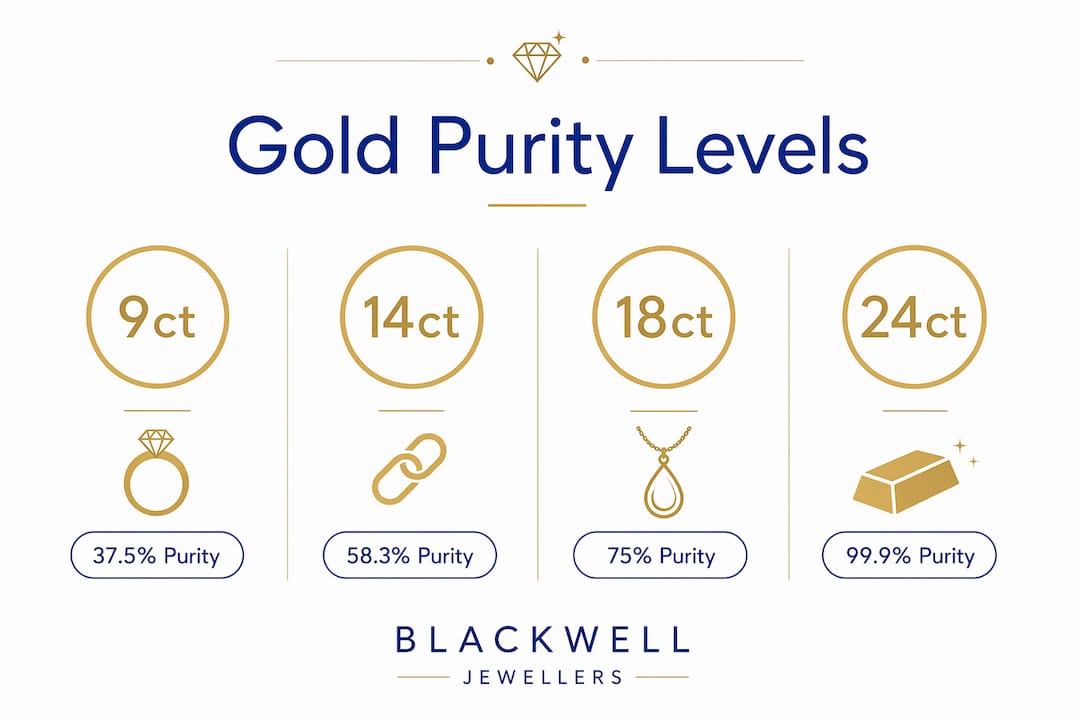
Purity is measured in karats. 14ct gold contains 58.3% pure gold, 18ct is 75% pure, and 24ct sits at 99.9%. That stamp on the inside of your ring? It tells you exactly what you’re working with. Common UK hallmarks include 375 (9ct), 585 (14ct), 750 (18ct), and 999 (24ct). If there’s no stamp, a reputable buyer will acid-test or XRF-test the piece before making an offer.
Weight is measured in troy ounces, not the standard ounces you’d use for butter. One troy ounce equals 31.1 grams, so if a buyer quotes you a price per troy ounce and you’re thinking in grams, the maths will confuse you fast. Weigh your items on a kitchen scale beforehand so you already know the numbers.
Melt value is the calculation that ties it all together: weight (in grams) multiplied by purity percentage, multiplied by the current spot price per gram. So a 10-gram 18ct gold ring, with gold trading at roughly £65 per gram, has a melt value of around £487. That’s your baseline. Any offer significantly below that number deserves a raised eyebrow.
The distinction between melt value and resale value matters too. Jewellery with design or provenance value can fetch considerably more than its melt price when sold to a specialist buyer. A signed Cartier bracelet is worth more than its weight in gold. A plain 9ct chain, probably not.
| Karat | Purity | Typical UK hallmark |
|---|---|---|
| 9ct | 37.5% | 375 |
| 14ct | 58.3% | 585 |
| 18ct | 75.0% | 750 |
| 24ct | 99.9% | 999 |
Pro Tip: Use a free online melt value calculator before any appointment. Enter your weight, karat, and today’s spot price. You’ll walk in knowing your floor price, which makes it much harder for a buyer to low-ball you.
Who buys gold for cash in the UK and what do they pay?
Not all buyers are equal. Not even close. The gold buying process in the UK involves four main types of buyer, and their payout ranges vary wildly.

Online refiners are the top payers. Reputable online refiners typically pay 90 to 95% of the gold spot price, which makes them the strongest option for pure scrap gold. The trade-off is time. You post your items, wait for an assessment, and receive payment by bank transfer. That process can take several days.
Local independent jewellers sit in the middle ground, typically paying 70 to 88% of melt value for scrap. They offer the advantage of face-to-face transactions, immediate feedback, and the ability to negotiate. A good local jeweller, like those at Blackwelljewellers in Kent, will also tell you if a piece has resale value beyond its scrap weight, which a refiner simply won’t bother doing.
Pawn shops are fast but expensive in terms of what you give up. Pawn shops pay 40 to 60% of melt value, which is the lowest of any buyer type. If you need cash in the next hour, they’ll provide it. If you have any flexibility at all, they should be your last resort.
Cash for gold kiosks (those pop-up stands in shopping centres) sit somewhere between pawn shops and local jewellers on payout, but below both on accountability. More on those shortly.
Here’s a quick comparison:
| Buyer type | Typical payout (% of melt value) | Speed | Best for |
|---|---|---|---|
| Online refiner | 90 to 95% | 3 to 7 days | Pure scrap gold, no rush |
| Local jeweller | 70 to 88% | Same day | Mixed lots, designer pieces |
| Pawn shop | 40 to 60% | Immediate | Emergency cash only |
| Kiosk / pop-up | Variable, often low | Immediate | Generally not recommended |
The single most effective thing you can do before selling is get at least three quotes from different buyers. Price variance between buyers can be significant, and the first offer is rarely the best one.
Pro Tip: Check the best place to sell jewellery before committing to any single buyer. A bit of research upfront can add real money to your final payout.
What steps should you take before selling gold for cash?
Preparation is where most sellers either win or lose money. The good news is that getting ready takes less than an hour and costs nothing.
-
Sort your gold by karat. This is the single most important step. Unscrupulous buyers weigh mixed bags at the lowest karat price present, meaning your 18ct pieces get priced as 9ct. Financial expert Stacy Johnson has specifically highlighted this tactic as one of the most common ways sellers lose money. Keep each karat group in a separate bag or envelope.
-
Check for hallmarks and identify plated items. Gold-plated jewellery has a thin layer of gold over a base metal. It has almost no scrap value. Look for stamps like “GF” (gold-filled), “GP” (gold-plated), or “RGP” (rolled gold plate). These are not solid gold and should not be mixed in with your genuine pieces.
-
Weigh everything yourself first. A basic kitchen scale accurate to 0.1 grams is enough. Write down the weight of each karat group. When the buyer weighs your items, you’ll know immediately if something doesn’t add up.
-
Take photos of every item. This is non-negotiable for mail-in sales. Photograph items before sending, note their condition, and keep a written record of weights. If a dispute arises, you have evidence.
-
Use insured, tracked postage for mail sales. Standard Royal Mail is not sufficient for valuables. Use a specialist courier with signature confirmation and declared value insurance. The cost is minimal compared to the risk of an uninsured loss.
-
Watch the buyer weigh and test your items in person. Insist on it. Watching the dealer weigh and test gold individually prevents high-karat pieces from being lumped in with lower-karat ones. Any buyer who refuses to do this in front of you is a buyer worth walking away from.
-
Never accept a rushed decision. A legitimate buyer will give you time to consider an offer. Pressure tactics (“this price is only good for the next five minutes”) are a red flag, not a sales technique.
Pro Tip: For more detail on maximising what you receive, the tips for getting the best price guide from Blackwelljewellers is worth reading before your first appointment.
How to choose a trustworthy gold buying service
Choosing where to sell gold for cash is as important as knowing what your gold is worth. The UK market has genuinely excellent buyers and some genuinely awful ones, often operating side by side.
Signs of a reputable buyer:
- Transparent pricing method. They explain how they calculate their offer, referencing the current spot price and your item’s karat and weight. No mystery, no vague “we’ll see what we can do.”
- Positive, verifiable reviews. Check Google, Trustpilot, and local forums. Look for patterns in the feedback, not just the star rating.
- Clear return policy and payment timeline. You should know exactly when and how you’ll be paid before you hand anything over.
- Physical premises with a trading history. Reputable stores with long-standing reputations offer more security and fairer prices than kiosks or pop-up gold events. A business that’s been trading for 20 years has a reputation to protect. A pop-up stall does not.
Things to avoid:
- Cash for gold kiosks and pop-up events. Kiosks carry the highest overhead and lowest accountability of any buyer type. The convenience is real. The payout usually isn’t.
- “Gold parties.” These are essentially Tupperware parties for jewellery, where a host collects items from friends and sends them to a central buyer. The host gets a cut, which means you get less.
- Vague advertisements with no pricing information. If a buyer won’t tell you their pricing method upfront, that’s the answer.
- Buyers who don’t distinguish between melt and resale value. If you have a signed or antique piece, a refiner will melt it and pay you scrap. A specialist buyer might pay significantly more. Specialist buyers may pay premiums for unique or branded jewellery that a refiner simply won’t recognise.
One more thing worth knowing: waiting for stable gold prices rather than selling during volatile spikes can actually improve your payout. When prices are stable, buyers compete harder for stock. When prices are spiking, they widen their margins because they know sellers are excited and less likely to shop around.
Key takeaways
Selling gold for cash in the UK rewards preparation: sort by karat, get three quotes, and choose a buyer with a verifiable trading history to maximise your payout.
| Point | Details |
|---|---|
| Know your melt value | Calculate weight × purity × spot price before any appointment to set your floor price. |
| Sort gold by karat | Mixed lots get priced at the lowest karat present; separate pieces to avoid underpayment. |
| Compare buyer types | Online refiners pay 90 to 95% of spot; pawn shops pay 40 to 60%. Choose based on your timeline. |
| Get three quotes minimum | Price variance between buyers is significant; the first offer is rarely the best. |
| Prioritise transparency | Choose buyers who explain their pricing method and have a verifiable trading history. |
What I’ve learned watching sellers get it wrong
I’ve seen a lot of people walk into gold transactions completely unprepared, and it’s genuinely painful to watch. Not because they’re naive, but because the information they needed was available and they just didn’t have it.
The most common mistake? Selling in a rush. Someone needs cash, they grab a bag of old jewellery, and they take the first offer they get. That first offer is almost never the best one. Industry analysts advise waiting for stable gold prices to encourage buyer competition, and the same logic applies to shopping around. Patience, even just a few days of it, can make a real difference.
The second mistake is treating all gold the same. A 9ct chain and an 18ct bracelet are not the same thing, and a buyer who weighs them together is not doing you a favour. Sort everything before you go anywhere. It takes ten minutes and it protects you from one of the oldest tricks in the book.
My honest advice: treat selling gold the same way you’d treat selling a car. You wouldn’t accept the first offer from the first dealer you visited. You’d get a few valuations, do a bit of research, and make an informed decision. Gold is no different. The gold jewellery investment tips guide is a good starting point if you want to understand the broader picture before you sell.
Stay patient. Stay documented. And don’t let anyone rush you.
— James
Sell your gold with Blackwelljewellers
If you’re based in Kent or happy to use a trusted national service, Blackwelljewellers has been buying gold and jewellery for over 20 years from stores in Maidstone, Gravesend, and Bexleyheath. They’re transparent about pricing, experienced with everything from scrap 9ct to antique signed pieces, and they won’t weigh your 18ct ring as if it’s 9ct.

Blackwelljewellers also offers pawnbroking services if you need cash quickly without selling outright, using your gold as collateral with the option to reclaim it later. And if you’re curious about what pre-owned gold jewellery looks like when it’s been properly authenticated and restored, their second-hand jewellery collection is worth a look. Contact them for a free appraisal and a competitive, no-pressure offer.
FAQ
What does cash 4 gold actually mean?
Cash 4 gold refers to selling gold items directly for cash, with the payout based on the gold’s melt value. The amount you receive depends on the weight, karat purity, and the current gold spot price.
How much of the gold spot price will I actually receive?
It depends on the buyer type. Online refiners typically pay 90 to 95% of spot price, local independent jewellers pay 70 to 88%, and pawn shops pay 40 to 60%. Getting multiple quotes is the most reliable way to find the best offer.
Is it safe to sell gold by post?
Yes, if you take the right precautions. Photograph every item, record the weight, and use an insured courier service with tracking and signature confirmation before sending anything.
Should I sell to a kiosk or pop-up gold buyer?
Generally, no. Cash for gold kiosks and pop-up events carry the highest overhead and lowest accountability of any buyer type, and their offers tend to reflect that. Established jewellers and online refiners offer better prices and more security.
Does designer or antique jewellery get a higher price?
It can, significantly. Specialist buyers and jewellers may pay premiums above melt value for unique, branded, or antique pieces. A refiner will only ever pay scrap value, so it’s worth getting a specialist valuation first if you suspect a piece has design or provenance value.