
Many people believe cash loans against jewellery are risky, opaque transactions that favour lenders over borrowers. This misconception prevents countless UK residents from accessing legitimate, transparent financial solutions when they need short-term funds. In reality, responsible jewellery lending operates on clear principles of fair appraisal, transparent terms and customer protection. This guide demystifies how cash loans on jewellery work in 2026, what to expect from reputable lenders, and how to secure fair terms whilst protecting your valuable pieces. You’ll learn which jewellery qualifies, how loan amounts are determined, critical factors affecting your agreement, and practical steps to borrow confidently without falling into common traps that lead to unfavourable outcomes.
Table of Contents
- Understanding Cash Loans Against Jewellery: How It Works
- What Types Of Jewellery Are Commonly Accepted For Cash Loans
- Key Considerations When Borrowing Cash Against Your Jewellery
- How To Get Started And Make The Most Of A Cash Loan On Your Jewellery
- Explore Jewellery Cash Loan Options With Blackwell Jewellers
- Frequently Asked Questions About Cash Lent On Jewellery
Key takeaways
| Point | Details |
|---|---|
| Collateral-based lending | Cash loans use your jewellery as security, with loan amounts based on professional appraisal of metal content, gemstones and resale value. |
| Variable terms matter | Interest rates, loan duration and repayment options differ significantly between lenders, making comparison essential before committing. |
| Short-term solutions | Most jewellery loans run for weeks or months, requiring prompt repayment or extension to avoid forfeiting your items. |
| Verification protects you | Checking lender credentials, transparent pricing and clear agreement terms prevents exploitation and ensures fair treatment. |
| Preparation maximises value | Proper jewellery assessment, documentation and lender research secure better loan amounts and more favourable conditions. |
Understanding cash loans against jewellery: how it works
Cash loans against jewellery, commonly known as pawnbroking, let you borrow money using valuable items as collateral. You hand over your jewellery temporarily whilst receiving immediate funds. The lender holds your piece securely until you repay the loan plus interest within an agreed timeframe. If you cannot repay, the lender keeps and sells your jewellery to recover their costs.
The typical process begins with appraisal. A qualified assessor examines your jewellery to determine its market value, considering metal purity, weight, gemstone quality and brand reputation. Loan values depend heavily on appraisal and resale potential, so accurate evaluation is crucial. The lender then offers a percentage of this appraised value, usually between 40% and 70%, as your loan amount. You receive cash immediately upon accepting the offer and signing a loan agreement.
Loan terms specify the repayment deadline, interest rate and any additional fees. Most agreements run for one to six months, though extensions are often available for extra charges. You can reclaim your jewellery by repaying the full amount before the deadline. Miss this date, and ownership transfers to the lender, who may sell your piece to recover their investment.
Several factors influence how much you can borrow:
- Metal content and purity, with 18ct and 24ct gold commanding higher values than 9ct pieces
- Gemstone quality, including carat weight, clarity, colour and cut for diamonds
- Brand prestige, as designer pieces from Cartier or Tiffany retain stronger resale appeal
- Current market prices for precious metals, which fluctuate daily based on global trading
- Item condition, with well-maintained jewellery fetching better appraisals than damaged pieces
Transparency in interest rates and fees separates responsible lenders from predatory operators. Reputable businesses clearly state all costs upfront, allowing you to calculate total repayment amounts before committing. Hidden charges, vague terms or pressure tactics signal untrustworthy lenders you should avoid. Understanding getting the most money for your jewellery requires knowing exactly what you’re agreeing to and how the process protects both parties.
What types of jewellery are commonly accepted for cash loans
Lenders prefer jewellery with stable, verifiable value that sells easily if you default. Gold items top the list because precious metal prices remain relatively predictable, making risk assessment straightforward. Silver jewellery also qualifies, though lower metal values mean smaller loan amounts. Diamond pieces attract strong interest due to consistent demand and established grading systems that determine worth objectively.
Commonly accepted categories include:
- Gold rings, necklaces, bracelets and earrings in various carats
- Diamond jewellery, especially engagement rings and tennis bracelets with certified stones
- Branded luxury pieces from recognisable designers like Bulgari, Van Cleef & Arpels or Chopard
- Platinum items valued for their rarity and durability
- Vintage or antique jewellery with historical significance or craftsmanship appeal
Common jewellery types for lending include gold rings and diamond pieces because their stable value reduces lender risk. Precious metals and gemstones increase loan eligibility since they maintain worth even during economic fluctuations. A gold necklace retains intrinsic metal value regardless of design trends, whilst diamonds hold appeal across generations and markets.
Condition significantly affects acceptance and loan amounts. Lenders scrutinise items for damage, missing stones or structural issues that reduce resale potential. A bent ring or scratched gemstone decreases value, limiting how much you can borrow. Well-maintained pieces in original condition command premium appraisals.
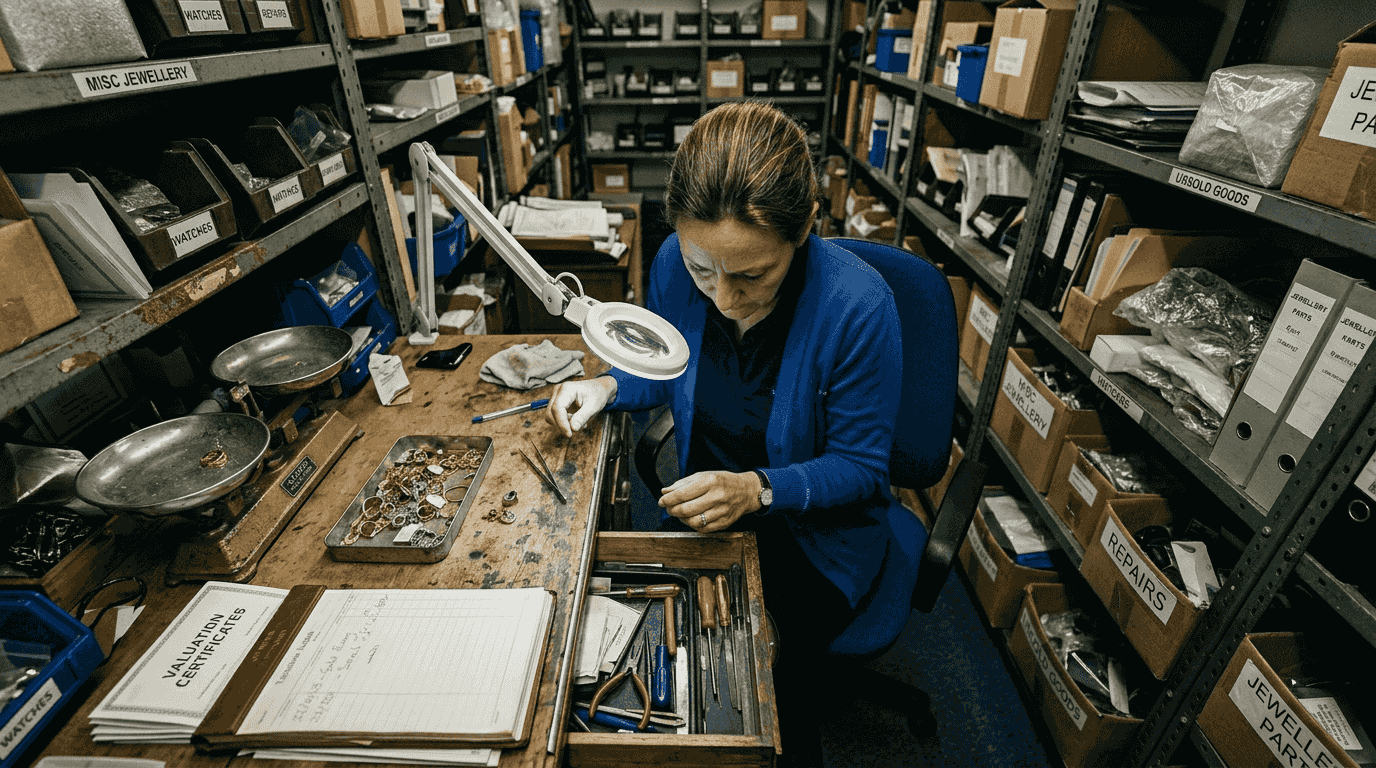
Authenticity verification protects both parties from fraud. Hallmarks on gold and silver confirm metal purity, whilst gemstone certificates from laboratories like GIA or IGI verify diamond quality. Lenders reject pieces without proper authentication or those suspected of being counterfeit. Branded jewellery requires proof of origin, often through original packaging, receipts or certificates.
Pro tip: Gather all documentation before visiting a lender. Certificates, receipts, original boxes and authentication papers accelerate the appraisal process and often secure higher loan offers by removing doubt about your jewellery’s provenance and quality.
Key considerations when borrowing cash against your jewellery
Loan duration typically ranges from 28 days to six months, with most agreements favouring shorter terms. You must repay the full amount plus interest before the deadline to reclaim your jewellery. Some lenders offer extensions or renewals, but these incur additional fees that increase your total cost. Missing the repayment date means forfeiting ownership, so realistic planning is essential.
Interest rates vary dramatically between lenders, from reasonable monthly percentages to exploitative annual rates exceeding 100%. Understanding interest rates and loan terms prevents excessive costs and potential jewellery loss. Calculate the total repayment amount before signing anything. A £500 loan at 5% monthly interest for three months costs £575 total, but the same loan at 10% monthly interest jumps to £650.
Additional fees compound costs quickly:
- Appraisal charges for evaluating your jewellery, sometimes waived by competitive lenders
- Storage fees for securing your items during the loan period
- Extension or renewal charges if you cannot repay on time
- Administrative costs for processing paperwork and agreements
Risks extend beyond financial loss. Forfeiting sentimental jewellery causes emotional distress that money cannot remedy. Family heirlooms, engagement rings or inherited pieces carry irreplaceable personal value. Borrowing against such items demands absolute confidence in your repayment ability.
Many borrowers underestimate interest impact and end up losing jewellery.
Agreement terms must be crystal clear before you commit. Vague language, missing details or confusing clauses signal problematic lenders. Reputable businesses provide written agreements specifying loan amount, interest rate, fees, repayment deadline and what happens if you default. Read everything carefully and ask questions about anything unclear.
Verifying lender credentials protects you from scams and unfair practices. Check for:
- Trading licences and regulatory compliance with UK consumer protection laws
- Physical premises where you can visit and retrieve your jewellery
- Transparent pricing with no hidden charges or surprise fees
- Customer reviews and testimonials indicating fair treatment and honest dealings
- Clear policies on jewellery storage, insurance and security
Pro tip: Negotiate terms before signing. Many lenders have flexibility on interest rates, loan duration or fees, especially for high-value items or repeat customers. Don’t accept the first offer if it seems unfavourable. Document everything in writing, including verbal promises, to avoid disputes later.
How to get started and make the most of a cash loan on your jewellery
Preparing properly maximises your loan value whilst minimising risks. Follow these steps for the best outcome.
-
Assess your jewellery condition and value honestly. Clean pieces thoroughly to present them at their best. Identify hallmarks, brand stamps or gemstone certificates that verify authenticity. Research current gold prices and similar item values online to establish realistic expectations. Preparing jewellery for loans through proper assessment ensures you understand what you own and what it’s worth.
-
Research lenders with transparent, customer-focused reputations. Visit physical stores to gauge professionalism and security measures. Check online reviews focusing on customer experiences with appraisals, loan terms and jewellery return processes. Avoid lenders with complaints about hidden fees, unfair valuations or difficulty reclaiming items.
-
Compare multiple offers before committing. Different lenders appraise jewellery differently and offer varying terms. One might offer £400 at 8% monthly interest whilst another provides £450 at 6% monthly interest for the same piece. Small differences compound significantly over loan duration.
-
Understand every agreement detail fully. Confirm the exact repayment amount, deadline, interest calculation method and consequences of late payment. Ask about extension options, costs and procedures if you need more time. Clarify how and when you can reclaim your jewellery after repayment.
-
Plan repayment or redemption carefully. Set aside funds systematically throughout the loan period rather than scrambling at the deadline. Consider automatic savings transfers or calendar reminders to ensure timely repayment. If circumstances change and repayment becomes impossible, contact the lender immediately to discuss options rather than simply defaulting.
Typical loan terms comparison:
| Lender type | Interest rate | Maximum loan amount | Repayment period | | — | — | — | | High street pawnbroker | 4-8% monthly | 70% of appraised value | 1-6 months | | Specialist jewellery lender | 3-6% monthly | 60-75% of appraised value | 1-12 months | | Online lending platform | 5-12% monthly | 50-65% of appraised value | 1-3 months |
Common mistakes to avoid:
- Borrowing more than you can realistically repay within the loan term
- Accepting the first offer without comparing alternatives or negotiating terms
- Ignoring the total repayment cost by focusing only on the loan amount
- Using irreplaceable sentimental jewellery as collateral for non-essential purchases
- Failing to read agreement fine print, especially clauses about default and ownership transfer
- Missing communication with lenders if repayment difficulties arise
- Assuming all lenders operate identically without verifying individual terms and credentials
Explore jewellery cash loan options with Blackwell Jewellers
Finding a trustworthy lender transforms jewellery loans from risky gambles into practical financial tools. Blackwell Jewellers brings over 20 years of family-run expertise to pawnbroking services across Kent and nationwide online. Their transparent approach prioritises customer understanding and fair treatment throughout the loan process.
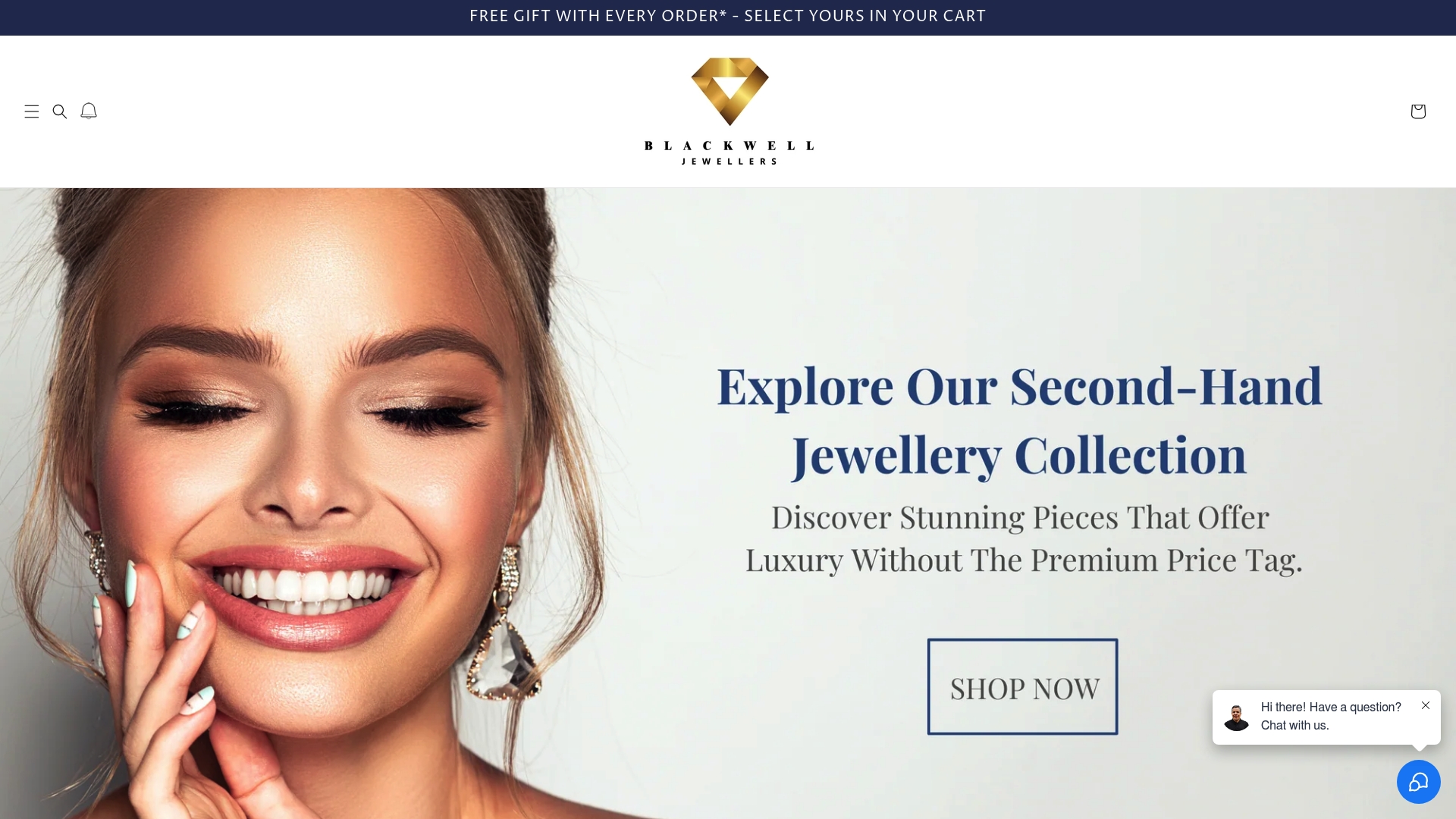
Professional appraisal services ensure accurate valuations based on current market prices, metal purity and gemstone quality. You receive clear explanations of how loan amounts are calculated, with no hidden fees or surprise charges. Secure storage protects your jewellery whilst flexible repayment options accommodate different financial situations. Customer-focused policies mean straightforward terms, honest communication and respectful service whether you’re borrowing £100 or £10,000. Explore responsible lending solutions at Blackwell Jewellers where transparency and fairness define every transaction.
Frequently asked questions about cash lent on jewellery
What jewellery qualifies for cash loans?
Gold, silver, platinum and diamond jewellery qualify most commonly due to their stable market value and resale potential. Branded luxury pieces from recognised designers also attract strong interest. Items must be authentic, with verifiable hallmarks or certificates confirming metal purity and gemstone quality.
How is loan amount determined?
Loan amounts depend on professional appraisal considering metal weight and purity, gemstone quality, brand reputation and current market prices. Lenders typically offer 40% to 70% of the appraised resale value. Higher quality pieces with clear authentication receive better loan offers than damaged or questionable items.
Can damaged jewellery be used for loans?
Damaged jewellery can qualify, but expect significantly lower loan amounts. Broken clasps, missing stones or structural issues reduce resale value, which directly impacts how much lenders will offer. Minor damage affecting aesthetics more than material worth has less impact than serious structural problems.
What happens if I can’t repay the loan?
Missing the repayment deadline transfers ownership to the lender, who keeps and sells your jewellery to recover their costs. Some lenders offer extensions for additional fees, but these increase total repayment amounts. Contact your lender immediately if repayment difficulties arise, as early communication sometimes enables alternative arrangements.
Are interest rates regulated for jewellery loans?
UK consumer credit regulations apply to jewellery loans, requiring lenders to clearly disclose interest rates and total repayment costs. However, rates vary widely between lenders, from reasonable monthly percentages to extremely high annual rates. Always compare offers and calculate total costs before committing to any agreement.
How quickly can I get cash for my jewellery?
Most reputable lenders provide cash immediately or within hours of accepting their offer. The appraisal process typically takes 15 to 30 minutes for straightforward pieces. Complex items requiring specialist evaluation or additional authentication may take longer, but same-day funding remains standard for established lenders with in-house expertise.