

TL;DR:
- Jewellery repairs in the UK can be arranged nationwide by mail-in services, with starting prices around £20 for silver or 9ct gold soldering. Customers should photograph their items, obtain a free estimate, and post insuredly for repairs like ring resizing, chain soldering, or clasp replacement. Reputable workshops provide transparent quotes, use in-house benches, and follow UK hallmarking standards to ensure quality and trust.
Yes, you can get your rings, chains, and bracelets repaired from anywhere in the UK without setting foot in a shop. Reputable workshops, including Blackwelljewellers, operate nationwide mail-in services that handle everything from a snapped chain link to a full ring shank replacement. As a rough guide: a single chain solder typically starts from around £20–£25 for silver or 9ct gold and from around £40 for 18ct gold or platinum; ring resizing usually starts from around £30 for silver or 9ct gold and from £60 for 18ct gold or platinum; clasp replacement prices generally start from about £25 for silver/9ct and £55 for 18ct/platinum, varying with metal and clasp type. These are ballpark starting points, not fixed prices.
Your immediate next step? Take clear photos of the damage from multiple angles and send them to your chosen workshop for a free estimate. Then, once you have a quote you are happy with, pack the item securely and post it via Royal Mail Special Delivery or another fully insured, tracked service. The British Hallmarking Council sets the standards for precious-metal certification in the UK, so any reputable workshop should be able to tell you whether your repaired piece will require a fresh hallmark.
Table of Contents
- What types of repairs can a nationwide service handle?
- What do common UK jewellery repairs actually cost?
- How does a nationwide mail-in repair service actually work?
- How long will your repair take?
- What goes into a repair quote?
- How do you choose a trustworthy nationwide repairer?
- When is a piece beyond economical repair?
- Practical ways to cut costs and protect your piece in transit
- Key takeaways
- Send your piece to Blackwelljewellers for a free estimate
- Useful sources and further reading
What types of repairs can a nationwide service handle?
More than you might expect. Whether your piece is a modern 9ct gold chain or a Victorian silver bangle, the most common jewellery repairs fall into a few clear categories.
Rings:
- Resizing up or down (adding or removing metal from the shank)
- Shank repair or full shank replacement
- Claw re-tipping (worn prongs rebuilt before a stone falls out)
- Stone re-setting or tightening a loose stone
- Rhodium plating (restoring that bright white finish on white gold)
- Polishing and cleaning
Chains and necklaces:
- Soldering a broken or cracked link
- Chain shortening
- Clasp replacement (lobster, spring ring, box clasp)
- Jump ring soldering
- Repairing a snapped gold chain where the break is clean and the metal is sound
Bracelets:
- Clasp and safety catch replacement
- Link re-soldering
- Restringing (pearl and bead bracelets)
- Bracelet shortening or extension
A word on tricky items: hollow jewellery (think puffed-heart pendants or hollow bangles) and fine snake chains need specialist handling. A traditional torch can collapse thin walls or melt delicate links, so skilled workshops use laser welding for pinpoint heat with minimal surrounding damage. Vintage and antique settings with fragile enamel or unusual alloys also require a more careful approach than a standard modern repair.
What do common UK jewellery repairs actually cost?
Prices vary considerably by metal, complexity, and technique. The table below gives you a realistic starting point, but treat every figure as a guide price rather than a fixed quote.
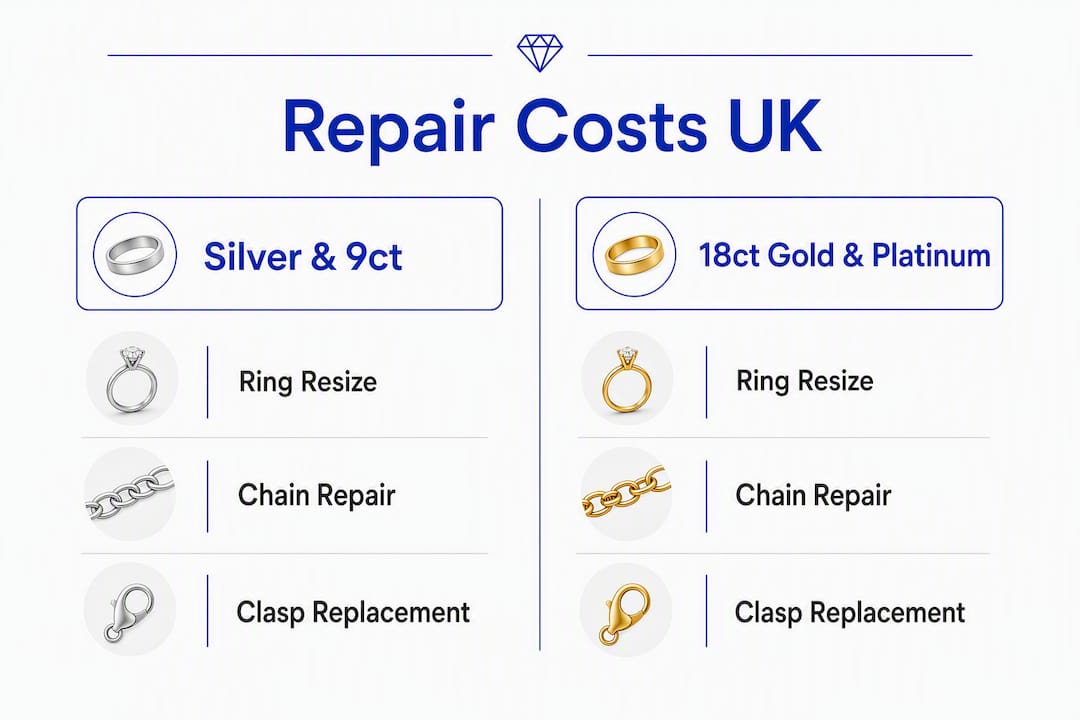
| Repair type | Silver / 9ct gold (from) | 18ct gold / platinum (from) |
|---|---|---|
| Ring resize down | £30 | £60 |
| Single chain link solder | £20 | £40 |
| Clasp replacement | £25 | £55 |
| Restring pearls (standard) | £50 | £150 |
Sources: Opulence Jewellery London price guide; The Jewellery Mechanic
The final quote always depends on metal weight, hidden damage, stone settings, and whether specialist techniques are needed. Simple solder jobs can start from around £20 for silver or 9ct gold, while the same repair in platinum typically begins at about £40, and complex platinum work can exceed £150. Laser welding, hollow-piece work, and full shank replacements all push costs higher because they demand more bench time and skill.
Pro Tip: Ask for a price cap on your estimate before you agree. A good workshop will tell you the maximum you will pay, not just a vague “from” figure, so you can decide whether to proceed without nasty surprises.
How does a nationwide mail-in repair service actually work?
The process is more straightforward than most people expect. Here is the typical workflow, step by step.
- Send clear photos. Photograph the damage from multiple angles in good natural light. Include any hallmarks if you can see them. Email or message these to the workshop and describe the problem in plain language.
- Receive a free estimate. The workshop reviews your photos and sends back a guide price. This is not the final quote (that comes after physical inspection), but it tells you whether the repair is worth pursuing.
- Pack the item securely. Wrap the piece in soft tissue, place it in a small rigid box, and seal it in a padded envelope. Tamper-evident packaging is worth using for anything valuable.
- Post via an insured, tracked service. Royal Mail Special Delivery is the standard recommendation. Declare the accurate value and keep your receipt.
- Logging and inspection on arrival. A reputable workshop photographs your item when it arrives, logs it against your enquiry, and confirms receipt. This photographic record protects both parties.
- Detailed estimate and your approval. After physical inspection, the workshop sends a confirmed quote. You approve (or decline) before any work begins.
- Bench work and quality check. The repair is carried out in-house, then inspected for finish and structural integrity. Hallmarking is applied where required by UK law.
- Insured return post. Your piece comes back via a tracked, insured service, typically with a repair note and any relevant warranty information.
Include a note in the parcel with your name, contact details, a description of the fault, and whether you want the workshop to proceed up to a specified cost cap. That one piece of paper saves a lot of back-and-forth.
Pro Tip: Photograph your item from at least four angles before it leaves your hands, and note any existing scratches or marks. If something goes wrong in transit, those photos are your evidence for an insurance claim.
How long will your repair take?
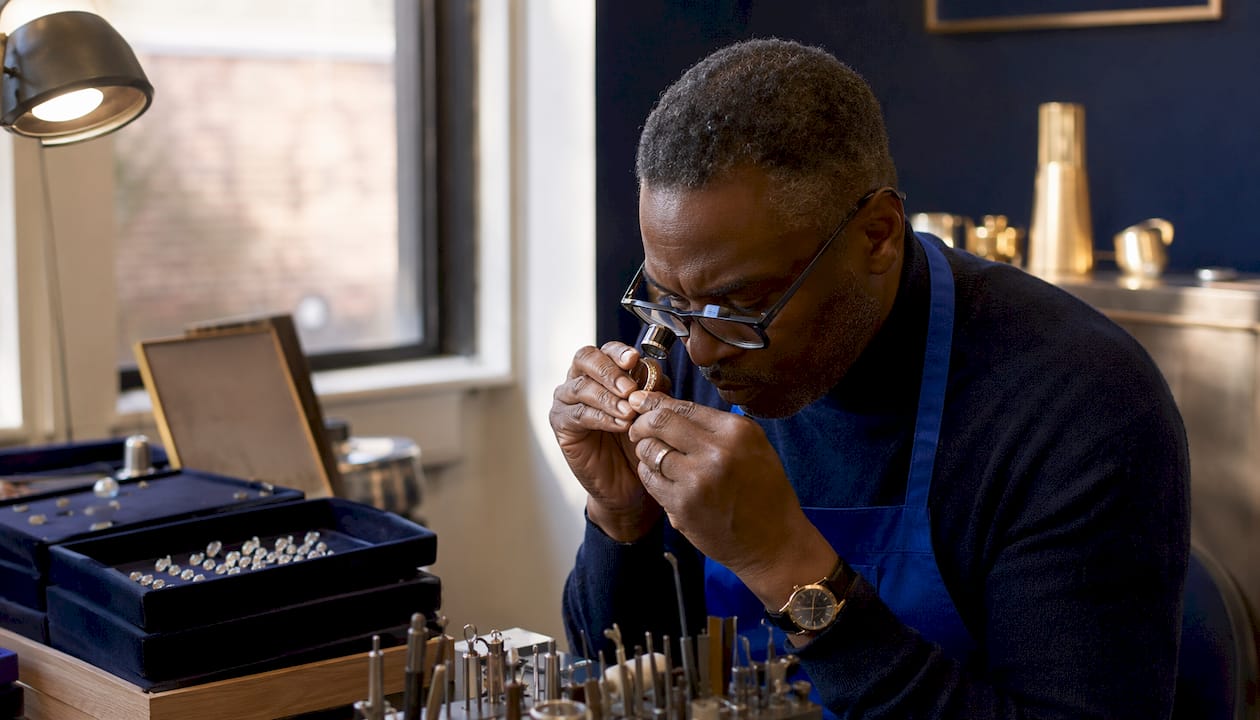
Realistically, it depends on what needs doing. Small solder jobs and simple clasp swaps generally take a few working days once the item arrives at the bench. Ring resizing and rhodium plating usually take longer. Complex restorations, vintage work, or tasks requiring specialist parts or stone sourcing can extend the lead time considerably.
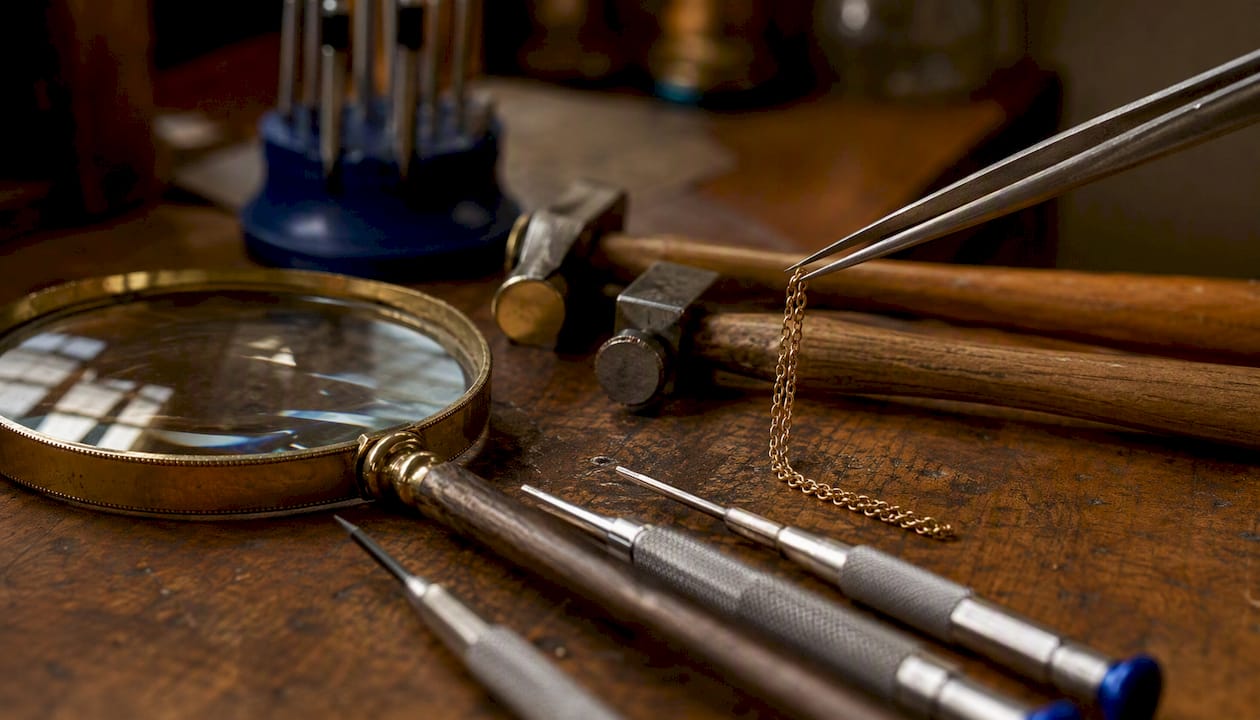
A few things reliably extend lead times: sourcing an unusual clasp or replacement stone, specialist laser welding, rhodium bath availability, and peak-season demand around Christmas and Valentine’s Day. If your piece has sentimental significance and you are not in a rush, accepting a longer lead time for a higher-quality finish is almost always the right call. Express services exist at some workshops, but they typically carry a premium and are best reserved for genuinely urgent situations.
What goes into a repair quote?
Understanding a quote makes it much easier to judge whether you are being treated fairly. The main components are:
- Labour: bench time is the biggest variable. A simple solder might take 20 minutes; a full shank replacement with stone re-setting can take several hours.
- Consumables: solder, flux, thread for restringing, polishing compounds.
- Replacement parts: clasps, jump rings, springs, replacement stones.
- Metal top-up: resizing up requires additional metal, priced by weight and alloy.
- Plating and polishing: rhodium baths and finishing add cost but transform the look.
- Hallmarking: legally required in the UK when precious metal is added or significantly altered.
- Handling and admin: some workshops charge a minimum inspection fee, especially for postal enquiries.
To make this concrete: a single broken link on a 9ct gold chain generally costs a modest amount in labour and solder. The same repair on a platinum chain typically has a higher starting price, because platinum requires higher temperatures, more skill, and specialist equipment. That gap widens further if the chain is hollow or the break is near a clasp fitting.
Workshops publish guide “price from” lists for transparency, but final quotes require inspection because metal weight, hidden damage, and stone settings materially change the cost. An “estimate” is a good-faith guide; a “confirmed quote” after inspection is what you should agree to before work starts. Some workshops charge a small inspection fee if you decline the confirmed quote, so ask about this upfront.
Pro Tip: If you have multiple repairs needed on the same piece, ask for them all at once. Combining a resize with a rhodium plate, for example, can reduce overall costs compared with two separate jobs because the handling and setup time is shared.
How do you choose a trustworthy nationwide repairer?
Not all workshops are equal, and sending a valuable piece through the post to a stranger requires some due diligence. Ask these questions before you commit:
- Do you have an in-house bench? Outsourced repairs mean your item passes through more hands and more risk.
- Do you provide insured return postage? Any reputable service covers the return journey.
- What is your hallmarking process? If metal is added or altered, UK law requires hallmarking by an Assay Office.
- Can you provide verified customer reviews? Trustpilot ratings, Google reviews, or similar third-party verification matter more than testimonials on the workshop’s own site.
- Is there a written warranty on repairs? A good workshop stands behind its work.
Red flags to watch for: vague turnaround estimates with no commitment, no insured postage policy on returns, refusal to photograph your item on arrival, and blanket “from” pricing with no willingness to inspect before confirming a cost.
Blackwelljewellers ticks these boxes. The workshop operates an in-house bench with over 20 years of trading behind it, photographs and logs items on arrival, handles insured postal returns, and provides a clear estimate workflow before any work begins. For readers ready to find quality ring repair services or send a chain or bracelet for assessment, the repairs page is the right starting point.
Pro Tip: Check whether the workshop is affiliated with a trade body such as the National Association of Jewellers (NAJ). Membership is not a guarantee of quality, but it does mean the business has agreed to a code of conduct.
When is a piece beyond economical repair?
Sometimes the honest answer is: it is not worth fixing. Severe corrosion, multiple shattered settings, or a structurally compromised shank can make repair costs exceed the piece’s replacement value. A good repairer will tell you this upfront rather than take your money.
When cracks run through the body of a ring rather than just the shank, when a chain has corroded at multiple points along its length, or when a setting has collapsed around an irreplaceable stone, the cost of restoration often outweighs the result. In these cases, a specialist conservator (rather than a standard repair workshop) may be the right call, particularly for high-value antiques, fragile enamel work, or pieces with unstable stones.
For vintage ring restoration and antique pieces, specialist conservation is a different discipline from everyday repair. If you are unsure whether your piece qualifies, a vintage jewellery collecting guide can help you understand what you have before you commit to a course of action.
If replacement is the wiser choice, the scrap or melt value of precious metal means your old piece still has worth. Pre-owned jewellery is also worth considering as a replacement route.
Practical ways to cut costs and protect your piece in transit
A few straightforward moves can reduce your bill and protect you if something goes wrong.
Cost-saving tips:
- Combine jobs on the same visit or parcel (resize + polish, or solder + clasp replacement).
- Accept repair of an existing mount rather than full replacement where the structure is sound.
- Ask whether original materials (your old clasp, your existing metal) can be reused.
- Request a price cap on your estimate so you control the maximum spend.
Insurance checklist for posting:
- Use Royal Mail Special Delivery or an equivalent insured, tracked service.
- Declare the accurate replacement value (not sentimental value, which insurers do not cover).
- Photograph the item and its packaging before sealing.
- Keep your postage receipt and tracking number until the piece is safely returned.
Home insurance covers jewellery in some policies, but limits vary and many standard policies cap individual item payouts at £1,000–£2,000. If your piece is worth more, specialist jewellery insurance is worth considering before it leaves your hands.
Pro Tip: Write the declared value on the customs/postal form accurately. Under-declaring to save on postage fees means your payout is capped at the declared amount if the parcel is lost.
Key takeaways
Nationwide jewellery repairs for rings, chains, and bracelets are genuinely accessible across the UK, with starting prices from around £20–£25 for silver/9ct gold solder work and from £40 for 18ct gold or platinum, plus a clear mail-in process that protects your piece from door to door.
| Point | Details |
|---|---|
| Send photos first | A free photo estimate tells you whether repair is worth pursuing before you post anything. |
| Use insured tracked postage | Royal Mail Special Delivery is the standard recommendation; declare the accurate value. |
| Prices vary by metal and technique | Silver/9ct starts lower; 18ct and platinum carry higher labour and material costs throughout. |
| Ask the right questions | Confirm in-house bench, insured returns, hallmarking process, and written warranty before committing. |
| Blackwelljewellers nationwide repairs | In-house bench, photographic logging on arrival, insured returns, and 20+ years of trading. |
A note from the workshop
There is something genuinely satisfying about a piece that comes in looking like a lost cause and leaves looking like it was made yesterday. At Blackwelljewellers, we have been doing this for over 20 years, and the repairs that give us the most pride are usually the ones the owner thought were beyond saving. Every item that arrives at our bench gets photographed, logged, and assessed by hand before we touch it. We do not outsource. We do not guess at a price and hope for the best. You get a clear estimate, a written guarantee on the work, and hallmarking where the law requires it. That is not us being fancy. That is just how a repair workshop should operate.
Send your piece to Blackwelljewellers for a free estimate
Twenty years of in-house bench work, insured postal returns, and a clear estimate before anything gets touched. That is what Blackwelljewellers brings to nationwide jewellery repairs for rings, chains, bracelets, and more.

Getting started takes about five minutes. Photograph your piece from multiple angles, note what the problem is (broken link, loose stone, worn claw, whatever it is), and send the details through via the jewellery repairs page. You will receive a guide estimate based on your photos, and a confirmed quote after the item arrives and is inspected. No work begins until you approve the cost. Returns travel back to you via insured, tracked post. If you are weighing up whether repair makes sense versus replacement, the second-hand jewellery collection is worth a look too. Every piece there has been through the same in-house inspection and restoration process.
Useful sources and further reading
| Source | What it covers |
|---|---|
| Opulence Jewellery London price guide | UK repair price-from examples for common services |
| The Jewellery Mechanic cost guide | Consumer-facing cost breakdowns and metal-type variables |
| Atoz Watch and Jewellery Repairs: necklace repair guide | Postal workflow, laser welding, and insured postage guidance |
| Blackwelljewellers repairs page | Nationwide mail-in service details and contact options |
| British Hallmarking Council | Official UK hallmarking standards and Assay Office guidance |
For items of uncertain precious-metal content, consult the British Hallmarking Council’s guidance or contact a UK Assay Office directly before sending for repair. Knowing what metal you have makes the estimate process faster and the final quote more accurate.