
TL;DR:
- Understanding gold karats, colours, and construction types is essential to making smart jewellery choices and avoiding costly mistakes. Higher karat gold offers more purity but less durability, while different alloys create distinct colours like yellow, white, or rose gold. Durable options for daily wear include solid gold and gold-filled pieces, whereas vermeil and plated jewellery are more affordable but require careful maintenance.
Gold jewellery is one of those purchases where a little knowledge goes a long way. Walk into any shop (or scroll through any website) without understanding the different types of gold jewellery, and you’re basically guessing. And guessing with jewellery money is rarely a great idea. Whether you’re buying a daily wear piece, a gift, or something to pass down, knowing the difference between 9K and 18K, solid gold and gold plated, rose gold and white gold will change how you shop. For good.
Table of Contents
- Key takeaways
- 1. Understanding types of gold jewellery by karat purity
- 2. Gold jewellery by colour: yellow, white, rose, and beyond
- 3. Construction types: solid, filled, vermeil, and plated
- 4. Gold jewellery for different purposes: daily wear, gifting, and investment
- 5. Clasps, care, and making your gold jewellery last
- My honest take on choosing gold jewellery
- Find your perfect gold piece with Blackwelljewellers
- FAQ
Key takeaways
| Point | Details |
|---|---|
| Karat affects durability and value | Higher karat gold is purer but softer; lower karat is more durable for everyday wear. |
| Colour comes from alloy composition | Yellow, white, and rose gold get their colour from different metal mixtures, not just gold content. |
| Construction type determines longevity | Solid gold lasts indefinitely; gold plated pieces need careful handling to preserve the surface. |
| Match type to purpose | Choose karat and construction based on how often you’ll wear it and what you’re willing to spend. |
| Maintenance protects your investment | Cleaning method and clasp choice significantly affect how long any gold piece looks its best. |
1. Understanding types of gold jewellery by karat purity
This is the big one. Karat (abbreviated K or ct in the UK) measures how much of the metal is actually gold, expressed as a fraction of 24. So 18K gold is 18 parts gold out of 24, which works out to 75% pure gold. The rest is alloy metals like silver, copper, or zinc. Those alloys aren’t filler. They serve a real purpose: they make the gold harder, more wearable, and often give it colour.
Here’s how the common karat levels stack up:
| Karat | Gold content | Typical use |
|---|---|---|
| 10K | 41.7% | Affordable everyday jewellery |
| 14K | 58.3% | Popular in the US; durable and mid-range |
| 18K | 75% | Fine jewellery, engagement rings, luxury gifts |
| 22K | 91.7% | Traditional Indian and Asian gold ornaments |
| 24K | 99.9% | Bullion, investment gold; too soft to wear |
In the UK, 9K gold (37.5% pure) is actually the most common everyday karat you’ll find on the high street. It’s not on every international chart, but it’s hallmarked and perfectly legal here. The lower the karat, the more scratch-resistant the piece, but the less rich the colour. 22K has that deep, almost orange-yellow warmth you see in traditional gold jewellery designs from South Asian cultures, where gold purity is tied closely to cultural and investment value.
Pro Tip: If you wear jewellery daily, particularly rings or bracelets, go for 9K or 14K. They take knocks far better than 18K or above. Save the higher karats for pieces worn less frequently, like a special occasion necklace.
2. Gold jewellery by colour: yellow, white, rose, and beyond
The colour of gold jewellery isn’t just about taste. It tells you something about what’s actually in the metal.
Yellow gold is the classic. It’s gold mixed with copper and silver, giving it that warm, traditional tone. The higher the karat, the richer and more saturated the yellow becomes.
White gold is gold alloyed with nickel, palladium, or manganese, then typically coated with rhodium plating. The rhodium gives it that cool, bright shine similar to platinum. Worth knowing: white gold is often rhodium-plated and that plating does wear off over time. Most jewellers will re-plate it for a modest fee, which keeps it looking sharp.
Rose gold has had a serious moment in recent years, and honestly, it still looks great. The pink tone comes from a higher copper content in the alloy. More copper means a deeper, redder hue. So “pink gold,” “rose gold,” and “red gold” are essentially the same metal with varying copper content. Rose gold is also slightly more durable than yellow gold at the same karat because copper is a tough metal.
Then there are the less common options:
- Green gold (electrum): a natural alloy of gold and silver with a subtle greenish tint, often used in vintage or artisan pieces
- Black gold: achieved through oxidation, coatings, or laser treatments; striking and modern but requires careful maintenance
Pro Tip: When choosing gold colour, hold the piece near your inner wrist, not the back of your hand. Yellow gold tends to flatter warmer skin tones; white gold and rose gold work beautifully on cooler or neutral complexions. That said, wear what you love. Fashion rules are just suggestions.
3. Construction types: solid, filled, vermeil, and plated
This is where a lot of buyers get caught out. The construction of a gold piece matters as much as its karat, because it determines how long it actually lasts.
| Type | Gold content | Durability | Best for |
|---|---|---|---|
| Solid gold | All metal is gold alloy | Decades with care | Fine jewellery, heirlooms |
| Gold filled | Min 5% gold by weight | 10-30 years | Mid-range, daily wear |
| Gold vermeil | 2.5 micron gold layer over sterling silver | 1-5 years with care | Affordable fine-look pieces |
| Gold plated | Often under 0.5 micron layer | Months to 2 years | Trend pieces, low cost |
Solid gold means the entire piece, all the way through, is made from a gold alloy. It does not mean pure 24K gold. A 9K solid gold ring is still “solid gold.” It’s just 37.5% pure gold alloyed with other metals throughout. Solid gold can be resized, repaired, and polished indefinitely.
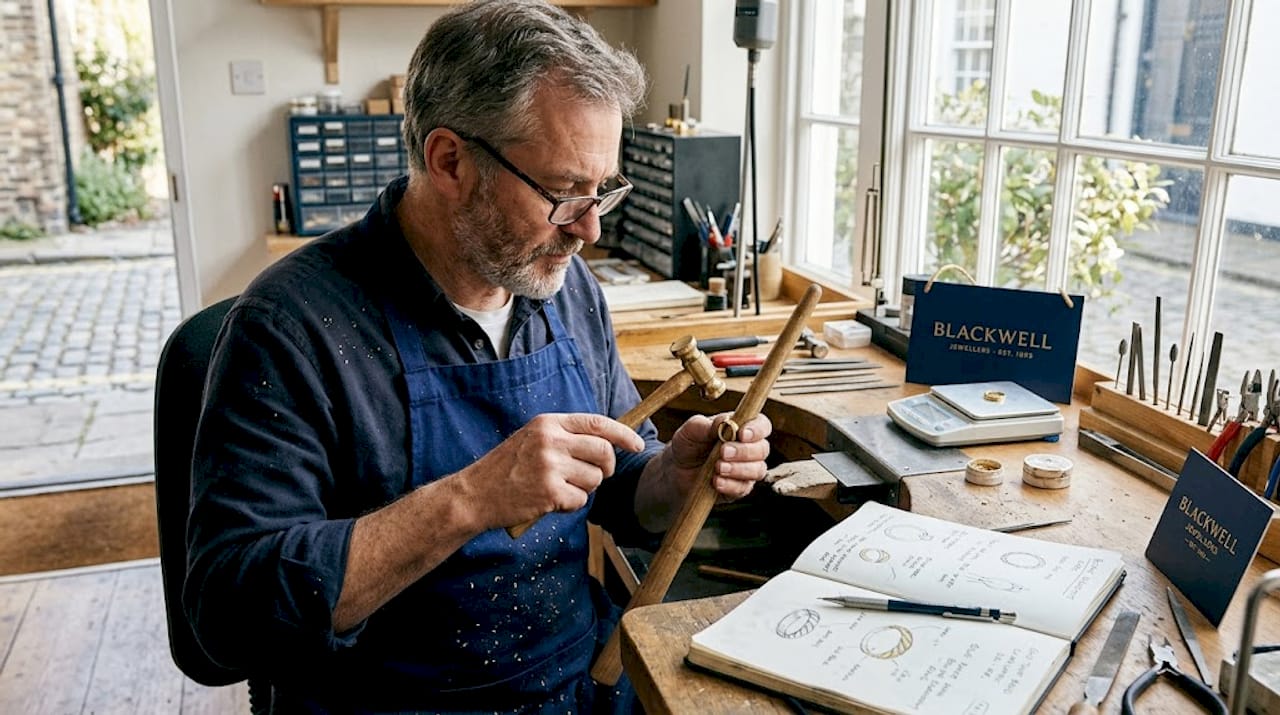
Gold filled is a mechanical bond of a thick layer of gold alloy to a base metal core (usually brass). It’s genuinely durable and looks like solid gold for years. The catch: heat soldering damages the gold-filled layer permanently. So if a gold filled ring needs resizing, you’re out of luck. It cannot be resized without destroying the gold layer.
Gold vermeil (pronounced “ver-may”) sounds luxurious and can look it too. But the term is often misused. Genuine vermeil requires a minimum of 2.5 microns of gold plating over sterling silver. Many retailers label thinner plating as vermeil, which is misleading. Always check the base metal. If it says “925” (sterling silver), you’re likely getting real vermeil.
Gold plated jewellery has the thinnest gold layer of all. It can look identical to solid gold in photos, but it wears off relatively quickly, especially on high-friction pieces like rings and bracelets. Great for affordable gold jewellery trends you don’t expect to keep forever.
Pro Tip: Ask directly: “Is this solid gold or gold plated?” Any reputable seller should answer without hesitation. If there’s vagueness or deflection, that tells you something too.
4. Gold jewellery for different purposes: daily wear, gifting, and investment
Not every gold piece needs to be a family heirloom. But it helps to match the type you buy to how you’ll actually use it. Here’s a practical breakdown:
For everyday wear:
- 9K or 14K solid gold holds up to daily life far better than higher karats
- Simple chains, stud earrings, and plain bands in solid gold are your safest choice
- Avoid hollow chains for daily wear. They kink irreversibly and can’t really be repaired
For special occasions:
- 18K gold jewellery designs in necklaces, earrings, or statement rings look stunning and are durable enough for semi-regular wear
- Gold vermeil pieces work beautifully for occasional wear at a fraction of the solid gold price
For gifting:
- 18K solid gold pieces are classic gifts that feel genuinely considered. They hold value and look the part
- For budget-conscious gifting, gold filled pieces are a smart middle ground. They look the part without the price tag
- Always include care instructions. It’s a small touch that makes a real difference to longevity
For investment:
- 22K and 24K gold ornaments hold the most intrinsic metal value, but are too soft for wearable jewellery
- If you want pieces that serve both purposes, 18K hallmarked solid gold is a strong choice for long-term value
The smart buyers guide to gold vs silver jewellery is worth a read if you’re still weighing up whether gold is the right material entirely.
5. Clasps, care, and making your gold jewellery last
You spend real money on gold jewellery. Then you throw it in a drawer with everything else and wonder why it looks scratched and tangled six months later. Sound familiar? A few simple habits make a significant difference.
On clasps: Clasp choice affects how long a chain or bracelet actually lasts in practice. Lobster and toggle clasps are the most durable options and hold up far better than spring rings under regular use. If you’re buying a gold necklace as a gift or for yourself and you plan to wear it often, check the clasp before you buy.
Cleaning tips by type:
- Solid gold: Warm water, a drop of mild washing-up liquid, soft cloth. That’s genuinely all you need. No toothpaste (it’s abrasive), no bleach.
- Gold filled: Same as solid gold, but avoid prolonged soaking. The base metal underneath can react to moisture over time.
- Gold vermeil and plated: Wipe with a dry or barely damp cloth only. No ultrasonic cleaners, no chemical dips. The gold layer is thin. Treat it accordingly.
- White gold: Professional re-plating every one to three years keeps it looking bright. Between visits, a gentle polish cloth does the job.
Regular professional inspection for solid and gold filled pieces is worth doing every year or two. A jeweller can check for worn prongs, weakened clasps, and early signs of damage before they become expensive problems. You can read more specific advice on maintaining gold jewellery for the full breakdown.
My honest take on choosing gold jewellery
I’ve seen more buyers regret gold purchases than almost anything else in jewellery, and it almost always comes down to one thing: they bought with their eyes and ignored everything else. A gorgeous rose gold vermeil ring looks exactly like an 18K solid gold ring in a photo. But three months later, one is still perfect and the other is showing base metal near the band.
My experience is that fine jewellery with precious metals genuinely rewards you over time, while fashion jewellery is a different category entirely. Neither is wrong. But mixing up which you’re buying is where the frustration happens.
What I’d tell any buyer: prioritise construction over aesthetics when budget is tight. A plain 9K solid gold chain will serve you better than an ornate gold plated statement piece. Timeless beats trendy when you’re spending real money. And if you’re building a collection, 7 to 10 well-chosen timeless pieces in solid gold will outlast anything chased purely for the season’s aesthetic.
Don’t let perfect be the enemy of good, either. A well-chosen pre-owned solid gold piece at a sensible price beats a brand-new plated piece at the same budget every single time. The sentimental value you attach to it later? That’s yours to create, regardless of whether it’s new.
— James
Find your perfect gold piece with Blackwelljewellers
Whether you’re after a classic everyday chain, a thoughtful gift, or something truly one-of-a-kind, Blackwelljewellers has you covered. With over 20 years of experience across multiple Kent stores and a full national online offering, the team knows gold jewellery inside out.

Every piece in the second-hand jewellery collection is professionally inspected, authenticated, and hallmarked before sale. So you get solid gold quality without the inflated new price. If you want something made just for you, the bespoke design service in Maidstone handles that beautifully. And if an existing piece needs attention, the jewellery repair service brings it back to its best. Real expertise, real accountability.
FAQ
What are the main types of gold jewellery by purity?
The main types are 9K (37.5%), 14K (58.3%), 18K (75%), and 22K (91.7%), each offering a different balance of gold content, colour richness, and durability. Lower karats are harder-wearing; higher karats are richer in colour and value.
What is the difference between solid gold and gold plated?
Solid gold means the entire piece is made from a gold alloy throughout, while gold plated has a very thin gold layer (often under 0.5 microns) over a base metal that wears away over time.
Is gold vermeil better than gold plated?
Yes, generally. True vermeil requires at least 2.5 microns of gold over sterling silver, making it thicker and more durable than standard gold plating, which sits over cheaper base metals.
Which gold colour suits everyday wear best?
Yellow gold in 9K or 14K is the most practical for daily use. Rose gold is similarly durable thanks to its copper content. White gold looks brilliant but requires re-plating periodically to maintain its appearance.
Can gold filled jewellery be repaired or resized?
No. Heat soldering damages the gold filled layer permanently, exposing the base metal underneath. Gold filled pieces cannot be resized without destroying the bonded gold layer.