
TL;DR:
- Most consumers want ethical jewellery, yet only a small percentage is truly recycled or responsibly sourced. Genuine sustainable jewellery relies on verified materials, transparent supply chains, and can include pre-owned or lab-grown options, significantly reducing environmental harm. Buying certified, repairable, or second-hand pieces supports a circular economy and promotes transparency in the industry.
More people than ever want to buy responsibly. Yet only 12% of jewellery sold globally is actually recycled, even though 41% of consumers say they want ethical and sustainable options. That gap tells you everything. Understanding what is sustainable jewellery properly, not just the marketing version of it, means getting past vague claims and into the real questions about materials, sourcing, and provenance. This guide covers all of that, plus practical advice on how to spot the genuine article from the greenwashed version.
Table of Contents
- Key takeaways
- What is sustainable jewellery, really?
- The real cost of traditional jewellery production
- How to identify genuinely sustainable jewellery
- The benefits of choosing sustainable jewellery
- My honest take on sustainable jewellery in 2026
- How Blackwelljewellers supports sustainable choices
- FAQ
Key takeaways
| Point | Details |
|---|---|
| Sustainability is more than marketing | Genuine sustainable jewellery requires verified sourcing, certifications, and transparent supply chains. |
| Pre-owned jewellery is highly sustainable | Buying second-hand avoids new mining entirely, making it one of the most eco-friendly choices you can make. |
| Certifications matter, but check them carefully | RJC and Fairmined are meaningful standards. Not all certifications carry the same weight. |
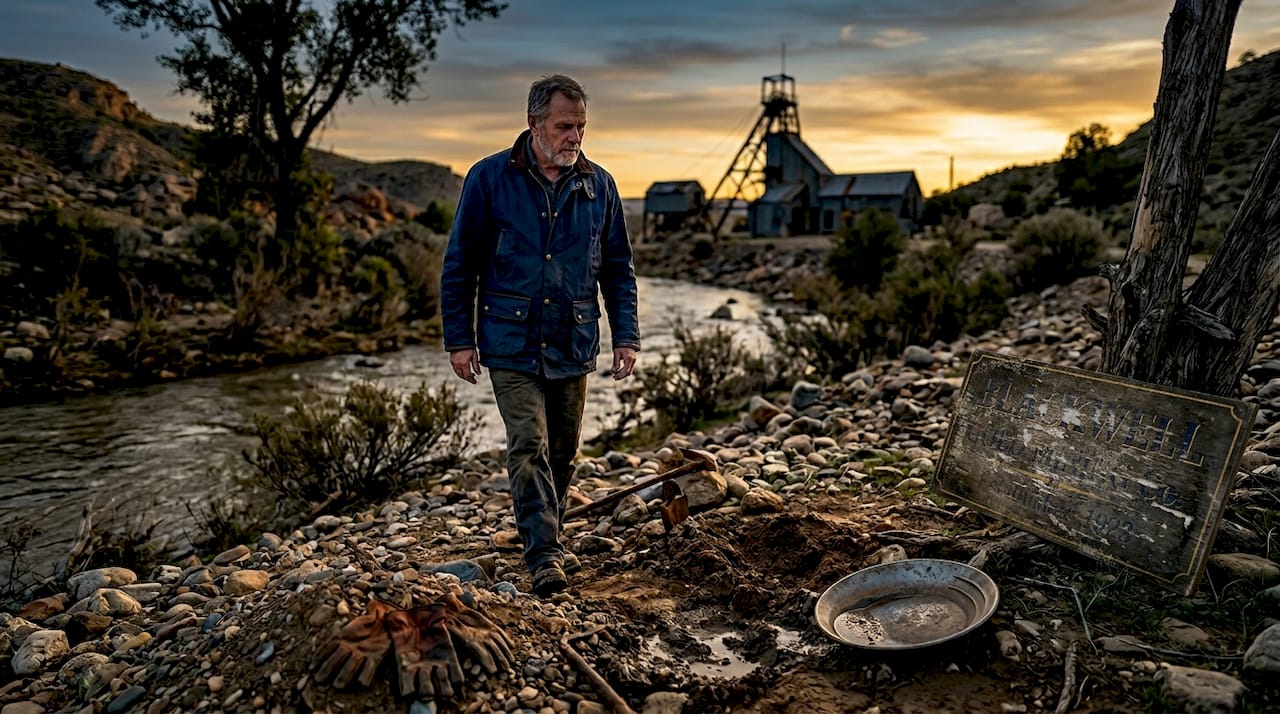
| Recycling gold has enormous environmental benefits | Recycled gold produces less than 5% of the emissions that mining the same quantity would generate. |
| You can verify sustainability before buying | Ask for documentation, look for traceability, and prioritise repairability when choosing pieces. |
What is sustainable jewellery, really?
Let’s get one thing straight: sustainable jewellery is not just jewellery sold in a linen bag with a leaf logo on it. It is jewellery that has been created, sourced, or acquired in a way that minimises harm to the environment and to the people involved at every stage of its life. That includes where the metal came from, how the stones were sourced, how the piece was made, and what happens to it when you no longer want it.
The term covers a few different approaches, and they are not mutually exclusive:
- Recycled metals. Gold, silver, and platinum can all be recovered from existing jewellery, electronics, and industrial scrap. Recycling gold generates less than 5% of the greenhouse gas emissions produced by mining the same weight of new metal. The recovery rate from scrap gold is over 95%, which is extraordinary compared to most materials.
- Lab-grown diamonds and synthetic stones. These are chemically identical to mined stones but produced in controlled environments. 27% of diamond sales now involve lab-grown stones, and that number is growing fast. They sidestep the most destructive aspects of diamond mining entirely.
- Ethically mined materials. Not all mining is equal. Certifications like Fairmined verify that gold has been extracted by small-scale miners operating under fair labour and environmental conditions. You can also look for stones sourced under schemes designed to trace origin.
- Pre-owned and vintage jewellery. No new mining, no new manufacturing emissions, no new waste. Just a piece with a history, often at a better price. This is arguably the most sustainable option of all, and it is undervalued.
“True sustainability requires looking beyond marketing claims to verify if a brand operates within a recognised framework covering ethics and environment.” This is not a high bar, but it does require sellers to actually show their working.
On the certification side, RJC accreditation covers business ethics, human rights, and environmental performance across the entire supply chain, verified by independent audits. It is a serious standard, not a green badge you buy with a subscription. The Kimberley Process, which governs conflict diamonds, is more limited. It only covers diamonds funding rebel movements, which means plenty of diamonds with genuinely problematic origins still pass through it. Worth knowing.
If you want to explore ethical diamond alternatives before committing to a purchase, there is more guidance on lab-grown and sustainable gemstone options worth reading.
The real cost of traditional jewellery production
Here is a number that tends to stop people in their tracks. A single gold wedding band, produced through conventional mining methods, can generate up to 20 tonnes of toxic waste. Twenty tonnes. For one ring. That waste includes cyanide, mercury, and arsenic, which contaminate waterways and soil for decades.
Beyond toxic waste, traditional mining causes biodiversity loss, deforestation, and significant water consumption. The social picture is no better. Many mining operations, particularly in parts of Africa, South America, and Southeast Asia, involve poor labour conditions, wage theft, and in the worst cases, child labour.
| Issue | Traditional jewellery production | Sustainable alternative |
|---|---|---|
| Greenhouse gas emissions | High, especially from gold mining | Recycled gold produces under 5% of equivalent emissions |
| Toxic waste | Up to 20 tonnes per wedding band | Near zero with recycled or lab-grown materials |
| Labour conditions | Inconsistent, often exploitative in supply chains | Monitored under Fairmined, RJC, or fair trade frameworks |
| Resource consumption | Extremely water and energy intensive | Significantly reduced with recycled metals |
| Circular economy fit | Low, most jewellery not recycled after use | High potential, especially with pre-owned and repair models |
The circular economy angle is genuinely exciting. Gold recycling in India increased by 30% in FY25, while new gold purchases dropped by 30% over the same period. That is a genuine cultural shift, not just a niche trend.
Pro Tip: If you already own gold jewellery you no longer wear, it can often be melted down and used to create something new. This is one of the most direct ways to close the loop on your own consumption.
How to identify genuinely sustainable jewellery
This is where most guides let you down by staying vague. So here is something more concrete.
- Ask about the metal’s origin. Was it recycled? If so, from what source? “Recycled” can mean anything from factory scrap to responsibly reclaimed jewellery. Specifics matter.
- Ask about stone sourcing. Is it lab-grown? If mined, which country, under which certification? “Conflict-free” based on the Kimberley Process alone is a very low bar.
- Request documentation. Reputable brands make documentation easy to access. If a seller cannot produce assay reports, supplier statements, or certification paperwork without significant pushing, treat that as a red flag.
- Look for traceability tools. Some jewellers now use blockchain for provenance tracking, recording each step in the supply chain. This is not universal yet, but it is a meaningful differentiator when you find it.
- Consider repairability. Modular, classic designs that can be resized, reset, or repaired extend a piece’s life significantly. Sustainability is not only about how something was made. It is about how long it lasts and whether it can be looked after properly.
- Think about pre-owned jewellery. Buying pre-owned from a reputable seller who inspects, authenticates, and restores pieces means you are getting something with verified history and zero new mining footprint. Read more about quality refurbishment practices to understand what good looks like.
Pro Tip: When a brand claims sustainability but makes that information hard to find, the difficulty is the message. Transparent sellers do not hide their supply chain data.
The question of local jewellery sourcing is also worth your attention. Shorter supply chains are easier to audit and generally carry fewer unknowns about conditions at each stage.
The benefits of choosing sustainable jewellery
So why actually bother? Let’s be honest: sustainable jewellery can cost more upfront (though pre-owned often works in the opposite direction). Here is what you get in return.
- Reduced environmental footprint. Using recycled metals and lab-grown stones instead of newly mined materials cuts emissions, toxic waste, and habitat damage substantially. These are not marginal gains.
- Support for fair labour. Choosing certified pieces means the people who extracted or processed the materials were paid fairly and worked in safe conditions. That matters, even when you never meet them.
- Greater transparency. Knowing where your jewellery came from is genuinely satisfying in a way that vague “ethically sourced” stickers are not. You can tell the story of the piece because you actually know it.
- Better durability and resale value. Certified and high-quality sustainable pieces hold their value well. Younger buyers in particular prioritise sustainability and storytelling when purchasing jewellery, which means the resale market for these pieces is healthy and growing.
- Emotional significance. There is something qualitatively different about wearing a piece you know was made without causing harm, or that has been worn before and carries genuine history. It is hard to quantify and easy to underestimate.
Pre-owned jewellery, specifically, deserves a mention here. The reason why pre-owned jewellery is sustainable comes down to one simple fact: buying it creates zero demand for new extraction. Full stop. A second-hand diamond ring that has been authenticated and restored is as beautiful as a new one, with a traceable history and no new environmental cost attached. That is a genuinely compelling argument, and more people are starting to see it.
My honest take on sustainable jewellery in 2026
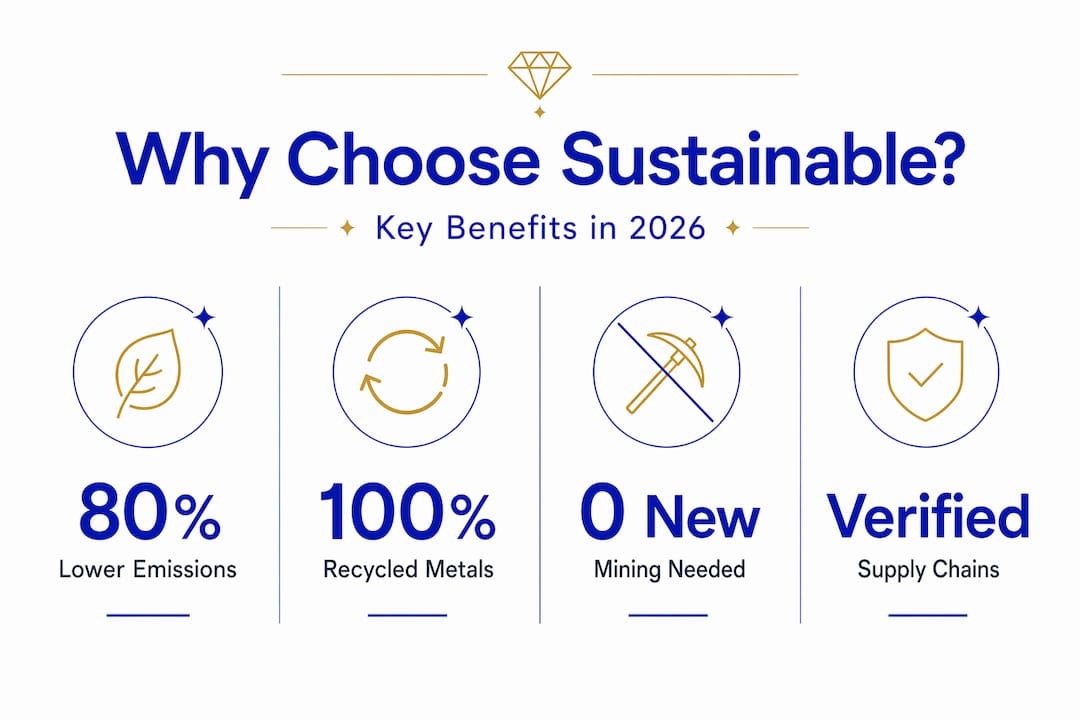
I have been around jewellery long enough to be deeply sceptical of the word “sustainable” on its own. It has been stretched to cover everything from a brand using recycled tissue paper in their packaging to genuinely overhauling their entire supply chain. The difference between those two things is enormous, and it is mostly invisible to the casual buyer.
What I have found is that the brands doing this properly are not usually the loudest about it. They quietly show you their RJC audit reports. They tell you which mine a stone came from. They explain their repair process without being asked twice. Consumers increasingly demand full supply chain transparency from the brands they trust, and the brands that genuinely deliver it do not need to shout.
The uncomfortable truth about this industry is that most of it is still built on opacity. You are expected to trust without verifying. I think that is changing, partly because buyers are asking better questions, and partly because pre-owned and recycled jewellery have become genuinely attractive rather than just worthy alternatives.
If I were advising someone buying a significant piece today, I would tell them to look at second-hand first. Not because it is the righteous choice (though it is), but because pieces that have survived decades of wear have already proven their quality. That is worth something tangible, not just something moral. Be intentional about what you buy and who you buy it from. Your purchase is a vote, and votes add up.
— James
How Blackwelljewellers supports sustainable choices
If you have read this far and you are thinking about where to actually buy, Blackwelljewellers has been doing the sustainable jewellery thing properly for over 20 years, long before it became a buzzword. Every piece in the pre-owned collection is rigorously inspected, authenticated, hallmarked, and restored by expert jewellers before it goes on sale.
Browse the pre-owned jewellery collection for gold, silver, and diamond pieces that carry real provenance and zero new mining footprint. If you have your own gold and want to create something new, the bespoke design service in Maidstone works with ethically sourced materials and your existing pieces. And if something you already own needs attention, the jewellery repair service extends the life of pieces you love rather than replacing them. Sustainable jewellery does not need to be complicated. It just needs to start somewhere sensible.
FAQ
What makes a piece of jewellery truly sustainable?
Sustainable jewellery uses recycled metals, ethically sourced or lab-grown stones, and verified supply chains, backed by recognised certifications such as RJC or Fairmined. Transparency about provenance is the clearest indicator of genuine sustainability.
Is pre-owned jewellery more sustainable than new?
Yes. Buying pre-owned jewellery creates no demand for new mining and no new manufacturing emissions, making it one of the most eco-friendly jewellery options available. Authenticated second-hand pieces from reputable sellers carry verified history and wearable quality.
Are lab-grown diamonds a sustainable choice?
Lab-grown diamonds are chemically identical to mined stones and avoid the most environmentally damaging aspects of diamond extraction. They now account for 27% of diamond sales globally, reflecting growing consumer confidence in them as a credible alternative.
How do I know if a sustainability claim is genuine?
Ask for documentation such as assay reports, certification paperwork, or supplier statements. Reputable sellers make this information easy to access. If a seller struggles to produce it, that tells you something important about their supply chain.
Can repairing jewellery count as a sustainable choice?
Absolutely. Repairing and restoring jewellery extends its lifespan and reduces the need to buy new pieces. Design for longevity, including classic styles that can be resized or reset, is a recognised part of sustainable practice in the industry.