
TL;DR:
- Most sellers feel uncertain about gold valuation, risking lower offers when selling without proper knowledge.
- Preparing, researching market prices, and comparing multiple buyers can maximize your sale returns and ensure fair deals.
Selling gold should feel like a win. Instead, for most people, it feels a bit like turning up to a car boot sale without knowing what anything’s worth, then accepting the first offer from a bloke who knows exactly what it’s worth. Frustrating, right? The good news is that armed with the right knowledge, you can walk into any sale confident, prepared, and far less likely to leave money on the table. This guide walks you through everything from understanding gold pricing to navigating UK tax rules, so you get a fair deal every time.
Table of Contents
- Understand gold value and pricing basics
- Prepare your gold for sale
- Find reputable buyers and compare offers
- Navigate taxes and legal considerations
- What most sellers overlook when selling gold
- Connect with trusted gold specialists for the best price
- Frequently asked questions
Key Takeaways
| Point | Details |
|---|---|
| Know gold’s true value | Understanding purity, weight, and market rates puts you in control of selling price. |
| Preparation increases offers | Presenting clean, well-documented items leads to better offers from buyers. |
| Compare multiple buyers | Getting quotes from several reputable buyers ensures you avoid underpricing. |
| Tax awareness matters | Most sales are tax-free below £6,000, but check rules for higher-value transactions. |
| Trust and transparency | Choosing ethical buyers and asking for written receipts protects your interests. |
Understand gold value and pricing basics
Let’s get the fundamentals sorted first, because this is where most sellers fall flat. Gold isn’t just gold. Its value depends on a few very specific things, and if you don’t know what they are, you’re essentially negotiating blind.
Purity and carats. Gold purity is measured in carats (ct) or fineness. Pure gold is 24ct (or 999 fine). Most jewellery in the UK is 9ct, 18ct, or 22ct. The higher the carat, the higher the purity, and therefore the higher the value per gram. Simple enough.
Weight. Gold is weighed in troy ounces (for trading purposes) or grams (for everyday selling). The spot price (the live market price for gold at any given moment) is always quoted per troy ounce. When a dealer offers you a price, they start with the spot price and work backwards. Knowing the current spot price before any meeting is genuinely useful.
Here’s a rough idea of what you’re working with:
| Carat | Purity (%) | Typical % of spot price offered |
|---|---|---|
| 24ct (bullion) | 99.9% | 97-99% |
| 22ct | 91.7% | 75-85% |
| 18ct | 75% | 65-80% |
| 9ct | 37.5% | 50-65% |
As the experts at Metals Alpha explain, investment bullion gets near-spot (97-99%), whilst scrap gold and jewellery fetch less due to refining costs. That gap matters enormously when you’re trying to maximise your return.
Hallmarks. These tiny stamps on your jewellery are your best friend. They legally confirm the gold’s purity and origin, making it far easier for buyers to trust the item. Unmarked gold isn’t unsellable, but it makes buyers nervous and often leads to lower offers. Most reputable dealers will test unmarked gold for free, so there’s no excuse not to get it checked.
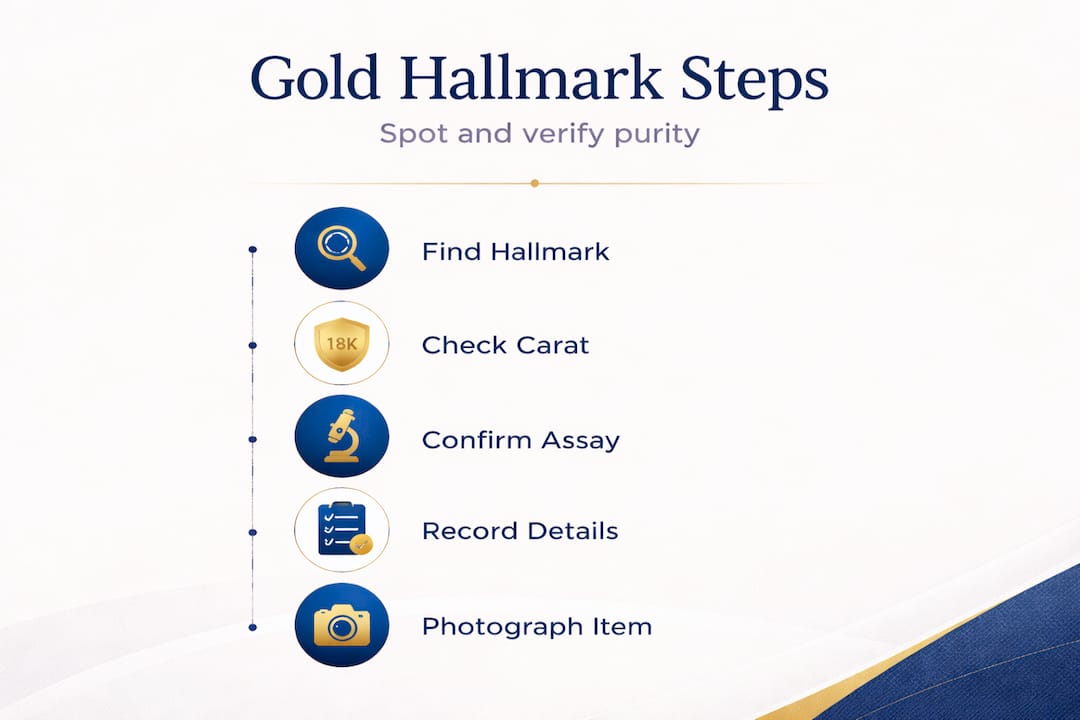
If you’re not sure how to start valuing gold at home, there are practical steps you can take before approaching any buyer. And whilst you’re at it, it’s worth knowing about spotting fake gold so you can present your items with full confidence.
Pro Tip: Check the live gold spot price using a site like Kitco or BullionVault before any appointment. Even a rough awareness of “gold is currently around £X per gram” means you can immediately sense whether an offer is reasonable or insulting.
Prepare your gold for sale
Once you know what your gold is worth, preparing it carefully makes a significant difference. I know it sounds a bit fussy, but presentation really does affect how much you’re offered.
-
Clean your gold. Not obsessively, and not with anything abrasive. A gentle clean with warm soapy water and a soft cloth removes surface grime and makes items look their best. A tidy piece reads as a cared-for piece, and that matters to buyers.
-
Sort items by type and carat. Don’t arrive with a mixed bag and expect the buyer to do all the work. Separating 9ct from 18ct, chains from rings, jewellery from bullion, means you’re in control of the conversation from the start.
-
Document your hallmarks. Photograph each hallmark clearly, ideally with natural light or a macro lens. This is your proof. If a buyer tries to dispute the purity of an item, you have photographic evidence to refer back to.
-
Gather any paperwork. Receipts, certificates of authenticity, valuations from previous appraisals… all of it helps. You don’t always have these, and that’s fine, but if you do, bring them.
-
Weigh your items. Use a digital kitchen scale if you have one. Knowing the approximate weight in grams means you can do rough mental calculations during negotiations. Buyers respect sellers who’ve done their homework.
“Unmarked gold must be tested before a legal sale. Most UK dealers offer free acid or electronic testing, so don’t let unmarked items put you off. Just ask.” How to sell gold UK
It’s also worth thinking about maintaining gold jewellery as a long-term habit. Items that have been well cared for simply look better and hold more appeal, whether you’re selling or not. When you’re actively researching where to go, a thorough read of the best place to sell jewellery in the UK will help you set realistic expectations across different channels.
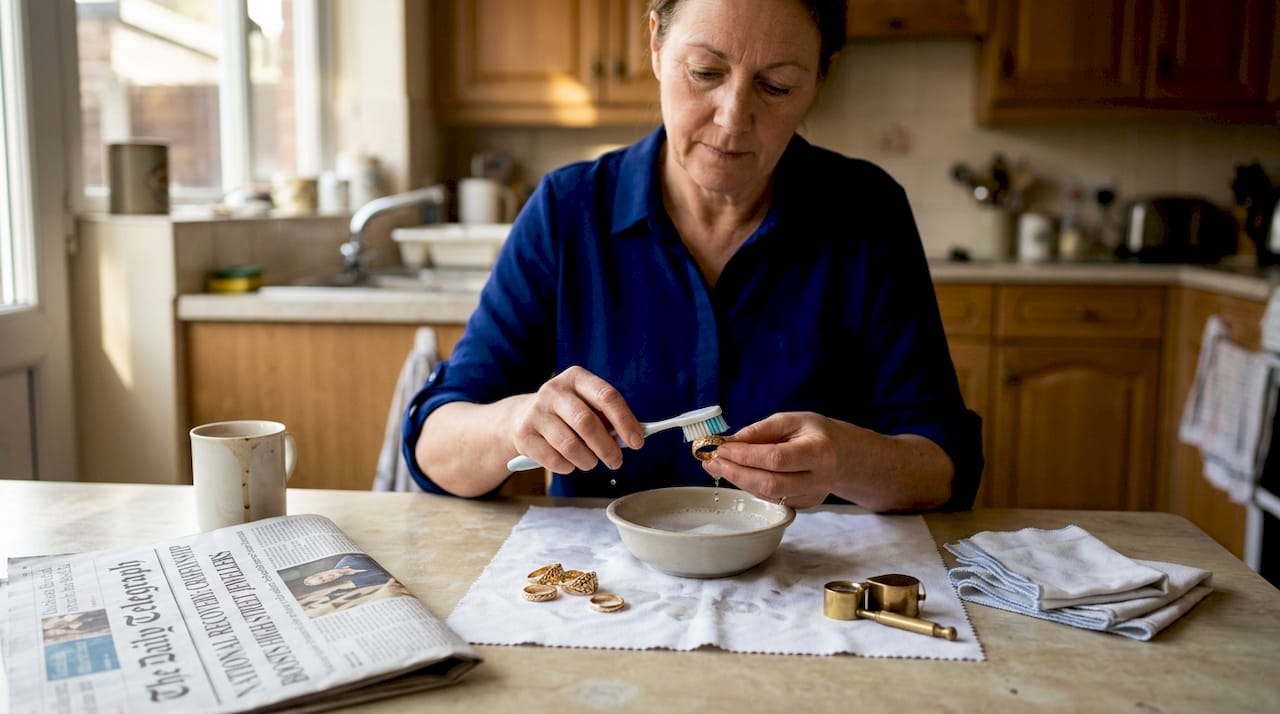
Pro Tip: Never clean gold jewellery with toothpaste or baking soda. Both are mildly abrasive and can cause tiny scratches that dull the surface finish. Stick to warm water and a soft cloth.
Find reputable buyers and compare offers
Right. Your gold is sorted, photographed, and weighed. Now comes the part most people skip in their eagerness to get it done: actually shopping around.
Comparing offers isn’t just nice to have. It’s the single most effective thing you can do to increase your return. The price difference between the worst and best offer on the same item can be staggering, sometimes 20-30% or more.
Where to sell: High street jewellers, specialist gold dealers, online gold buyers, auction houses, and pawnbrokers all have different pricing models. Each has pros and cons depending on your gold type and urgency.
| Buyer type | Typical offer (% of spot) | Speed | Trust/transparency |
|---|---|---|---|
| Specialist gold dealer | 75-90% | Same day | High |
| High street jeweller | 65-80% | Same day | High |
| Online gold buyer | 60-80% | 2-5 days | Variable |
| Auction house | 70-90% (minus fees) | Weeks | High |
| Pawnbroker | 50-70% | Same day | Medium |
Things to watch out for:
- Dealers without credentials. Look for membership of the National Association of Goldsmiths (NAG) or the British Jewellers’ Association (BJA). These aren’t just badges; they indicate accountability.
- Unrealistic high offers. If someone quotes you significantly more than everyone else, ask why. Hidden deductions often appear later.
- No written offer. Any legitimate buyer will provide a written offer before you hand over your gold. If they won’t, walk away.
- Pressure tactics. “This offer expires in ten minutes” is a manipulation tactic. Reputable buyers give you time to decide.
For guidance on identifying ethical sellers in your area, take a look at advice on trusted gold buyers and explore your options when considering where to sell gold for the best price. There are also some excellent tips for getting the best price that are worth reading before you commit to anyone.
The golden rule (pun entirely intended) is to get at least three offers before deciding. Three gives you a realistic sense of the market for your specific items.
Navigate taxes and legal considerations
Once you’re confident in your buyer and offer, it’s important to understand the legal and tax implications. This bit sounds dull but getting it wrong is far more painful than reading about it in advance.
The good news: most casual sellers won’t owe a penny in tax. Here’s how it works.
Gold and jewellery are classified as “chattels” (tangible personal property) under UK tax law. The key rule is that personal possession sales under £6,000 are generally exempt from Capital Gains Tax (CGT). So if you’re selling Nan’s old gold chain for £400, you don’t need to file anything.
However, CGT does kick in for higher-value items. Here’s a quick overview:
- Sales proceeds under £6,000 per item: Exempt from CGT (chattels exemption).
- Sales proceeds over £6,000 per item: CGT may apply on the gain (the profit, not the full sale price).
- Investment gold (bullion coins and bars): Different rules apply; CGT is more likely to be relevant here.
- Annual CGT allowance: Currently £3,000 for the 2025/26 tax year. Any gain above this threshold may be taxable.
What you should always do, regardless of value:
- Get a written receipt from your buyer with the price paid, date, and item description.
- Check your buyer is registered with HMRC if they’re a business (legally required for dealers purchasing precious metals).
- Keep records of what you sold, to whom, and for how much. Even informally, this protects you.
If you’re selling multiple items or something of significant value, it genuinely pays to read up properly on selling gold for highest value before proceeding, just to make sure you’re not caught off guard.
What most sellers overlook when selling gold
Here’s where I want to be a bit honest with you, because most guides stop at the practical steps and call it a day. But there’s a mindset thing going on with gold sales that nobody talks about, and it costs people real money.
The biggest mistake? Rushing. Sellers rush because they feel awkward about the process, or they need cash quickly, or they simply don’t enjoy negotiating. And buyers know this. The entire “quick cash for gold” industry is built on the fact that sellers will take less in exchange for speed and simplicity.
The second mistake is assuming the first offer is fair. It rarely is. Not because buyers are dishonest (some are, most aren’t), but because buyers make their best margin when sellers don’t compare. When you walk in with three competing quotes, the entire dynamic changes. Suddenly, you’re not a nervous seller; you’re a client who’s done their homework.
The third mistake is undervaluing presentation and information. If you arrive with a sorted, clean, hallmarked, photographed collection of items and a note of the current spot price, you’re signalling to the buyer that you know what you’re doing. That alone tends to result in better offers. Buyers are more careful when they know the seller is informed. It’s not confrontational; it’s just how it works.
The best way to sell gold jewellery isn’t really about a specific platform or buyer type. It’s about showing up prepared and refusing to be hurried. The sellers who consistently get the best prices aren’t the ones who know the most technical details; they’re the ones who are simply willing to take their time and ask better questions.
So slow down. Prepare well. And never accept the first offer without at least checking it against the spot price.
Connect with trusted gold specialists for the best price
If all of this sounds like a lot to navigate on your own, that’s exactly why it helps to work with specialists who prioritise transparency from the start.

At Blackwell Jewellers, we’ve been buying, selling, and valuing gold for over 20 years across our Kent stores in Maidstone, Gravesend, and Bexleyheath, as well as nationally online. We offer honest, straightforward valuations with no pressure and no hidden deductions. Browse our second hand jewellery catalogue to understand the market, explore our jewellery repairs service if your items need attention before sale, or consider our pawnbroking option if you’d prefer a short-term loan against your gold rather than an outright sale. Whatever route suits you, we’re here to make it a fair one.
Frequently asked questions
How can I tell if my gold will fetch a high price?
Gold with clear hallmarks, higher purity, and good condition typically sells for more; investment bullion fetches near-spot (97-99%), whilst jewellery and scrap pieces tend to receive a lower percentage due to refining costs.
Do I need to pay tax when selling gold in the UK?
Most personal sales are not subject to Capital Gains Tax; sales under £6,000 per item are generally exempt under the chattels rule, but you should check the rules for higher-value or investment gold.
Should I clean my gold before selling?
Yes, a gentle clean with warm soapy water and a soft cloth improves presentation and can positively influence the offer you receive from buyers.
What documents should I bring when selling gold?
Bring any receipts, original certificates, or previous valuations if you have them; if not, clear photographs of each hallmark and a note of approximate weights are the next best thing.
Is it safer to sell gold to a jeweller or online?
Reputable high street jewellers generally offer more transparent, accountable transactions than online buyers, where hidden charges and postal risks can reduce both your return and your peace of mind.
Recommended
- How to value your gold in the UK: get the best price – blackwellonline
- Top Tips for Getting the Best Price When Selling Your Gold – blackwellonline
- How to sell gold in the UK for the highest value – blackwellonline
- Best Way To Sell Gold Jewellery in the UK (2025 Guide) – blackwellonline
- How to identify and buy premium gold jewelry – Baker Gold Chains