
TL;DR:
- Choosing reputable online or specialist buyers can maximize gold sale returns.
- Comparing quotes and understanding gold purity and market timing boosts profit.
- Ethical selling supports environmental causes and ensures transparency in gold recycling.
Selling gold in the UK sounds straightforward until you realise how much money you can leave on the table by choosing the wrong buyer. Many sellers accept the first offer they receive, unaware that gold buyers’ margins can vary significantly depending on the method and buyer. Whether you have old jewellery, scrap gold, coins, or bullion, the difference between a poor deal and a great one often comes down to preparation and knowing your options. This guide walks you through everything: what affects your gold’s value, how to compare UK selling methods, how to send gold safely, and how to sell ethically without sacrificing price.
Table of Contents
- What to know before you sell gold in the UK
- Comparing UK gold selling options: Online, high street, and specialist buyers
- Step-by-step: How to prepare and send your gold for a safe sale
- Ethical and specialist gold selling: How to maximise value and do good
- The uncomfortable truth about selling gold in the UK: Why shopping around is non-negotiable
- Connect with trusted gold and ethical jewellery experts
- Frequently asked questions
Key Takeaways
| Point | Details |
|---|---|
| Know your gold type | Different items fetch different rates, so identify if you’re selling jewellery, scrap, coins or bullion. |
| Compare offers | Always get three or more quotes and use online comparisons to ensure you don’t lose out. |
| Choose reputable buyers | Select insured and highly reviewed postal buyers or specialist jewellers for the best rates and safety. |
| Go ethical if possible | Selling to ethical or recycling-focused firms helps the planet and may support charities. |
What to know before you sell gold in the UK
Before you accept any offer, you need to understand what you actually have. Gold comes in several forms, and each one attracts a different type of buyer and a different payout rate. The most common items people sell are gold jewellery, scrap gold, gold coins, and bullion bars. Each has its own market, and mixing them up can cost you real money.
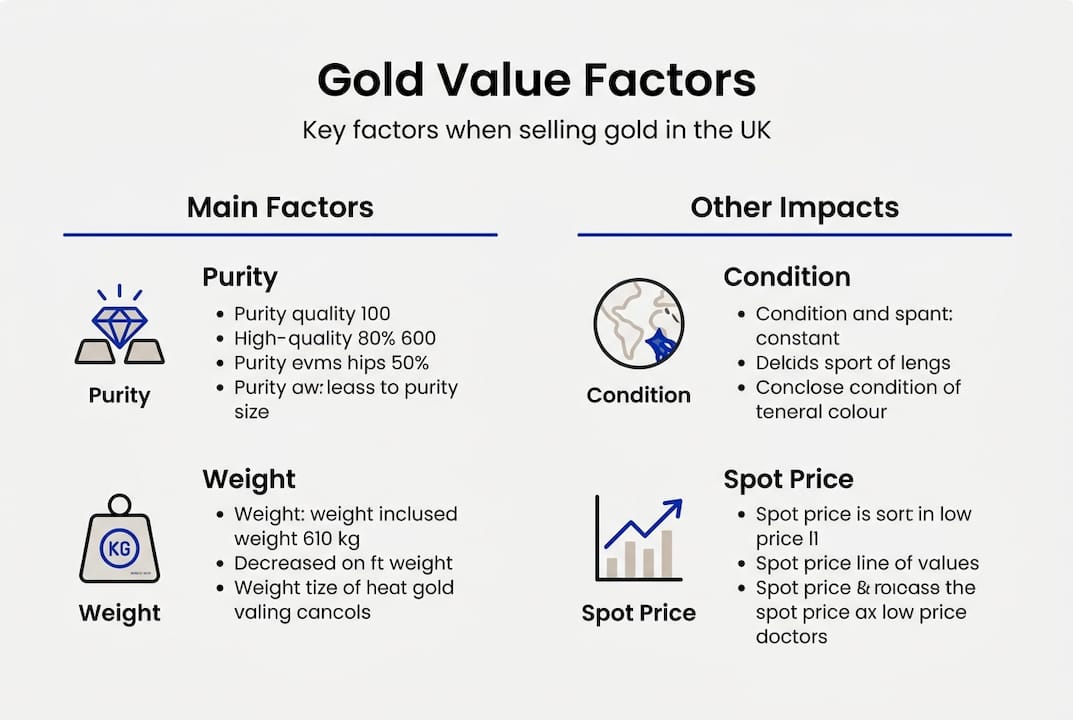
The value of your gold depends on four main factors: purity, weight, condition, and the current spot price. Purity is measured in carats, with 24ct being pure gold, 18ct being 75% gold, and 9ct being 37.5% gold. Weight is measured in grams or troy ounces. Condition matters more for jewellery than scrap, and the spot price fluctuates daily, so timing your sale can make a meaningful difference.
| Type of gold | Typical payout | Best selling route |
|---|---|---|
| Gold jewellery | 75–90% of spot | Online postal or specialist buyer |
| Scrap gold | 70–85% of spot | Online postal buyer |
| Gold coins | 85–98% of spot | Specialist or Royal Mint |
| Bullion bars | 90–98% of spot | Specialist or Royal Mint |
Reputable UK gold buyers offer 75–98% of spot price depending on what you sell, so understanding which category your gold falls into is the first step to a fair deal.
Several variables can boost or reduce your offer:
- Higher purity (18ct or 24ct) attracts better rates than 9ct
- Heavier items often yield proportionally better offers
- Named designer pieces may fetch more through auction or specialist resale
- Poor condition reduces value for jewellery but not for scrap
- Selling during high spot prices increases your payout
- Choosing a buyer with low margins means more money for you
For a detailed breakdown of how purity and weight interact, the gold value per gram guide from Blackwell Jewellers is a useful starting point. You can also value your gold before approaching any buyer.
Pro Tip: Use a digital kitchen scale to weigh your gold at home, then check the hallmark stamped inside rings or on clasps. Common UK marks include 375 (9ct), 585 (14ct), and 750 (18ct). This gives you a baseline figure before any buyer quotes you.
Comparing UK gold selling options: Online, high street, and specialist buyers
Now that you know what affects price, it is time to compare all your selling options. There are three main routes in the UK, and each suits a different type of seller.

Online postal buyers are often the highest-paying option for jewellery and scrap gold. You request a free postal pack, send your gold via insured Royal Mail Special Delivery, and receive an offer within 24 hours. If you decline, your gold is returned free of charge. Online buyers like GoldSell and Hatton Garden Buyers pay up to 98% for jewellery, making them hard to beat on price. The main risk is the brief period when your gold is in transit, though reputable services use full insurance.
High street buyers include pawnbrokers, jewellers, and cash-for-gold shops. The advantage is instant cash and the ability to negotiate face to face. The downside is that in-person options pay less on average than postal specialists. That said, if you have a high-value piece and strong negotiation skills, a specialist jeweller may surprise you.
Specialist buyers are the best route for bullion, rare coins, or designer jewellery. They have the expertise to assess condition and provenance accurately, which can significantly increase your offer. For bullion specifically, the Royal Mint gold selling programme is one of the most trusted options available.
| Method | Pros | Cons | Typical payout |
|---|---|---|---|
| Online postal | High rates, insured, fast | Brief transit risk | 85–98% of spot |
| High street | Instant cash, face-to-face | Lower rates | 70–85% of spot |
| Specialist buyer | Expert valuation, best for bullion | May need appointment | 88–98% of spot |
“Expect 80–98% of the spot price from reputable buyers. Anything below 75% should prompt you to walk away and seek a second opinion.”
For a side-by-side breakdown, comparing UK gold buyers using a dedicated comparison tool is worth doing before committing. You can also read more about finding the best price for selling gold and the best way to sell gold jewellery specifically.
Pro Tip: Always get at least three quotes before accepting any offer. Read buyer reviews on Trustpilot and check whether they use XRF testing, which is the most accurate method for assessing gold purity.
Step-by-step: How to prepare and send your gold for a safe sale
Once you have chosen your selling route, here is exactly how to prepare your gold and what happens next. Following these steps reduces risk and ensures you receive the best possible offer.
- Sort and identify your items. Separate jewellery, coins, and scrap. Check each piece for hallmarks and note the carat.
- Weigh everything at home. Use a digital scale accurate to 0.1g. Record the weight of each item separately.
- Photograph every item. Take clear photos from multiple angles before packaging. This protects you if there is any dispute.
- Request a free postal pack. Most reputable buyers send a prepaid, insured pack. Order a free insured postal pack and send your gold for independent assay, then receive an offer or a free return.
- Complete the declaration form. You will need to confirm ownership and provide ID. ID is required for anti-money laundering checks, and fees may apply for very small parcels.
- Send via Royal Mail Special Delivery. This provides tracking and up to £750 insurance as standard per parcel, which covers most personal gold sales.
- Review the offer. You typically have 24 to 48 hours to accept or decline. Never feel pressured to accept immediately.
For guidance on assessing your items before sending, the at-home gold valuation guide is a practical resource. You will also find useful tips for getting a better gold price before you commit to any buyer.
The full Cash for Gold process is also worth reviewing if you want to understand how reputable buyers handle your items from receipt to payment.
Pro Tip: Always read the small print around minimum parcel values and rejection fees. Some buyers charge a handling fee if you decline their offer, which can eat into your return if you are selling a small amount.
Ethical and specialist gold selling: How to maximise value and do good
Beyond selling for cash, there are also ways to do good with your gold. Ethical gold selling is growing in the UK, and it is not just a feel-good option. It can also deliver competitive payouts while reducing environmental harm.
Every gram of recycled gold prevents new mining. To put that in perspective:
“Producing a single gold ring generates approximately 20 tonnes of mining waste. Recycling your gold eliminates that impact entirely.”
Ethical buyers go further than standard recyclers. Ethical gold dealers like RecycleOld.Gold donate to WWF and ensure full recycling and traceability for every item they process. That means you can verify exactly where your gold goes after the sale.
When evaluating ethical buyers, look for:
- XRF testing for accurate, independent purity assessment
- Full chain of custody documentation from receipt to refinery
- Charity partnerships with named organisations and published donation figures
- Clear pricing with no hidden deductions or vague environmental claims
- Accreditation from recognised industry bodies
For those interested in the broader landscape of responsible precious metals, Reformation Metals is one example of a business building transparency into every stage of the gold supply chain.
If you are also considering what to do with the proceeds, or whether to reinvest in ethically sourced jewellery, the best place to sell jewellery in the UK guide covers options across gold, silver, and diamond pieces.
Pro Tip: Avoid any buyer that uses vague language like “eco-friendly” without publishing a documented recycling process or named charity partner. Genuine ethical buyers are transparent by design.
The uncomfortable truth about selling gold in the UK: Why shopping around is non-negotiable
Here is something most guides will not tell you plainly: the majority of people who sell gold in the UK accept the first offer they receive, and most of them lose money because of it. Not a small amount either. Gold buyers’ margins can vary by 5–20%, which on a £500 sale is the difference between £400 and £475 in your pocket.
The convenience trap is real. Walking into the nearest cash-for-gold shop feels easy, and the instant payment feels reassuring. But convenience has a price, and in the gold market, you are the one paying it.
Three quotes is the absolute minimum. Use a comparison tool, check Trustpilot reviews, and do not skip the step of weighing and hallmarking your gold at home first. Knowing your baseline before you approach any buyer is the single most effective thing you can do.
Timing matters too. Gold spot prices move daily. Selling during a price peak, even by a week or two, can add meaningful value to your payout. Check the live spot price on the day you plan to sell, not the day you decide to.
For practical guidance on getting the best gold price, preparation and patience consistently outperform impulse selling.
Connect with trusted gold and ethical jewellery experts
If you want to sell gold with confidence, or explore ethically sourced jewellery with full transparency, Blackwell Jewellers is a trusted starting point.

Blackwell Jewellers is a family-run business with over 20 years of experience across Kent and nationally online. The team specialises in authenticated pre-owned gold and silver jewellery, bespoke design, and responsible buying practices. Whether you are selling, buying, or simply seeking an expert opinion, you will find clear, honest guidance backed by real craftsmanship. Explore the range of ethical diamonds and pre-owned pieces, or get in touch directly for a valuation conversation with no obligation.
Frequently asked questions
What is the safest way to sell gold in the UK?
The safest method is using an insured postal gold buyer that uses XRF testing and sends gold via tracked Royal Mail Special Delivery, with a free return option if you decline the offer.
How do I know I am getting a fair price for my gold?
Compare at least three quotes and check what percentage of the spot price each buyer offers. Use comparison sites first and prioritise buyers who use XRF testing for accurate purity assessment.
Do I pay tax when I sell gold jewellery in the UK?
No, selling personal gold jewellery is generally exempt from capital gains tax. Bullion sales may be taxable if they exceed your annual capital gains allowance, so it is worth checking with HMRC if you are selling larger quantities.
What are the environmental benefits of selling to ethical gold buyers?
Ethical gold buyers recycle your gold fully, preventing new mining waste and often supporting environmental charities. RecycleOld.Gold donates to WWF and provides full traceability for every item processed.