
TL;DR:
- Pawning jewellery involves using valuable pieces as collateral for short-term loans, with ownership retained until repayment. Items with genuine precious metals or stones, such as gold, platinum, and certified diamonds, are routinely accepted, while costume jewelry is usually declined. Market value, metal purity, gemstone quality, and documentation influence loan offers, which typically range from 20% to 60% of the piece’s appraised value.
Pawning jewellery is defined as using a physical piece as collateral to secure a short-term cash loan from a licensed pawnbroker, with the option to reclaim it once you repay the principal plus interest. The industry term for this arrangement is a “collateral loan” or “secured pawn loan.” Gold rings, diamond necklaces, platinum bracelets, and silver earrings all qualify, provided they contain precious metals or stones with genuine resale value. Blackwelljewellers has handled thousands of these transactions across its Kent stores, and the process is far more straightforward than most people expect. If you are wondering what jewellery can you pawn for a short-term loan, the short answer is: almost anything made from real precious metal or set with genuine gemstones.
What jewellery can you pawn for a short-term loan?
The single most important rule in pawnbroking is this: the item must have intrinsic material value. That means precious metals and genuine gemstones, not sentiment, not style, and definitely not that chunky costume bracelet from a high street fashion shop.
Here are the jewellery types pawnbrokers routinely accept:
- Gold rings (including engagement rings, signet rings, and wedding bands)
- Gold and platinum necklaces and chains
- Diamond earrings and pendants
- Silver bracelets and bangles (sterling silver, hallmarked)
- Gemstone rings set with rubies, sapphires, or emeralds
- Antique and vintage jewellery with verifiable precious metal content
- Luxury branded pieces from recognised jewellery houses
Pawnbrokers assess metal type and purity first. Gold is graded in karats: 9ct, 14ct, 18ct, and 24ct are all accepted, with higher karats yielding better offers. Platinum is particularly valuable due to its density and rarity. Sterling silver (925 hallmark) is accepted but typically attracts lower loan values than gold or platinum.
Gemstone quality matters too. A diamond’s cut, clarity, colour, and carat weight all feed into the valuation. Coloured stones like rubies and sapphires are assessed on colour saturation and origin. Condition and authenticity affect acceptability directly. A cracked stone or heavily worn setting reduces the offer. Costume jewellery, gold-plated items, and pieces without hallmarks are almost always declined because they carry no reliable resale value.
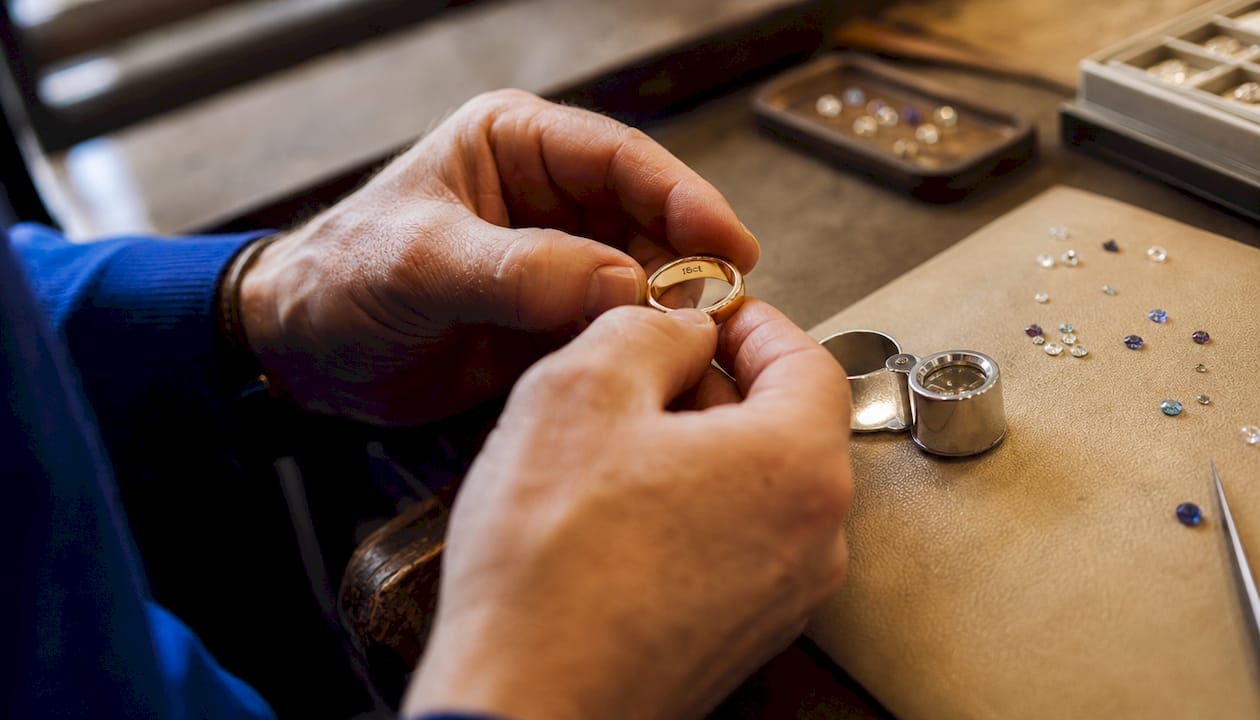
Pro Tip: Check your jewellery for a hallmark before visiting a pawnbroker. In the UK, hallmarks are stamped by one of four Assay Offices (London, Birmingham, Sheffield, or Edinburgh) and confirm metal purity. Bringing any original certificates or valuation documents alongside the piece can meaningfully increase your loan offer.
How do pawnbrokers evaluate jewellery for a loan?
The jewellery evaluation process typically concludes within 20 to 30 minutes, with no credit checks required. That speed is one of the main reasons people choose pawnbroking over personal loans or overdrafts.
The appraisal follows a clear sequence. First, the pawnbroker tests metal purity using acid testing or an electronic XRF analyser. Then they assess any gemstones visually, often with a loupe or microscope. Condition is checked next: scratches, missing stones, and structural damage all reduce the offer. Finally, the broker considers current market demand for that type of piece.
Loan amounts typically range from 20% to 60% of the jewellery’s appraised retail value. That range is wide because it reflects the enormous variation in item quality, metal weight, and market conditions.
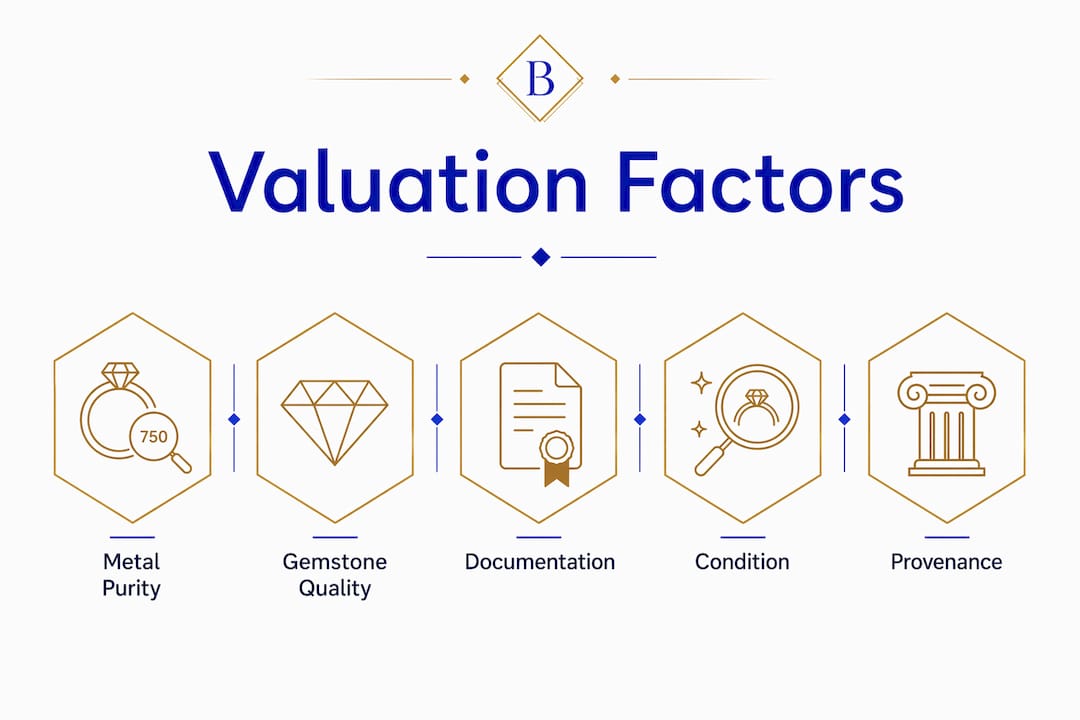
| Valuation factor | Impact on loan offer |
|---|---|
| Metal purity (e.g., 18ct vs 9ct gold) | Higher purity = significantly higher offer |
| Gemstone quality (cut, clarity, carat) | Premium stones increase offer considerably |
| Condition of the piece | Damage or wear reduces offer |
| Brand or provenance | Recognised brands attract premium offers |
| Documentation (certificates, receipts) | Proof of authenticity can raise the offer |
| Current market demand | High-demand items yield better loan-to-value ratios |
Precious metal purity and gemstone quality are the two most significant valuation factors. Everything else is secondary. If you bring in a heavy 18ct gold chain with a GIA-certified diamond pendant, you will receive a very different offer than someone presenting a thin 9ct ring with a small, included stone.
Documentation and provenance genuinely matter. A GIA certificate, original receipt, or independent valuation report gives the pawnbroker confidence in the item’s authenticity. That confidence translates directly into a higher offer.
What are the best jewellery pieces to pawn for maximum value?
High-karat gold and platinum jewellery with diamonds or precious gemstones consistently attract the highest short-term loan offers. This is because their intrinsic value is high and their resale market is active.
The best jewellery to pawn for quick cash includes:
- 18ct or 22ct gold pieces: heavier weight means more metal value
- Platinum rings and bracelets: platinum commands a premium over gold by weight
- Diamond solitaire rings: high demand and easy to resell
- Certified diamond jewellery: GIA or HRD certificates remove valuation doubt
- Luxury branded pieces: pawnbrokers pay premium prices for recognised luxury brands due to immediate resale appeal
Gold has become an especially powerful collateral asset. Gold increased 45% in the past year, hitting over £5,300 per ounce before a slight decline. That price surge means even modest gold pieces now attract meaningfully higher offers than they would have two years ago.
Condition and completeness also play a bigger role than most borrowers realise. Bringing the original box, purchase receipt, and any gemstone certificates can push your offer toward the upper end of the 20%–60% valuation range. A diamond ring in its original Blackwelljewellers presentation box with a certificate is a very different proposition to the same ring in a plastic bag with no paperwork.
Pro Tip: If your jewellery needs a minor repair before pawning, such as a loose stone or a broken clasp, it may be worth having it fixed first. A piece in good working order consistently attracts a better offer than one with obvious damage. Blackwelljewellers offers jewellery repair services that can restore a piece’s condition before you present it for valuation.
What are the risks of pawning jewellery for a short-term loan?
Pawning jewellery is not the same as selling it, but you need to go in with your eyes open. Pawning allows ownership retention via a collateral loan, but it requires clear repayment capability to avoid forfeiture within a typical window of 30 to 90 days.
Here are the key risks and responsibilities to understand before you sign anything:
- Short repayment terms: Most pawn loans run for 30 to 90 days. Miss the deadline and you lose the item.
- Interest rates: Pawnbroking interest rates are higher than standard bank loans. Read the contract carefully before accepting.
- Forfeiture risk: Borrowers must treat pawn contracts as potentially final sales. If you cannot repay, the pawnbroker keeps the jewellery.
- Emotional cost: Pawning a piece with sentimental value, such as a family heirloom or engagement ring, carries real emotional risk if repayment fails.
- Debt cycle risk: Repeated use of pawn loans can lead to a cycle of debt. Financial experts advise pawnbroking should be reserved for urgent, one-off funding needs.
“Pawnbroking is a legitimate and regulated financial tool, but it works best as a short-term bridge for a specific, manageable need. If you are pawning the same ring every month to cover regular expenses, the loan is not solving your problem. It is delaying it.”
The difference between pawning and selling is worth spelling out clearly. When you sell, you receive cash and transfer ownership permanently. When you pawn, you receive a loan and retain the right to reclaim the item by repaying the loan plus interest within the agreed term. Understanding your repayment obligations before you sign is not optional. It is the whole game.
Responsible borrowing means going in with a repayment plan already in place. Know the total amount you will owe, including interest and any fees. Know the exact date by which you must repay. And be honest with yourself about whether you can meet that commitment.
Key takeaways
Gold, platinum, and diamond jewellery with hallmarks and supporting documentation consistently attract the highest pawn loan offers, typically between 20% and 60% of appraised retail value.
| Point | Details |
|---|---|
| Accepted jewellery types | Gold, platinum, silver, and gemstone pieces with hallmarks are routinely accepted for pawn loans. |
| Loan value range | Pawnbrokers offer 20%–60% of appraised retail value, depending on metal purity, condition, and demand. |
| Documentation boosts offers | Certificates, receipts, and original packaging push offers toward the higher end of the valuation range. |
| Pawning is not selling | You retain ownership rights and can reclaim the piece by repaying the loan plus interest within 30–90 days. |
| Responsible borrowing matters | Pawn loans carry high interest and short terms; treat them as one-off solutions, not recurring finance. |
My honest view on pawning jewellery after years in the trade
I have seen a lot of people walk into a pawnbroker with unrealistic expectations. They bring in a gold-plated bracelet and expect a three-figure loan. Or they bring in a genuinely valuable diamond ring and accept the first offer without question. Both mistakes cost money.
The pieces that consistently yield the best offers are heavy gold chains, platinum engagement rings, and certified diamond solitaires. Not because pawnbrokers are being generous, but because those items have a liquid resale market. The broker knows they can move the piece quickly if the loan is not repaid. That confidence is what drives the offer up.
The biggest mistake I see borrowers make is not reading the contract. The interest rate, the repayment date, and the forfeiture terms are all in there. Signing without reading them is like agreeing to a price before you have seen the menu. You can learn how pawnbroking works in detail before you commit, and I strongly recommend doing exactly that.
My other piece of advice: be upfront with the pawnbroker. Tell them what you know about the piece. If you have a certificate, bring it. If you know the metal purity, say so. Transparent communication almost always results in a fairer offer. Pawnbrokers are not adversaries. They are running a business, and a good one will treat you fairly if you treat them honestly.
— James
Blackwelljewellers pawnbroking: fast, fair, and transparent
Blackwelljewellers has offered trusted pawnbroking services for over 20 years across its Kent stores in Maidstone, Gravesend, and Bexleyheath. If you need a short-term loan secured against jewellery, the team provides fast in-store appraisals with cash disbursed the same day.

Every valuation is carried out by experienced jewellers who assess metal purity, gemstone quality, and condition with care. Loan terms are explained clearly before you sign anything, and the team is always happy to answer questions. Whether you are considering pawning a gold ring, a diamond necklace, or a platinum bracelet, Blackwelljewellers offers a professional, no-pressure environment. You can also browse the second-hand jewellery collection if you decide selling outright is a better fit for your situation.
FAQ
What types of jewellery can I pawn for a quick cash loan?
Gold, silver, and platinum jewellery set with genuine gemstones are the most commonly accepted items. Costume jewellery and gold-plated pieces are almost always declined due to their low resale value.
How much will a pawnbroker lend against my jewellery?
Pawn loan offers typically range from 20% to 60% of the jewellery’s appraised retail value. Higher-karat gold, certified diamonds, and luxury branded pieces attract offers toward the upper end of that range.
What happens if I cannot repay my pawn loan?
If you miss the repayment deadline, the pawnbroker keeps the jewellery and sells it to recover the loan. The loan is treated as a final sale at that point, so you lose ownership of the piece.
Does condition affect how much I can borrow against jewellery?
Yes, significantly. Damaged settings, missing stones, and heavy wear all reduce the loan offer. Having a piece repaired before pawning can increase the amount a pawnbroker is willing to lend.
Is pawning jewellery better than selling it?
Pawning preserves your ownership rights and lets you reclaim the piece on repayment. Selling gives you a higher immediate return but transfers ownership permanently. The right choice depends on whether you want the jewellery back and whether you can confidently meet the repayment terms.