

The UK pawn industry is far larger than most people realise, with jewellery as the cornerstone collateral driving a market worth nearly £2 billion. Many assume only damaged or outdated pieces qualify for pawning, but reputable shops actively seek quality gold, silver and gemstone items in excellent condition. Whether you need emergency funds or want to unlock cash from unused jewellery, understanding how pawn shops operate transforms what seems complicated into a straightforward, secure transaction. This guide walks you through every step, from valuation to payout, ensuring you get fair value quickly and safely.
Table of Contents
- Understanding cash for pawn shops: what it means for jewellery owners
- How pawn shop valuation works: maximising your cash payout
- Choosing the right pawn shop: security, authenticity and reputation in the UK
- Preparing and presenting your jewellery: tips for a quick and reliable cash exchange
- Explore reliable options for pawning and selling jewellery in the UK
- Frequently asked questions
Key Takeaways
| Point | Details |
|---|---|
| Jewellery is prime asset | Jewellery forms the backbone of UK pawn shops and offers maximum value as collateral or sale. |
| Reliable valuation steps | You can maximise cash received by understanding and preparing for standard pawn valuation criteria. |
| Choose trusted shops | Selecting regulated, highly-rated pawn shops ensures authenticity, security and the best outcomes. |
| Present jewellery smartly | Proper cleaning and documentation of your jewellery leads to faster, higher payouts. |
| Quick cash possible | Most UK pawn shops deliver same-day cash when you follow recommended steps for presentation and authentication. |
Understanding cash for pawn shops: what it means for jewellery owners
Pawning jewellery means using your items as collateral for a short-term cash loan without permanently parting with them. You receive money immediately, and the shop holds your jewellery securely until you repay the loan plus agreed interest within a set timeframe. If you repay on schedule, you reclaim your items. If not, the shop keeps the jewellery to recover the loan amount.
Selling outright differs entirely. You hand over ownership permanently in exchange for immediate cash, with no repayment obligation or retrieval option. The shop becomes the new owner and can resell your jewellery as part of their authenticated second-hand collection.
Why jewellery dominates UK pawn transactions:
- Intrinsic value: Gold, silver and gemstones hold consistent worth regardless of fashion trends
- Easy authentication: Hallmarks and testing methods verify metal purity and gemstone quality quickly
- Compact storage: Shops can secure valuable items without requiring warehouse space
- Strong resale market: Pre-owned jewellery attracts buyers seeking quality pieces at accessible prices
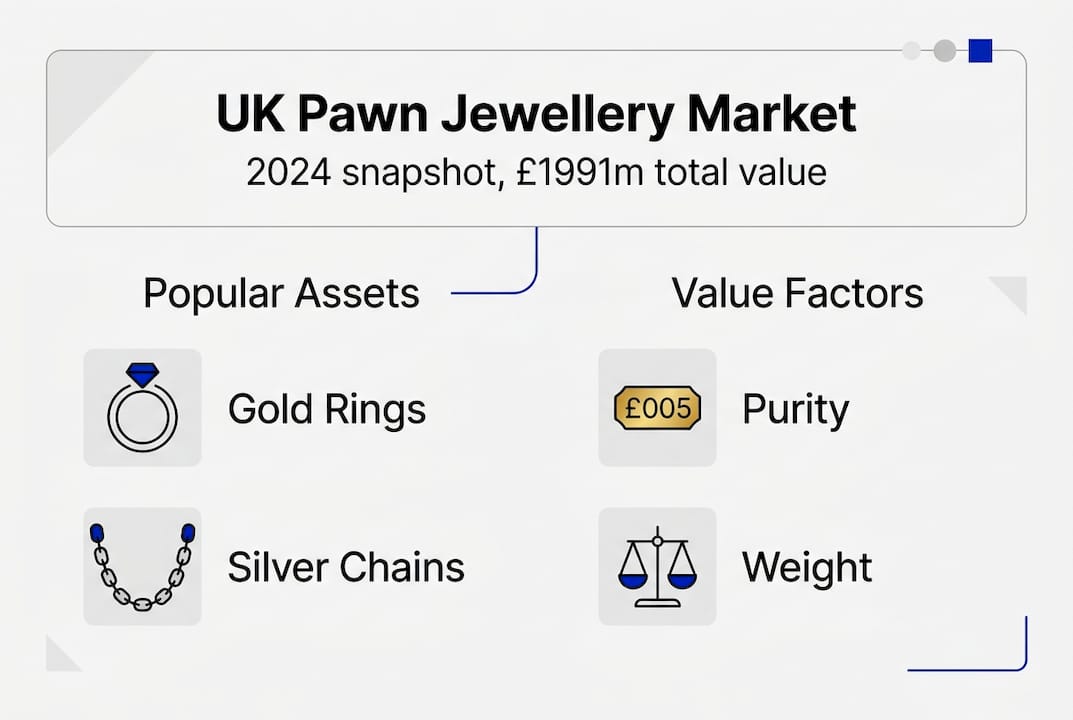
The UK pawn market reached £1991 million in 2024, with jewellery representing the most common collateral type. This scale reflects both consumer trust in established shops and the practical advantages jewellery offers as a liquid asset.
Pro Tip: Before visiting any shop, clarify whether you want a loan or outright sale. Loans require repayment but let you keep your jewellery long-term, whilst sales provide immediate cash without future obligations. Knowing your preference prevents confusion during valuation.
Understanding these fundamentals helps you approach pawn shops confidently, whether you’re exploring cash loans on jewellery or researching the broader pawnbroking guide UK landscape.
How pawn shop valuation works: maximising your cash payout
Pawn shops follow systematic appraisal processes to determine fair cash offers. Understanding these steps helps you prepare items properly and recognise when valuations align with market standards.
The valuation process step by step:
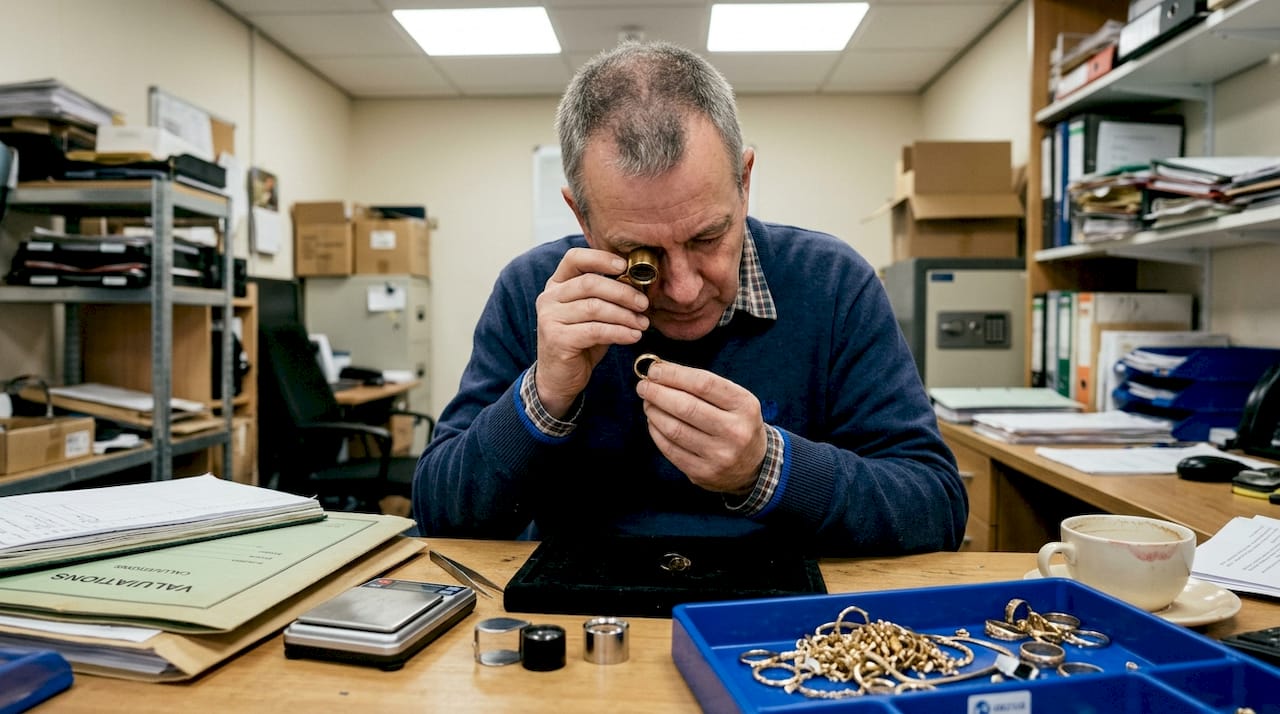
- Initial inspection: Staff examine your jewellery under magnification to identify hallmarks, maker’s marks and visible damage
- Metal testing: Acid tests or electronic analysers confirm gold, silver or platinum purity levels
- Weight measurement: Precise scales determine the exact metal content in grammes
- Gemstone assessment: Trained appraisers evaluate diamond or gemstone quality using industry grading standards
- Market comparison: Current precious metal prices and comparable sales inform the final offer
- Offer presentation: You receive a written valuation explaining the cash amount and reasoning
Several factors influence how much cash you receive. Metal purity matters enormously—18ct gold commands higher prices than 9ct due to greater pure gold content. Weight directly correlates with value, as shops calculate offers based on grammes of precious metal. Brand recognition adds premiums for pieces from established jewellers or luxury houses. Condition affects desirability, with well-maintained items fetching better prices than damaged ones. Rarity creates additional value when your jewellery features unusual designs, antique craftsmanship or limited-edition characteristics.
| Jewellery type | Typical cash range | Key value factors |
|---|---|---|
| 9ct gold ring (5g) | £80-£120 | Weight, purity, condition |
| 18ct gold necklace (15g) | £450-£650 | Weight, craftsmanship, brand |
| Silver bracelet (30g) | £15-£30 | Weight, hallmark, design |
| Diamond pendant (0.5ct) | £200-£800 | Carat, clarity, cut, setting |
| Vintage brooch | £50-£500 | Age, rarity, materials, provenance |
These ranges reflect typical UK market conditions but vary based on individual item characteristics and shop policies. Jewellery valuation follows standard practices across reputable establishments, though offers differ slightly between shops.
Pro Tip: Clean your jewellery gently with appropriate solutions before valuation appointments. Removing dirt and tarnish helps appraisers see true condition and craftsmanship, potentially increasing offers by 10-15%. Bring any certificates of authenticity, original purchase receipts or previous appraisals to support your items’ provenance and quality claims.
Maximising payouts requires preparation and knowledge. Research current gold and silver prices before visiting shops, so you can assess whether offers align with market rates. Consider getting valuations from multiple establishments to compare offers, especially for high-value pieces. Understanding responsible lending for jewellery practices helps you recognise fair treatment, whilst knowing the best place to sell jewellery ensures you choose reputable buyers.
Choosing the right pawn shop: security, authenticity and reputation in the UK
Selecting a trustworthy pawn shop protects both your jewellery and your financial interests. The UK’s regulated pawn industry includes established businesses alongside less scrupulous operators, making due diligence essential.
Recognising regulated and reputable establishments:
- British Pawnbrokers Association membership: Trade body members commit to ethical standards and professional conduct
- FCA registration: Financial Conduct Authority oversight ensures compliance with consumer credit regulations
- Physical premises: Established shops with visible storefronts demonstrate long-term commitment and accountability
- Transparent pricing: Clear explanations of valuation methods, interest rates and redemption terms
- Professional accreditation: Staff qualifications in gemmology, precious metals or jewellery appraisal
Comparing shops systematically reveals which establishments offer the best combination of security, value and service:
| Feature | Reputable shop | Questionable shop |
|---|---|---|
| Authentication process | Detailed testing, written reports | Cursory visual inspection only |
| Valuation transparency | Itemised breakdown, market justification | Vague offers without explanation |
| Security measures | Insured storage, CCTV, secure premises | Minimal security, unclear insurance |
| Payout speed | Same-day cash or bank transfer | Delayed payments, cash-only |
| Customer reviews | Verified testimonials, high ratings | Few reviews, unverified claims |
| Location accessibility | High street presence, multiple branches | Remote locations, temporary premises |
Common pitfalls damage both your immediate payout and long-term trust in the industry. Low-ball valuations exploit customers unfamiliar with current precious metal prices, offering 40-60% below fair market value. Hidden fees erode your cash payout through undisclosed administration charges, storage costs or early redemption penalties. Shops lacking transparency refuse to explain valuation methods or provide written terms, leaving you vulnerable to disputes. Unregulated operators may lack proper insurance, putting your jewellery at risk if theft or damage occurs during storage.
Jewellery transactions drive UK pawn growth, but choosing regulated shops with proven authentication processes remains critical for protecting both your assets and your financial interests in an industry where trust determines long-term success.
Verifying credentials takes minimal time but provides substantial protection. Check the British Pawnbrokers Association website for member listings, confirm FCA registration through the Financial Services Register, and read independent customer reviews on platforms like Trustpilot or Google. Visit shops in person before committing to transactions, observing how staff interact with customers and whether premises appear professional and secure.
Established jewellers offering pawnbroking services often provide superior authentication and valuation compared to shops focused solely on loans. Their expertise in jewellery craftsmanship, gemstone quality and market trends translates into fairer offers and more reliable service. When selling gold for best price, prioritise businesses with demonstrated jewellery knowledge rather than generic pawn operations. Similarly, shops with strong second-hand jewellery recommendations typically offer better authentication and customer service.
Preparing and presenting your jewellery: tips for a quick and reliable cash exchange
Proper preparation accelerates valuations and maximises cash offers. Shops process well-presented items faster and often provide better terms when customers demonstrate care and organisation.
Best jewellery types for pawning or selling:
- Gold items: Rings, necklaces, bracelets and chains in any carat weight
- Silver pieces: Hallmarked sterling silver jewellery, particularly from recognised makers
- Branded jewellery: Pieces from established jewellers or luxury houses command premium prices
- Gemstone items: Diamond, ruby, sapphire and emerald jewellery with verifiable quality
- Antique pieces: Victorian, Edwardian or Art Deco jewellery with historical significance
- Wedding sets: Engagement rings and wedding bands, especially with certification
Jewellery items dominate UK pawn transactions because their value remains stable and authentication processes are well-established across the industry.
Document checklist for maximum value:
- Original purchase receipts showing price paid and retailer details
- Certificates of authenticity for diamonds or gemstones
- Previous professional appraisals from qualified valuers
- Hallmark identification or metal purity documentation
- Provenance records for antique or vintage pieces
- Original packaging or presentation boxes
- Repair or maintenance records demonstrating care
Gathering these documents before your appointment demonstrates professionalism and provides evidence supporting your jewellery’s quality and value. Shops offer higher amounts when they can verify authenticity quickly without extensive testing.
Step-by-step preparation guide:
- Clean gently: Use appropriate cleaning solutions for your jewellery’s materials—warm soapy water for gold, specialised silver polish for sterling pieces, soft brushing for gemstones
- Inspect thoroughly: Check for loose stones, damaged clasps or structural issues that might reduce value
- Organise documentation: Place all certificates, receipts and appraisals in a clear folder for easy reference
- Photograph items: Take clear photos from multiple angles as personal records before leaving home
- Pack securely: Use soft pouches or jewellery boxes to prevent scratching during transport
- Research values: Check current gold and silver prices online to understand baseline expectations
- List questions: Write down any concerns about valuation methods, loan terms or redemption processes
Presentation influences both valuation speed and offer amounts. Clean, well-organised jewellery signals that you’ve maintained items carefully, suggesting better overall condition. Complete documentation reduces the time shops spend verifying authenticity, allowing faster processing and same-day payouts. Professional presentation also establishes you as a knowledgeable customer, discouraging low-ball offers that exploit uninformed sellers.
Timing affects outcomes too. Visit shops during quieter periods—mid-morning on weekdays—when staff can dedicate proper attention to your valuation rather than rushing through assessments. Avoid month-end or holiday periods when shops may have limited cash reserves or higher customer volumes.
Understanding common jewellery types helps you assess which pieces hold greatest value, whilst awareness of current jewellery trends reveals whether your items align with market demand. For precious metal pieces, research selling gold and silver processes to understand standard industry practices.
Explore reliable options for pawning and selling jewellery in the UK
As you prepare to convert your jewellery into cash, partnering with established professionals ensures secure transactions and fair valuations. Reputable businesses combine industry expertise with transparent processes, protecting your interests whilst delivering the quick cash you need.

Blackwell Jewellers operates multiple physical locations across Kent alongside a comprehensive national online platform, offering authenticated pawnbroking services backed by over 20 years of family-run trading. Every transaction benefits from in-house jewellery expertise, with qualified appraisers providing detailed valuations based on current market conditions. Items are stored securely in insured premises, and all loan terms are explained clearly before you commit. Whether you need emergency funds or want to sell pre-owned pieces outright, working with certified professionals delivers both peace of mind and competitive cash offers. Explore your options with a trusted UK pawn shop that prioritises authentication, transparency and customer service.
Frequently asked questions
What types of jewellery are most commonly accepted by UK pawn shops?
Gold and silver items, branded pieces and gemstone jewellery are most favoured due to their enduring value and verification ease. Shops prioritise pieces with clear hallmarks and established market demand.
How long does a cash payout from a pawn shop usually take?
Most UK pawn shops offer same-day payouts once valuation and authentication are completed. Complex appraisals for rare pieces may require additional time for specialist assessment.
Can I get my jewellery back after pawning it?
If you pawn jewellery for a loan, you can reclaim it by repaying the loan and interest within the agreed period. Outright sales are permanent and offer no retrieval option.
Are pawn shop valuations fair and transparent in the UK?
Reputable shops use standard industry criteria and provide transparent appraisal reports. Always request detailed explanations of valuation methods and compare offers from multiple establishments.
Is selling jewellery at a pawn shop safe and legal?
Selling at regulated UK pawn shops is both safe and legal, provided the shop is FCA registered and follows industry standards. Verify credentials before completing transactions.